The Role of Music in Film: An In-Depth Look

By Felix Rowan | Updated June 29, 2026

If you think film music is just decoration, the next bad scene you watch will probably correct you. Music in film is not frosting. It is pacing, pressure, memory, and often the difference between a scene that lands and a scene that wanders around looking for its shoes.

When people search this topic, they usually want the same practical answers: what does a film score actually do, why does one theme stay in your head for years, why do some scenes collapse when the music is removed, and why does the wrong cue make a serious moment feel accidentally comic? The reason to study it is not abstract. Film Independent’s brief history of film music shows how scoring grew from live accompaniment into a central storytelling tool, while Britannica’s overview of film score keeps the definition grounded: the score is the music written or chosen to support the film, not a random playlist with better lighting.

I will keep this direct. Music shapes what a viewer feels, but it also shapes what the viewer thinks they are seeing. A triumphant brass line can make a minor action look epic. A single uneasy note can turn a normal hallway into a threat. That is why the role of music in film matters to editors, directors, composers, and anyone who has ever wondered why a quiet scene suddenly feels important. If you want more related reading on this site, the blog archive collects the music guides, the about page explains the site’s focus, and the contact page is the place to request a follow-up topic or cleaner explanation.

Here is what you will get by the end: clear definitions, a simple map of score types, case studies that show how music changes audience perception, and composer insights that explain why the best scores usually work by restraint rather than by trying to win an argument with the picture.

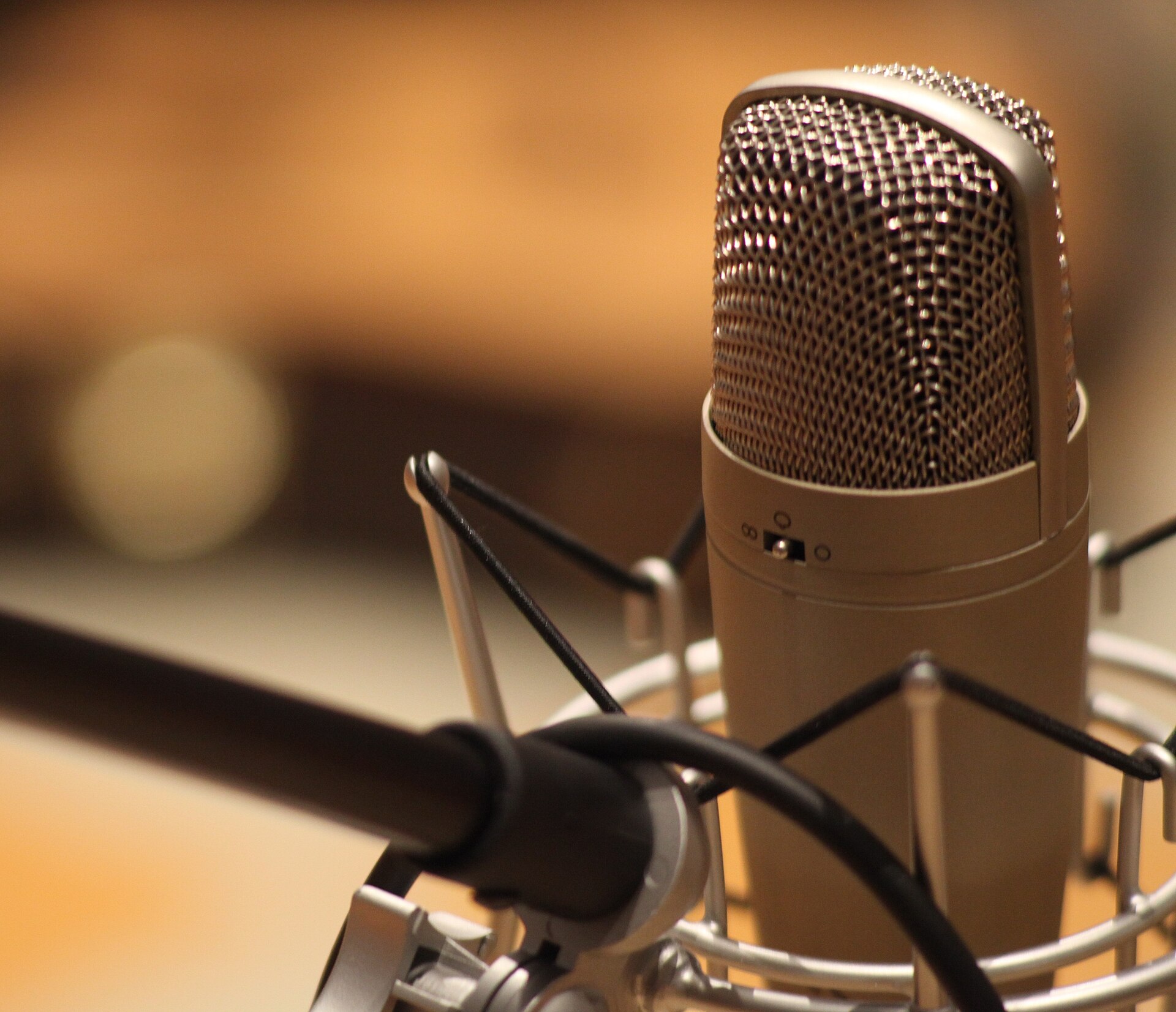
Musicians recording a film score at Air Studios
A score session is where the picture, the conductor, and the clock negotiate their little peace treaty.

Definitions that keep the conversation honest

Film music gets talked about as if everyone already agrees on the vocabulary. They do not. If you mix up the terms, the analysis becomes mush. So I start with the words that matter.

Term Plain meaning Why it matters in a film
Diegetic music Music that exists inside the world of the story and can be heard by the characters. It makes scenes feel lived-in, ironic, or awkward in a useful way.
Non-diegetic music Music heard by the audience but not by the characters. This is the classic score that steers emotion and pace.
Leitmotif A recurring theme tied to a person, idea, place, or force. It helps the audience recognize meaning before the script spells it out.
Underscore Background music that sits under dialogue or action. It supports tone without dragging attention away from the scene.
Cue One specific entry or passage of music. Editors and composers use cues to time emotional shifts precisely.
Temp track A placeholder track used during editing before the final score exists. Useful in production, dangerous if the whole film starts worshipping it.
Source scoring A blend of diegetic and non-diegetic music. It lets a film move between realism and emphasis without announcing the trick.

The clearest public explanation of this split is still the one film editors use every day. The diegetic music page does the obvious job well: if the character can hear it, it is diegetic; if only the audience hears it, it is not. That sounds simple until a film decides to blur the line on purpose, which is where the interesting work begins.

How music changes what a film means

Here is the blunt version: music is one of the few tools that can tell the viewer how to feel before the dialogue catches up. It can also tell the viewer what kind of scene they are in. A dialogue exchange about a school reunion becomes something else when the music turns brittle. A chase scene becomes either heroic, absurd, or exhausting depending on the cue, and that is not a small detail. It is the emotional operating system.

That is why the best film music does at least one of four jobs. It can confirm what the image already suggests. It can contradict the image and create irony. It can extend a feeling that the image only starts. Or it can withhold emotion until the exact frame where the film needs a jolt. Good composers do not just write melodies. They manage expectations, which is a less glamorous job and more useful than glamour, as usual.

The history matters too. Early cinema depended on live accompaniment. As Film Independent notes in its history of film music, once synchronized sound became practical, the score stopped being an optional garnish and became part of the film’s storytelling machinery. That change is why modern viewers now hear a scene as incomplete when the music is removed. The brain gets lazy in the most expensive way possible: it starts expecting the score to carry half the scene.

Music also works through memory. A theme does not need to explain itself in the moment if it has already been planted earlier. This is why recurring motifs are so effective. They are not just catchy. They are bookkeeping. The audience does not always notice it, but the theme tells the mind, “You have seen this threat before,” or “This person matters,” or “This place will not stay safe.”

Types of film scores and musical functions

The phrase “film music” covers several different jobs. The category sounds neat. The practice is messy. That is normal. Films are built from compromises, not museum labels.

1. Symphonic or orchestral score

This is the familiar Hollywood model: strings, brass, woodwinds, percussion, and a theme that wants to make your shoulders sit up straighter. It is often used for blockbusters, adventure films, fantasy, historical drama, and anything that needs scale. The orchestral score is useful because it can move from intimate to enormous without changing language. It speaks in volume, color, and rhythm, not just in notes.

2. Minimalist score

Minimalist scores use fewer notes, fewer moving parts, and often more space. That does not mean they are weak. It means they are less interested in impressing you than in occupying your nervous system. Bernard Herrmann understood this very well. So did later composers who realized that silence and restraint can create more tension than a choir trying to earn a standing ovation.

3. Source music and needle drops

Source music is music that exists inside the story world. Needles drops are pre-existing songs dropped into scenes for identity, irony, nostalgia, or shock. When used well, both can make a film feel culturally specific. When used badly, they make a film feel like it was edited by someone who found a streaming playlist and panicked.

4. Leitmotif-driven scoring

This is the method most viewers recognize even if they do not know the term. A specific theme follows a character, object, or idea, so the audience hears narrative relationships before the script verbalizes them. Britannica’s film score overview is useful here because it keeps reminding readers that scores are not random sound design. They are structured narrative signals.

5. Hybrid scoring

Modern films often combine orchestra, electronics, percussion loops, sound design, and songs. This is where the old purity tests become silly. A good film does not care whether the cue was built from violins, synths, or three hundred carefully edited handclaps. It cares whether the cue solves the scene.

Here is a compact summary:

Score type Main job Best known effect
Orchestral Scale and sweep Makes the story feel larger than the frame
Minimalist Tension and restraint Makes small changes feel dangerous
Source music World-building Makes the scene feel inhabited
Leitmotif-driven Memory and identity Links people and ideas across the film
Hybrid Flexibility Combines emotional tools instead of choosing one religion

Case studies of iconic soundtracks

Examples matter because theory can start sounding noble while being wrong. The following films show that music does not merely decorate the image. It edits the viewer’s response in real time.

Star Wars: how a theme creates a universe

The Star Wars soundtrack is the obvious case study because it is one of the rare scores that escaped the film and became a public cultural object. That is not just because the music is catchy. It is because John Williams gave the franchise a vocabulary. The opening fanfare does not merely say “adventure.” It says “this world has rules, history, and moral weight.”

The Berklee article John Williams and the Music of Star Wars is useful because it points to the neoclassical approach behind that sound. Williams blends the old Hollywood language of leitmotifs, orchestral color, and heroic phrasing, then bends it toward the needs of modern blockbuster storytelling. In plain English: he uses the orchestra like a narrative filing system. The audience hears a theme and instantly knows where to put the emotion.

The cantina sequence also gives a clean example of diegetic music. The band is literally in the scene. The characters can hear it. The audience can hear it. The story lets the music exist as part of the world before the score later steps in to take over the emotional steering wheel. That shift is one of the cleanest demonstrations of how film music can move between realism and myth without breaking the film’s internal logic.

The result is not subtle, and that is the point. Star Wars needed a sound large enough to hold space opera, family drama, political decay, and toy merchandising without collapsing under the weight of its own seriousness. Williams did not solve that by being quiet. He solved it by making the music memorable enough to carry identity. The films have many moving parts, but the score gives them a spine.

Titanic: when a love story needs scale

The Titanic soundtrack shows a different job. James Horner’s score does not build a galaxy. It builds feeling across disaster. The film needs romance, class tension, historical scale, and catastrophe. That is a lot to ask from one musical language, so Horner uses melody and texture to keep the emotional threads connected even as the ship and everyone on it move toward the obvious bad ending.

The famous song My Heart Will Go On matters because it extends the score into the public ear. A film theme that crosses into pop culture changes the memory of the movie itself. People remember the song, then the scene, then the emotional shape of the story. The song becomes a souvenir with better marketing than most films manage in a year.

What makes Titanic important is not just the song’s success. It is the way the score keeps the romance from floating away from the disaster. The music repeatedly reminds the audience that this is not a disaster film with a love subplot. It is a love story being crushed by a disaster. That distinction matters. Without the score, the film risks becoming a very expensive sequence of logistics. With it, the film feels like loss.

Horner also uses repetition wisely. He does not hit the viewer over the head with a single emotional hammer. He reintroduces material in slightly different contexts so the audience feels continuity across the film’s tonal shifts. That is the real lesson: a score does not need to be loud to be effective. It needs to be dependable.

Psycho: when less music means more fear

Psycho remains one of the clearest examples of music doing brutal narrative work with almost no ornament. Bernard Herrmann’s shrieking string writing is famous because it refuses comfort. The music does not soothe the audience before the famous shower scene. It attacks the scene. That is a useful distinction. Herrmann is not decorating violence; he is making panic audible.

This is where the popular idea of “good music” gets exposed as too polite. A score does not have to be pretty. It has to fit the film’s emotional math. In Psycho, the strings are so sharp because the scene needs not elegance but alarm. The cue does not ask for sympathy. It creates a reflex.

Film Independent’s history of film music points out how influential Herrmann became in the golden age of scoring. That influence is easy to hear here. The film proves that a score can create meaning through texture alone. You do not need a sweeping melody if the scene only needs a warning siren dressed as music.

Taken together, these three case studies cover the main range: myth-making in Star Wars, emotional continuity in Titanic, and tension manufacture in Psycho. Those are different jobs, but they are all still the same profession. Music helps the film say what the picture alone would otherwise struggle to say clearly.

What composers actually seem to be doing

Most public discussion of film composers makes the job sound mystical. It is not. The useful version is more practical and less glamorous: the composer is solving storytelling problems with sound. That means timing, restraint, theme, contrast, and collaboration.

In an interview with John Williams at Symphony.org, the through line is not self-promotion. It is collaboration and orchestral craft. Williams comes across as someone who understands that a score must be built around the picture and the musicians who will perform it. That is the right attitude, because the film does not care whether the composer had a good weekend. It cares whether the cue lands on time.

That same principle shows up in the way modern composers work across orchestral and electronic language. The Berklee discussion of Star Wars helps explain why leitmotif remains useful even in a more hybrid era. The method survives because the viewer still needs orientation. A theme is not nostalgia. It is a shortcut through narrative complexity.

Hans Zimmer’s career is the other useful clue. Whether he is working in The Lion King, Dune, or Interstellar, the point is not that the music is loud and therefore profound. The point is that timbre, rhythm, and repetition can carry emotional authority even when the score steps away from old symphonic comfort. The old model said orchestra first. The modern model says story first, and then use whatever sound gets the job done without pretending the audience asked for an instrument museum.

Here is the practical lesson from composers, stripped of perfume:

  • Write to the scene, not to the spotlight.
  • Use repetition as memory, not filler.
  • Let silence work when it is stronger than music.
  • Separate the audience’s emotion from the characters’ world when that contrast helps the story.
  • Do not confuse a memorable cue with a useful cue.

That last one matters more than it sounds. Plenty of cues are memorable because they are huge. Far fewer are memorable because they are perfectly placed. The latter is harder. The former just needs a bigger knob.

A practical way to listen for the score

If you want to understand film music instead of just noticing it, watch the scene twice. The first time, let the music do whatever it wants. The second time, try these checks:

  1. Ask what the cue changes. Does it raise tension, soften a cut, speed the scene up, or slow the viewer down?
  2. Separate diegetic from non-diegetic music. Is the sound part of the story world or only part of the audience experience?
  3. Listen for repeated motifs. When a theme returns, what has changed around it?
  4. Notice when the music stops. Silence is not an absence; it is a decision.
  5. Check whether the cue agrees with the image. If it contradicts the image, what kind of irony or tension is it creating?

This is the point at which many viewers realize they have been giving the score too little credit. A good film score does not sit there waiting to be admired. It works the edges of the scene until the viewer starts believing the whole thing was inevitable. That is what the best film music does: it makes design look like fate.

For readers who want to keep going, the blog archive contains more music-focused guides, and the contact page is open if you want a future article that goes deeper into soundtracks, music supervision, or how songs get chosen for films.

Conclusion

Music in film is not a side dish. It is one of the mechanisms that tells the viewer what the image means, how quickly to feel it, and how long to remember it. Sometimes the score confirms the obvious. Sometimes it rescues a flat scene. Sometimes it turns an ordinary image into a cultural artifact. The job varies. The effect does not.

When I look at the best examples, three rules keep returning. First, the music has to serve the story. Second, the cue has to be placed with some actual intelligence, which is rarer than it should be. Third, the score has to know when to stop talking. Films do not need musical noise. They need musical judgment.

If you want the short version, keep these points in mind:

  • Music increases emotional engagement by shaping expectation.
  • Iconic soundtracks can define a film’s legacy long after release.
  • Diegetic, non-diegetic, leitmotif-driven, and hybrid scores serve different narrative jobs.
  • Composer interviews keep showing the same fact: the score works best when it serves the picture instead of auditioning for applause.

So the next time a scene hits harder than you expected, do the boring diagnostic thing first: listen to the music. The culprit is often sitting right there in the soundtrack, doing the work the dialogue pretended to do alone.

Posted in Uncategorized

A Guide to Music Festivals: What to Expect and How to Prepare

Big music festivals are fun, but the difference between a great weekend and a long, sticky one usually comes down to planning.

What time should you arrive? What do you actually need to pack? How do you keep your place in a crowd without turning the day into a scavenger hunt for water, shade, and a phone charger? And, perhaps most important, how do you leave room for the music instead of spending the whole day solving avoidable problems?

“Music is the shorthand of emotion.”

Leo Tolstoy

That is the spirit of a good festival day: the music should do the heavy lifting, while your preparation quietly handles the rest. If you want a sensible place to start, I suggest reading the basics on outdoor heat safety from the CDC’s extreme heat guidance and the practical heat tips from the National Weather Service. Those two pages cover the kind of conditions that can turn a breezy day into a much longer one than planned.

In this guide, I will walk through what to expect at a music festival, how to pack without overpacking, how to move through crowds with less stress, and how to enjoy the performances without burning out by mid-afternoon. I will also translate the festival lingo so you do not have to pretend you already know what “GA” means while you are clutching a paper map and a granola bar.

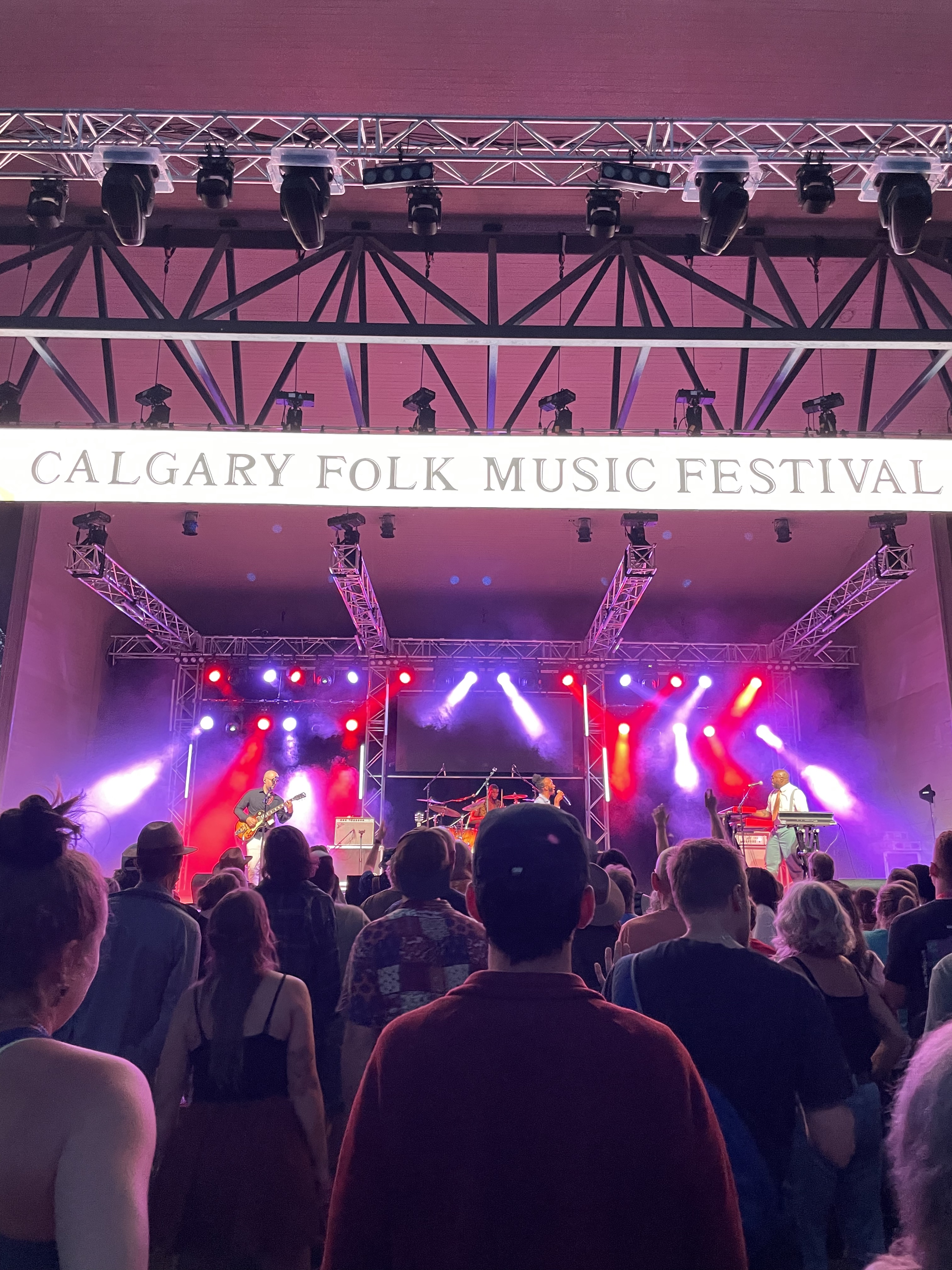
A crowd at an outdoor music festival watching the main stage
A packed crowd is a reminder to plan for heat, water, and clear meet-up points before the music starts.

What a festival weekend usually feels like

Popular music festivals come in a few familiar shapes. Some are one-day city events with a handful of stages. Others are full weekend destinations with camping, shuttle buses, late-night sets, and enough food stalls to make your usual lunch decision process look very dignified by comparison. The scale matters because your plan should match the scale.

A small festival may let you arrive close to showtime, keep a compact bag, and walk between stages in minutes. A larger event often needs earlier arrival, a more careful schedule, and more attention to the basics: water, shade, shoes that will not punish you after hour four, and a meeting point if your group drifts apart. The right festival is not the one with the loudest poster. It is the one whose pace fits how you like to spend a day outside.

I like to think of a festival as a small temporary city that happens to have a soundtrack. That means it comes with city-like needs: directions, rest stops, food, toilets, transport, and a rough sense of timing. Once you accept that, the day becomes easier to plan and much easier to enjoy.

One-day events vs. full weekend festivals

Here is a simple way to compare them.

Festival type What it usually means Best approach
One-day city festival Shorter line-up, tighter schedule, less gear Pack light, arrive on time, and pick your must-see acts early
Weekend destination festival Multiple stages, long days, possible camping or shuttle travel Plan for heat, rest, backup power, and a slower pace
Genre-specific festival Highly focused audience and set list style Study the schedule so you can move between stages without rushing
Local neighborhood festival Smaller crowds and simpler logistics Use it as a gentle first festival if you are new to the scene

That last category is often the best starting point. You get the feeling of a festival without immediately enrolling in the advanced course called “four stages, one parking lot, and a blistering sun.”

Festival terms worth knowing before you go

Festival language can be surprisingly casual for something that affects your entire day. A few terms are worth learning before you leave home:

Term Plain meaning
GA General admission, usually the standard entry area without special access
Set time The scheduled time an artist is expected to perform
Stage The area where a performance happens; big festivals may have several
Vendor village The food, merch, and service area where you buy things and take a break
Shuttle Shared transport between parking, hotels, transit points, or the venue
Hydration station A refill point for water bottles or cups
Bag policy The venue rules about what size and type of bag you can bring in

Before you change anything else in your plan, read the venue rules. I mean that literally. A cheerful festival bag can become a very expensive storage problem if it does not match the policy.

If you want one more practical reference, the Red Cross heat-wave safety tips are useful because they focus on the sort of plain decisions people actually have to make: when to rest, when to cool down, and how to keep an eye on warning signs.

What to pack before you leave

The simplest packing rule is this: bring what makes your day safer, drier, and less annoying. You do not need to pack for a survival film. You do need to pack for sun, noise, lines, and long walks between stages.

The NIOSH guidance on noise and hearing loss is worth reading if you are tempted to treat earplugs as optional. Loud music can be part of the joy of a festival, but your ears should not have to file a complaint after the encore.

A festival-day packing list

  • Ticket or wristband confirmation so entry does not become a scavenger hunt.
  • Government ID if the venue or age-restricted areas require it.
  • Phone and charger, preferably with a power bank if the event allows it.
  • Reusable water bottle if permitted, so hydration is not tied to buying another plastic bottle every hour.
  • Cash and card, because some vendors are flexible and some are not.
  • Sun protection such as sunscreen, sunglasses, and a hat.
  • Ear protection, ideally filtered plugs for longer sets.
  • Light layer or rain shell for weather that cannot decide what it wants to do.
  • Comfortable shoes that can handle standing, walking, and a little dust.
  • Small personal items like tissues, pain reliever if appropriate for you, and any medications you need.
  • Compact snack if the rules allow it, because hunger has a way of making every line feel philosophical.

The important part is not the number of items. It is the tradeoff. Every item should earn its place by solving a real problem. If a thing does not protect you from heat, noise, thirst, hunger, or a dead phone, leave it behind.

A simple pack-by-priority order

  1. Entry essentials: ticket, ID, phone.
  2. Safety essentials: water, sun protection, earplugs, meds.
  3. Comfort essentials: shoes, layer, snacks, charger.
  4. Convenience extras: wipes, small cash, portable seat if allowed.

If you are traveling, add your transport details, hotel confirmation, and a backup way to reach your group. Festivals are not the place to discover that your battery life is optimistic by design.

How to handle crowds, heat, and timing

This is where festivals become less about the poster and more about the choreography. Once the crowds thicken, the experience depends on small decisions: when you arrive, where you rest, how you move, and whether you are willing to sit down for ten minutes before you need the break.

Arrive with a plan, not just hope

Look at the map before you leave. Find the main entrance, water stations, bathrooms, shade, first aid, and the two or three stages that matter most to you. If your group is splitting up for different sets, choose a meeting point that is easy to describe and hard to miss. “Under the giant inflatable banana near Stage B” may sound funny in the moment, but simple landmarks work better than vibes.

I also recommend deciding on one thing you will not do. For example: you will not run across the venue for an act you barely know while skipping water and lunch. That is how a day becomes a cautionary tale.

Use the weather as part of the schedule

Heat is not a side note. It is part of the event. The National Weather Service heat safety guidance is useful because it reminds you to think about timing, shade, and rest before you are already overheated. Start with the afternoon sun in mind. If the biggest act is late in the day, use the early hours to wander, eat, and settle in instead of sprinting from stage to stage.

If the forecast changes, adjust the plan. A little rain does not have to ruin the day, but a soaked shirt, slippery path, and cold wind can drain your energy fast. Carry what the venue allows, and make sure your group knows where to regroup if the weather gets messy.

Watch the crowd, not just the stage

Some people love the rail. Some prefer a few rows back where the view is still good and the breathing is easier. Neither choice is better in the abstract. The better choice is the one that keeps you comfortable enough to stay present.

  • If you want a full-stage view, stay a little back and avoid the crush near the front.
  • If you want photos, take a few, then put the phone away and watch the set.
  • If you need a break, step out early rather than waiting until you are already uncomfortable.
  • If your group is large, split attendance between must-see acts so nobody feels dragged around all day.

One small but powerful habit: keep your water bottle, wallet, and phone in the same place every time you use them. In a crowd, consistency beats cleverness.

Know when to pause

Good festival days have rest built into them. Sit down between sets. Eat before you are starving. Find shade before the heat starts punishing you for underestimating the sun. If you are feeling lightheaded, unusually tired, or confused, stop and get help. That is not overreacting. That is good judgment doing its job.

For a calm checklist of what to look for when heat starts becoming a problem, the Red Cross heat safety page above is a useful reset button. It is practical in exactly the way festival advice should be.

How to enjoy the performances without burning out

The best festival memory is usually not “I stood in one exact spot for nine hours and proved something.” It is a set of good choices that let you enjoy the music without paying for it the next day.

Pick your priorities early

Make a short list of the acts you care most about. Then decide which ones are non-negotiable and which ones are “nice if the day works out.” That distinction helps you stay flexible. Festivals reward people who can adapt when set times shift, a line runs long, or a friend needs to recharge.

Do not try to make every performance the headline. That is a quick route to fatigue. Leave space for discovery. The fun of a festival is that you might wander into a set you did not plan for and leave with a new favorite song, or at least a story that sounds better with each retelling.

Balance energy and attention

Three habits make a big difference:

  • Pace your movement. Walk between stages instead of power-walking like the schedule owes you money.
  • Choose your standing position wisely. Near the front is exciting; a little back is often more sustainable.
  • Keep the phone use intentional. A few photos are fine. Spending half the set on the camera screen is a tradeoff, not a victory.

If you are with friends, agree on a loose rule before the show starts. For example, everyone gets the first few songs near the stage, then the group drifts to a more comfortable spot. Small agreements prevent large amounts of unspoken frustration.

Use the festival’s own tools

Most festivals publish maps, lineups, bag rules, and set-time updates. Use them. Read them before you go, and check them again on the day. A ten-minute scan can save an hour of confusion. If you want a real-world example of how a major event organizes its public information, the official Coachella site is a useful model for how schedules, policies, and practical details can live in one place. This is also where the little planning details matter most: a shuttle timetable, a late food vendor, a quiet area, or a water refill point can change how the whole day feels.

If the festival has an app, great. If not, a saved screenshot of the map and lineup is enough to keep your battery from doing all the work.

Remember the ears

Festival audio is supposed to be powerful. It is not supposed to leave you with a ringing souvenir. That is why I keep returning to the NIOSH noise guidance. Earplugs are a small item that buy a large amount of comfort. They are especially useful if you plan to stay near the stage for multiple acts or if you know you are sensitive to loud sound.

You do not have to choose between loving the music and protecting your hearing. That is a false choice, and one that your future self would like to decline politely.

Conclusion: start small, then scale up

If this is your first festival, my practical recommendation is simple: begin with a smaller event, pack with the weather in mind, and give yourself permission to rest. A festival should feel exciting, not like a test you did not register for. Once you learn how you handle the pace, crowd size, and daylight, it gets much easier to pick the right event next time.

For readers who want more practical reading, the blog index is a good place to keep going, the About page explains the site’s purpose, and the Contact page is there if you want to send feedback or ask a question. That is the neat part of a good plan: it leaves room for the music and for the next sensible step.

Festival day, at its best, is just a series of manageable decisions made early. If you know the terms, pack the right things, respect the heat, and give yourself breathing room between sets, you will have a much better chance of leaving with sore feet, a full camera roll, and a happy memory instead of a cautionary tale.

Which kind of festival should you try first?

If you are choosing your first event, I would start with the simplest version that still sounds exciting. A local day festival gives you the atmosphere without the overnight logistics. A genre-specific festival gives you focused music and a clear audience vibe. A big destination weekend is best saved for when you already know how you handle long days, heat, and lots of walking. That is not a limitation. It is just good sequencing.

There is also a quiet benefit to starting small: once you understand what drains you, what energizes you, and what helps you reset, festival planning becomes much easier. You stop packing for an imaginary person and start packing for the actual day in front of you. That is usually when the whole thing gets more fun.

  • Know the lineup and the map before you arrive.
  • Pack for heat, noise, water, and long walks.
  • Choose a pace you can actually keep.
  • Use rest, shade, and hearing protection without apology.
  • Leave room for a surprise set or two.
Posted in Uncategorized

The Rise of Independent Artists in the Digital Age

The biggest change in modern music is not simply that artists can upload songs. It is that they can build a career without waiting for permission.

When I look at independent music now, three questions keep repeating themselves: how do artists get heard, how do they get paid, and how do they stay visible after the first burst of attention fades? What happens when the gatekeeper is no longer a label but a feed, a playlist, or an algorithm? And which careers actually survive that transition?

The evidence says the shift is real. The IFPI Global Music Report 2026 says global recorded music revenues reached $31.7 billion in 2025, with streaming still doing most of the heavy lifting, while MIDiA Research estimates that non-major artists and labels represented 46.7% of the market on an ownership basis in 2023. That combination matters. It means the audience has widened, but the economics are still uneven.

The useful takeaway is simple: digital platforms did not remove the need for craft, taste, or persistence. They changed the route to an audience. Artists can now move from a bedroom demo to a global listener base without asking for a label first. The hard part, as ever, is turning visibility into durable income.

I keep coming back to a line from singer-songwriter Ayanna Witter-Johnson, quoted in The Guardian’s streaming debate coverage: “The current split of income is unfair, dangerous and needs to change.” That is not an argument against digital distribution. It is a reminder that access and sustainability are not the same thing.

In this article, I’ll map the current independent scene, show how streaming, social platforms, and direct-to-fan tools support it, look at a few success stories, and then step through the limits that still shape most indie careers. If you want more music coverage, you can also browse the blog index, read the site’s About page, or send a note through the Contact page.

What “Independent” Means Now

Independent music used to be a simple label. An artist was either signed to a major company or working outside it. That older split still matters, but the modern version is messier. An artist can be independent in one part of the business and partnered in another. They may use a distributor for digital delivery, a publisher for administration, a booking agent for live work, and still keep control of the masters or the release schedule.

That is why the term now covers a wider set of working models:

  • Self-releasing artists who upload music directly through distributors.
  • Label-service artists who keep more control but buy specific support services.
  • Direct-to-fan artists who sell music, merch, memberships, and tickets without a middle layer.
  • Artist-entrepreneurs who treat release strategy, audience data, and community building as part of the job.

That broader definition matters because the digital age rewards flexibility. A vocalist with a small but loyal audience may never look like a chart act, but they can still build a workable career if the business model fits the audience.

Three terms help make sense of the discussion:

Term Plain meaning Why it matters
DSP Digital service provider such as Spotify, Apple Music, or YouTube Music. These platforms are now the main discovery layer for many listeners.
Direct-to-fan Selling music or memberships directly to listeners through services like Bandcamp. It usually produces better margins than pure streaming.
Algorithmic discovery Recommendations generated from listening behavior and engagement patterns. It can introduce artists to listeners they would never reach by touring alone.
Sync Licensing music for film, television, games, advertising, and online video. For many independent artists, one sync placement can matter more than months of streaming.

How Digital Platforms Support Indie Artists

Digital platforms support independent artists in four main ways: discovery, distribution, monetization, and feedback. Each one solves a different problem, and each one has a limit. That is why no serious indie strategy depends on only one channel.

1. Streaming creates reach

Streaming services are now the default place where a lot of listeners start. That does not mean listeners are loyal to a service. It means the service is often the first search engine for music. IFPI’s 2026 report shows that streaming remains the dominant force in recorded music revenue, and Spotify’s own personalization team says discovery is built into the product rather than treated as a side feature. In other words, the platform is not just a store. It is a recommendation machine.

That has two consequences. First, an independent song can travel far faster than it could in the CD era. Second, the artist has to think about metadata, release timing, save rates, and follow-up content almost as carefully as the music itself. A good song without clear metadata can still disappear. A good catalog with steady engagement can keep compounding.

Spotify’s Fresh Finds program is a useful example. Spotify says the playlists have launched over 70,000 emerging independent artists over the past decade, and that nearly 70% of Fresh Finds streams in 2024 represented first-time discovery. That is not a guarantee of stardom, but it is evidence that discovery systems can still move new names into the room.

2. Social media shortens the path to attention

Short-form video, live clips, snippets, and behind-the-scenes posts have become a second stage for music promotion. For independent artists, social platforms matter because they can compress the old “press cycle” into a few decisive hours. A chorus hook, rehearsal clip, or acoustic take can test whether a track has an audience before the full release lands.

The danger is that social media rewards frequency and immediacy more than depth. A song can go viral for the wrong reason. A creator can become trapped in a cycle of making content about the song instead of making songs. Still, the upside is real: social platforms give artists a way to show process, not just product. That can matter for audiences who want a person, not just a file.

3. Direct-to-fan platforms improve the economics

This is where the business model changes most sharply. On Bandcamp, fans do not just listen; they buy. Bandcamp says it has paid artists and their labels $1.75 billion, and that fans spent $222 million in the past year alone on digital albums, tracks, vinyl, CDs, cassettes, and merch. Bandcamp also says artists or labels receive an average of 82% of the money from a sale. That is a very different margin profile from pure streaming.

That difference is why direct-to-fan strategy still matters. For an independent artist, one hundred committed listeners who buy releases and merch can be more useful than ten thousand passive streamers. The economics are not glamorous, but they are often more stable.

Bandcamp’s own artist page is blunt about the logic: artists should be able to sell music and merch to a community that actually knows their name. That sounds obvious until you compare it with platform models that reward volume more than intent.

4. Crowdfunding and memberships turn fans into patrons

Patreon-style membership models, crowdfunding campaigns, and direct fan subscriptions have revived an older idea: the audience can underwrite the work before it exists. That does not mean every artist should ask fans to become patrons. It means sustainable careers often blend earned income with direct support.

This approach works best when artists are already clear about what their supporters are funding. New music? Early access? Vinyl pressing costs? Tour travel? Studio time? The more concrete the promise, the easier it is to explain why support matters. Vague “support the music” appeals usually underperform because they ask for trust without a visible exchange.

Platform comparison

Channel Main strength Main weakness Best use case
Streaming Mass reach and discovery Low per-stream revenue and intense competition Audience building and catalog growth
Social media Fast attention and human context Algorithm volatility Release campaigns and fan communication
Bandcamp / direct sales Better economics and ownership of customer relationships Smaller audience ceiling Niche genres, loyal communities, merch sales
Crowdfunding / memberships Recurring support Requires trust and regular updates Artists with a dedicated core audience
Live shows High-intent revenue and fan loyalty Touring costs and logistics Artists who can convert listeners into attendees

Success Stories of Independent Musicians

“Success story” can mean several things here. Sometimes it means chart performance. Sometimes it means a career that stays independent while becoming financially viable. Sometimes it means an artist building an audience that can support the next project. The most useful case studies show strategy, not just fame.

Chance the Rapper and the value of self-release

Chance the Rapper remains one of the clearest examples of a modern independent breakthrough. He built momentum through free mixtapes, direct fan attention, streaming-era discovery, and live performance rather than a conventional label roll-out. His path matters because it showed that an artist could build enough cultural weight to win mainstream recognition while staying outside the old release structure.

That does not mean his route is easy to copy. His level of visibility is rare. But the lesson is durable: if an artist can create repeatable demand, the format of the release matters less than the relationship with the audience. The audience does not care whether the project came through a label pipeline if the music keeps delivering.

Bandcamp and the direct-to-fan economy

Bandcamp is not a single artist, of course, but it is one of the best examples of an independent music business ecosystem doing real work. The site says fans have paid artists and their labels $1.75 billion, and that more than $222 million changed hands in the last year alone. That does not make Bandcamp a magic answer. It does show that direct commerce can still support a wide range of independent acts, especially when the audience is small but serious.

For many artists, this is the real middle ground between hobby and stardom. A modest fan base that buys records, shirts, and special editions can fund the next recording cycle. That model scales differently from streaming. It is narrower, but often healthier.

Spotify Fresh Finds and the algorithmic launchpad

Spotify’s Fresh Finds program shows another route: platform-based discovery that gives small acts a chance to move into bigger audiences. Spotify says Fresh Finds has launched over 70,000 emerging independent artists, and nearly 70% of its 2024 streams represented first-time discovery. That is a substantial reminder that algorithms are not only gatekeepers. Used well, they can also act as accelerators.

The catch is obvious. Artists do not control the recommendation system. That means they have to build around it rather than depend on it. A strong catalog, consistent releases, and clear audience signals help. So does a direct relationship with listeners outside the platform, because algorithms change and careers should not evaporate when a playlist does.

A practical lesson from the success stories

The common thread across these examples is not luck. It is fit. Each artist or platform found a model that matched the audience’s habits and the artist’s working style. Some careers lean on streaming. Others rely on direct sales. Others use a hybrid of live shows, social clips, email lists, and niche communities. The successful independent artist usually understands that music is both art and distribution design.

The Guardian’s streaming debate coverage captured the frustration well, but the bigger lesson is more practical than polemical: independent artists need more than exposure. They need a path from attention to income.

“The current split of income is unfair, dangerous and needs to change.”

Ayanna Witter-Johnson, quoted in The Guardian

“Personalization is really a two-way street.”

Oskar Stål, Spotify Vice President of Personalization, via Spotify Newsroom

Challenges Faced by Indie Artists

The digital age lowered barriers to entry, but it also widened the field. That sounds democratic until you notice how much more crowded the room has become. More releases do not automatically create more income. Often they create more competition for the same limited attention.

Market saturation

There are simply more songs, more clips, more playlists, more accounts, and more advice than any one artist can absorb. The result is that many listeners discover music casually but commit to very little. A stream is not a fan, and a follower is not a customer. That distinction matters because algorithms often measure engagement more readily than commitment.

Financial instability

The economics remain uneven. Streaming can produce reach without much money. Social media can produce interest without much conversion. Touring can produce revenue but also expose an artist to logistical costs that eat the margin. Even direct-to-fan income can be spiky, because a strong release month is not the same thing as recurring revenue.

This is the core tension of independent music in 2026: the tools are better, but the burden of combining them has shifted onto the artist. The job is no longer just to write and record. It is also to market, analyze, and maintain.

Copyright, metadata, and rights management

Independent artists also inherit administrative responsibilities that used to be handled by labels. They need correct metadata, splits, publishing registrations, sample clearance where relevant, and a basic understanding of neighboring rights. A release with broken metadata can be invisible to the systems that are supposed to surface it. Copyright problems can also block monetization or delay payouts. None of this is glamorous. All of it is real.

Platform dependence

There is a reason many artists try to keep their audience on an email list, a website, or a direct sales page. Platform dependence creates exposure to policy changes, feed changes, pricing changes, and discoverability shifts that no artist controls. A good platform strategy therefore includes escape hatches: a mailing list, a website, a direct store, and a repeatable live presence.

What to watch for

  • Over-reliance on one platform for all discovery.
  • Under-investment in fan contact data and email ownership.
  • Release plans that ignore merch, sync, or live revenue.
  • Weak metadata that blocks correct royalty routing.
  • Burnout caused by trying to be a full-time artist and full-time marketer at once.

Future Outlook for Independent Music

The future is unlikely to return to a simple major-label-versus-independent split. The more likely outcome is a hybrid system in which artists use a mix of distribution, direct sales, short-form video, live performance, and community platforms. That is already the operating model for many successful acts, even if they do not describe it that way.

1. Emerging tools will lower production costs

AI-assisted editing, mastering, clip generation, fan segmentation, and release planning tools will continue to reduce the cost of making and promoting music. The upside is obvious: small teams can do more. The risk is equally obvious: everyone else gets the same tools, which means the advantage quickly shifts from access to taste and execution. In that world, the best artists are not the ones who use every tool. They are the ones who use the right few tools consistently.

2. Listener behavior will keep fragmenting

Audiences are increasingly organized around scenes, moods, micro-genres, and creator identity rather than broad radio-style categories. That favors independent artists, because niche work can travel farther than it used to. A listener who wants ambient jazz, bedroom pop, regional rap, or experimental folk can now find it instantly. But fragmentation also means fewer shared watercooler moments. Careers may become more sustainable in a niche, but less universal in the cultural sense.

3. Labels will evolve rather than disappear

The role of labels is changing from gatekeeper to service layer, partner, and risk manager. For some artists, that will still be the right deal. Marketing scale, editorial access, radio support, global logistics, and financing can still matter a great deal. But the label relationship is less likely to be the only path to release. Independent artists increasingly arrive at the label table with an audience already built.

4. The strongest artists will think in systems

The next generation of independent careers will probably be defined less by one breakthrough moment than by systems: a release cadence, a content rhythm, a merchandise strategy, a live strategy, and a fan-retention habit. That is not a romantic answer, but it is a realistic one. A system can survive a bad algorithm day. A campaign can be rebuilt. A relationship with listeners can be maintained if it was built honestly in the first place.

Spotify’s personalization team described discovery as helping listeners find more music and creators reach more audiences. That is true, but incomplete. Discovery only becomes a career when it is paired with retention. The artist has to turn a passing listener into someone who returns on purpose.

Conclusion: What the Rise of Independent Artists Really Means

Independent artists are not a side story anymore. They are one of the main stories in modern music. Digital platforms have democratized distribution, widened discovery, and given artists more control over timing and audience building. At the same time, they have made the business more crowded, more data-driven, and more fragile.

The best way to read the current moment is not as a victory lap and not as a warning label. It is a tradeoff. The internet made it possible for more artists to be heard, but it did not erase the need for audience strategy, financial discipline, or rights management. If anything, it made those skills more important.

Key points to remember:

  • Digital platforms have made music distribution more open than it has ever been.
  • Independent artists can reach global audiences without traditional gatekeepers.
  • Direct-to-fan models can improve margins and strengthen loyalty.
  • Streaming and social media create opportunity, but not stable income by default.
  • The future likely belongs to artists who combine creativity with systems thinking.

If you want more articles like this, start with the blog index, learn more about the site on About, or use Contact if you have a correction, question, or idea worth following up.

Posted in Uncategorized

Understanding Music Licensing: What You Need to Know

By Theo Marlowe | Updated June 20, 2026

Music licensing is the plumbing of the music business: invisible when it works, expensive when it does not, and strangely capable of turning a simple creative idea into a spreadsheet with feelings.

Most readers land on this topic with the same cluster of questions:

  • What does a music license actually give you permission to do?
  • Why are there several different licenses for what seems like one song?
  • Which licenses matter for downloads, videos, livestreams, and public use?
  • How do artists and businesses request permission without wandering into copyright trouble by accident?

The answer starts with a simple but easy-to-miss fact: a song is not just one right. The U.S. Copyright Office and the Mechanical Licensing Collective both frame music rights around distinct uses, owners, and payment paths. That is why the same track can require one permission for a download, another for a film placement, and another for a public performance. The structure is not elegant, but it is learnable once you stop treating “music rights” as one giant mystery box.

This guide breaks the system into plain English. You will learn what music licensing means, how the main license types differ, why licensing matters so much to artists, and how to request permission with fewer wrong turns. If you want more digital music context after this article, the blog archive collects related guides, while the about page and contact page explain the site and provide a contact path for follow-up topics.

Recording studio microphone, headphones, and digital sheet music on a stand
Recording sessions may feel creative first, but every song also carries a rights structure that affects how it can be copied, performed, distributed, and reused. Photo by Audio Mix House, licensed CC BY 2.0 via Wikimedia Commons.

Terminology That Keeps the System Straight

Before looking at license types, it helps to name the moving parts clearly. Licensing gets confusing when people use one word to describe three different things.

  • Composition: the underlying song itself, including melody and lyrics.
  • Master recording: the specific recorded version of that song.
  • Licensor: the person or company granting permission.
  • Licensee: the person or company receiving permission.
  • Royalty: the payment tied to the licensed use.
  • Territory: the geographic area where the permission applies.
  • Term: how long the permission lasts.
  • Scope of use: what you are allowed to do, such as download, stream, reproduce, sync to video, or perform publicly.

The most useful mental model is this: one song often has at least two copyright layers, the composition and the master. If your use touches both, you may need permission from both. This is the part that surprises people who assumed one email to one person would finish the job. It rarely does.

What Is Music Licensing?

Music licensing is the legal permission to use music in a specific way, under specific conditions, for a specific period of time. The permission may come directly from a songwriter, publisher, label, or rightsholder, or it may be administered through a collecting society or licensing organization.

At a practical level, licensing answers four questions:

  1. What music is being used?
  2. Which rights are involved?
  3. Who controls those rights?
  4. What are the permitted uses, limits, and payments?

That is why licensing matters to both creators and users. For artists, it protects the value of the work and creates a path to payment. For listeners, filmmakers, app teams, venues, podcasters, brands, and download platforms, it creates a lawful way to use music without guessing. Copyright law is not famous for its bedside manner, but it is very clear about one point: using music without the right permission can create real liability even when the use feels informal, flattering, or “small.”

Consider three quick examples:

  • A fan buying a permanent MP3 download triggers a different rights path than someone streaming the same song.
  • A wedding videographer placing a commercial track under a recap film usually needs synchronization permission for the composition and often a master use license for the recording.
  • A coffee shop playing background music for customers is dealing with public performance rights, even if nobody in the room is treating the playlist like an event.

The song may be the same. The use is not. Licensing follows the use.

Types of Music Licenses

The easiest way to avoid confusion is to map each license to the job it performs. Here is the plain-language version.

License type What it covers Who usually grants it Simple example
Mechanical license Reproducing and distributing a composition in audio form Publisher, administrator, or mechanical licensing agent Releasing a cover song as a download or stream
Synchronization license Pairing a composition with visual media Publisher or songwriter rights holder Using a song in a YouTube video, film, or ad
Public performance license Performing or transmitting the composition in public Performance rights organizations or rightsholders Playing music in a venue, restaurant, radio station, or livestream
Master use license Using a specific sound recording Record label or master owner Licensing the original recording for a documentary trailer

Mechanical licenses

A mechanical license covers the right to reproduce and distribute the underlying composition in audio-only formats. Historically this meant physical copies such as vinyl or CDs. Today it also matters for digital downloads and certain streaming uses. If you are recording and releasing a cover song, this is one of the first licenses that enters the room.

Example: a singer records a new version of an existing pop song and wants to sell it as a download. They are not borrowing the original master recording, but they are still using someone else’s composition. That means they need a mechanical path for the composition rights.

This is one reason the mechanical side of the business exists at all. The artist making the cover created a new recording, but the songwriter still owns the song underneath it. Different layer, different permission.

Synchronization licenses

A synchronization license, usually shortened to sync license, covers the right to pair a composition with visual media. Think film, television, ads, trailers, social videos, game content, or branded explainers. If music meets moving images, sync is usually part of the conversation.

Example: a fitness studio wants to use a popular track in a promotional Instagram reel. The music is not being sold as a standalone download, and the issue is not public performance alone. The track is being attached to a video asset, so sync rights come into play.

Sync licensing often involves negotiation because the value depends heavily on context: how prominent the song is, how long it is used, whether the campaign is local or global, and whether the content is commercial or editorial. This is the point where “can we just use thirty seconds?” stops sounding clever and starts sounding expensive.

Public performance licenses

A public performance license covers the right to perform or transmit the composition publicly. This can apply to live venues, bars, restaurants, stores, radio, television, some digital services, and other contexts where music is played to the public rather than consumed privately.

Example: a cafe streams a playlist for customers all day. The owner is not manufacturing CDs and is not syncing songs to a video. The relevant issue is that the music is being performed publicly in a commercial environment.

In the United States, these rights are often administered through performance rights organizations such as ASCAP, BMI, and SESAC. GMR also matters in the U.S. market, and equivalent organizations operate internationally. The key idea is simple: the venue or service usually needs permission for the public use of the composition, even if the song was lawfully purchased elsewhere.

Master use licenses

A master use license covers the right to use a specific recording. This matters when you want the original version that people recognize, not just the underlying composition. If sync is about marrying the song to visuals, the master license is about which recording gets invited to the ceremony.

Example: a documentary producer wants the exact album version of a famous song in the closing credits. A sync license from the publisher may still be required for the composition, but the producer also needs permission from whoever owns the master recording, often a label.

This distinction explains why licensing original hit recordings can be complex. Two approvals are often needed: one for the song, one for the recording. If either side says no, the deal is not done.

Why Licensing Matters for Artists

Artists do not care about licensing because paperwork is inherently thrilling. They care because the license controls who gets paid, how the work is used, and whether the music retains any meaningful boundaries after release.

It protects intellectual property

A license turns vague ownership into actionable permission. Without that framework, songs can be copied, packaged, uploaded, or monetized by third parties with little accountability. Licensing is one of the main ways copyright becomes operational rather than theoretical.

For songwriters in particular, this matters because the composition can travel far beyond the original recording. Covers, arrangements, performances, and audiovisual uses can all generate value. Licensing helps track those uses and establishes who has the right to authorize them.

It creates revenue streams

Licensing is not just about preventing misuse. It is also a structured revenue engine. Mechanical royalties, performance royalties, sync fees, master fees, and neighboring-rights income all depend on the rights system being organized well enough to identify the use and pay the correct party.

That revenue may be uneven, but it matters. A track can earn from downloads, streams, background use in a television episode, venue performances, or a one-off video placement. Each use case has its own economics. The license is the switch that turns a use into a payable event.

It gives artists some control over context

Artists and rightsholders may care deeply about where a song appears. A sentimental ballad in a memorial film is one thing. The same track in an ad campaign for a product the artist dislikes is another. Licensing lets rightsholders approve, reject, limit, or price uses based on context.

This is especially important for sync work. Placement is not only about money; it is also about association, tone, and audience meaning. Once a song is tied to a visual story or brand, the connection can be sticky.

It keeps the metadata and splits from collapsing into chaos

Many licensing problems are not dramatic acts of theft. They are messy administrative failures: wrong writer splits, missing publishing data, unidentified master owners, unclear territories, or conflicting claims. Those issues slow payments, create disputes, and make licensing harder than it needs to be.

From the artist side, good rights administration is boring in the way that accounting and backup systems are boring. Which is to say: absolutely critical, especially after something breaks.

How to Obtain Music Licenses

The practical workflow is less mystical than it looks from the outside. Most licensing requests fail because the requester starts with the wrong right, the wrong party, or the wrong level of detail.

1. Identify the exact use

Start by describing what you want to do in plain terms. Are you releasing a cover song as a download? Using music in a podcast intro? Posting a brand film on YouTube and paid social? Playing songs in a storefront? The answer determines which license category applies.

Be specific about format, platform, geography, audience, and duration. “We want to use a track online” is too vague to price or approve. “We want thirty seconds of the chorus in a U.S.-only product video running for twelve months on our site and YouTube” is far more workable.

2. Separate the composition from the recording

Ask whether you are using the song, the recording, or both. If you are creating your own recording of an existing song, composition rights may be enough. If you want the original charting recording, you are likely dealing with both composition and master rights.

This step prevents a common mistake: getting one permission and assuming it covers everything. It usually does not.

3. Find the rightsholders or administrators

Once you know the use, track down the people or organizations that control the relevant rights. Depending on the situation, that may include songwriters, publishers, labels, distributors, estates, or collection societies. For some mechanical uses in the United States, organizations like the Mechanical Licensing Collective help route part of that process. For performance rights, PROs handle a large share of routine licensing for public use. For sync and master deals, direct negotiation with publishers and labels is often required.

If the rights information is incomplete, the job becomes research. That is normal. Frustrating, but normal.

4. Send a usable request

A good request includes the song title, writer or performer if known, the exact excerpt or full use, the media format, whether the use is commercial or noncommercial, the territory, the term, the budget range, and the release timeline. If the use is audiovisual, include a description of the project and where the music appears.

Practical rule: ask as if the person on the other side should be able to price the deal without guessing what you mean. Vague requests create slow replies because they force the licensor to do your scoping work for you.

5. Get the terms in writing

Once the rightsholder approves the use, confirm the scope in writing. That means the rights granted, the media covered, any exclusivity, the payment structure, credit requirements, reporting obligations, and termination terms where relevant. Email trails can help, but formal agreements are better when the use is commercial or widely distributed.

If the answer is “approved for Instagram organic only,” do not quietly reinterpret that as “all digital worldwide.” Licensing language has a habit of meaning what it says.

6. Keep records after launch

Store the agreement, invoice, proof of payment, and usage notes in one place. That matters later if a platform flags the content, a distributor asks for proof, or the team forgets what rights were actually cleared. Rights management is partly legal and partly operational hygiene.

Common Pitfalls to Avoid

Most licensing trouble comes from avoidable assumptions. The usual offenders are predictable.

  • Assuming a purchase equals broad reuse rights: buying a download or subscription does not automatically authorize public, commercial, or synced use.
  • Confusing credit with permission: attribution can be required, but credit alone does not replace a license.
  • Ignoring master rights: clearing the composition is not enough if you also want the original recording.
  • Skipping territory and term limits: many licenses are narrower than users expect.
  • Relying on platform myths: “it is on social media already” is not a license category.
  • Using “royalty-free” as a magic phrase: it usually means the pricing model is simplified, not that all uses are unlimited forever.

One more nuance matters for download culture: not every freely available file is licensed for redistribution, remixing, or commercial reuse. Some music is legitimately available for personal listening only. Some is offered under open terms. Some is not authorized at all. The interface rarely explains this as clearly as it should.

Conclusion and Useful Resources

Music licensing is best understood as a matching system. Match the use to the right. Match the right to the owner. Match the owner to a written permission path. Once that structure is visible, the subject stops feeling mysterious and starts feeling procedural.

The key takeaways are straightforward:

  • Music licensing is the permission framework that makes lawful use possible for both creators and users.
  • Different uses trigger different licenses, especially when composition and master rights split apart.
  • Licensing matters because it protects artists, creates revenue, and gives rightsholders control over context.
  • The fastest route to a clean license is a specific request, sent to the correct rights holder, with the scope defined clearly.

If you work with openly licensed material, the Creative Commons license guide is a useful reference for understanding what different reuse permissions actually allow. If your use involves advertising, film, games, broadcast, or international distribution, it is worth confirming the rights path carefully before release. Music is emotional. Licensing is structural. Both matter, and only one of them usually sends follow-up invoices.

Posted in Uncategorized

The Impact of Streaming Services on Music Downloads

By Rowan Ellis | Updated June 17, 2026

Streaming did not kill music downloads in a single dramatic moment. It changed the default listening habit so thoroughly that downloading moved from the center of everyday music use to a narrower role built around ownership, support, and specific use cases.

Readers usually come to this topic with a cluster of related questions:

  • Did streaming replace downloads because it was cheaper, or because it was simply easier?
  • Why do downloads still exist if most listeners now press play instead of buying files?
  • How do artists benefit from streaming compared with download sales?
  • What is the useful takeaway for listeners who still care about ownership and for artists who still want direct support?

The available evidence points in one direction. Industry tracking from IFPI and the RIAA sales database shows that streaming became the dominant commercial model because it bundled convenience, access, and discovery into one habit. At the same time, policy work such as the U.S. Copyright Office overview of the Music Modernization Act makes clear that the shift was not only about listeners. It also changed the way royalties are tracked, pooled, and distributed. Context matters here: downloads did not disappear because music files stopped working. They became less central because a subscription library solved more problems for more people, more often.

In this article, I want to separate the slogans from the pattern. You will find a plain-language overview of how streaming services changed listening behavior, a comparison of streaming and download models, a source-aware look at what annual music-industry reporting keeps showing, a grounded section on artist perspectives, and a practical conclusion about where music downloads still matter. If you want more context after this piece, the blog archive collects the site’s broader music guides, while the about page and contact page cover the site’s focus and request path.

Person listening to music on a smartphone with wired headphones
Streaming won much of the everyday listening market by turning the phone into a permanent music library. Photo by Vu Hoang, licensed CC BY 2.0 via Wikimedia Commons.

Terminology That Helps

Before comparing models, it helps to keep a few terms straight.

  • Music streaming service: a platform that delivers tracks on demand over the internet rather than requiring a permanent local purchase. If you want a neutral overview of the concept, the music streaming service entry is a useful starting reference.
  • Digital download: a permanent file transfer, often called “download to own,” where the listener purchases or saves a track or album as a file. The broader background on the term is covered in the digital download overview.
  • Subscription streaming: paid access to a large catalog for a recurring fee.
  • Ad-supported streaming: free or lower-cost listening supported by advertising, usually with feature limits.
  • Ownership: practical control over a copy of the file. This matters when a track disappears from a catalog, an account lapses, or a listener wants offline access without platform dependence.
  • Discovery layer: the recommendation engines, playlists, and social prompts that help listeners find what to play next.

That last term is where a great deal of the change happened. Downloads and streams can deliver the same song, but they do not deliver the same surrounding experience. Streaming wrapped the song inside search, recommendation, curation, playlists, and instant cross-device access. Downloads generally asked the listener to do more of the organizing work alone.

How Streaming Services Changed the Default Listening Habit

Early digital music culture was built around files. Listeners bought tracks, ripped CDs, organized folders, and synced libraries to devices. That model made sense when broadband was slower, storage mattered more, and the normal expectation was that your music collection lived with you because you had assembled it.

Streaming changed the bargain. Instead of asking, “Which file should I buy and store?” it asked, “Why own the file at all if almost everything is available immediately?” That question landed because it removed friction at several points at once.

1. Access became more valuable than possession for many listeners

A subscription library is hard to compete with on pure convenience. A listener can search for an artist, move to a collaboration track, jump to a live version, save it to a playlist, and continue on another device a few minutes later. Streaming turned breadth of access into the core product. Downloads, by contrast, require a decision before the listening starts: buy this album, save these files, organize them somewhere, and maintain the collection over time.

2. Discovery became part of the product, not a separate task

Downloads work best when the listener already knows what they want. Streaming platforms are stronger when the listener knows only the mood, the era, or the starting artist. Editorial playlists, autoplay, release radar features, and collaborative playlists blurred the line between music library and music guide. That is not a trivial feature upgrade. It changed the reason people opened music apps in the first place.

3. Mobile listening favored instant catalogs

As smartphones became the primary listening device for many users, large cloud libraries and on-demand playback became more natural than maintaining a file collection manually. Even offline listening in streaming apps often feels closer to “temporary convenience” than to true ownership. For everyday use, that difference is often acceptable to listeners until a song vanishes from a catalog or a subscription ends.

4. Streaming normalized continuous listening rather than deliberate purchase

Downloads often involve choice, payment, and commitment. Streaming encourages low-friction sampling. A listener can play one song, skip after forty seconds, try a remix, move to a related artist, and never think of the action as a purchase at all. The result is a different rhythm of music use: more breadth, more trial, and usually less attachment to the idea of maintaining a personal file library.

If I reduce the shift to one sentence, it is this: streaming made music feel ambient, infinite, and always available, while downloads continued to feel transactional and finite. That is why the two formats stopped competing on equal terms.

Streaming vs. Downloads: The Tradeoff in Plain View

The easiest way to understand the impact is to stop treating one model as morally better and ask what each model actually does well.

Dimension Streaming services Music downloads
Primary value Fast access to a massive catalog Permanent access to specific tracks or albums
Listener mindset Explore, sample, playlist, repeat Choose, buy, store, keep
Discovery Built into the platform experience Usually happens elsewhere first
Offline access Available, but tied to account and platform rules Available as owned files under user control
Typical payment flow Recurring subscription or ad-supported listening One-time purchase per track or album
Artist revenue pattern Usage-based and volume-driven over time Larger per-purchase event, but less frequent
Main weakness No guarantee that access stays unchanged forever Less convenience for casual discovery and cross-device listening

That table explains why streaming rose so quickly. It does not have to outperform downloads at every single point. It only has to win the daily-use battle for the typical listener. In practice, it did.

Where streaming clearly wins

  • Catalog scale: one payment can open access to an enormous library.
  • Ease of use: fewer file-management tasks, less manual syncing, less storage anxiety.
  • Recommendation systems: listeners discover music without leaving the platform.
  • Shared context: playlists, social links, charts, and algorithmic suggestions keep listeners engaged.

Where downloads still have a serious case

  • Ownership and control: the file remains available regardless of subscription changes.
  • Support intent: some fans prefer a direct purchase because it feels clearer and more immediate.
  • Niche collections: DJs, collectors, archivally minded listeners, and fans of unavailable catalog items still rely on files.
  • Platform independence: purchased files can often be moved, backed up, and used outside a single service environment.

The useful takeaway is not that one model “won” in every sense. Streaming won the mainstream convenience contest. Downloads retained value where permanence, direct support, and control matter more than frictionless access.

What the Annual Music Data Keeps Showing

Because this is an evergreen article, the most careful approach is to focus on patterns that hold across multiple years of reporting rather than chase one quarter’s headline. The available evidence from trade groups and policy summaries is consistent enough to support a few plain conclusions.

Pattern 1: Streaming became the dominant revenue engine

Annual reporting from IFPI and RIAA repeatedly frames streaming as the largest part of recorded-music revenue. Subscription services, ad-supported tiers, and platform-based listening became the main commercial center of gravity. In other words, the economic story followed the behavioral story. Once listeners moved toward access over ownership, revenue followed that habit.

Pattern 2: Downloads moved from mainstream default to smaller legacy segment

Permanent downloads did not vanish overnight. They gradually became a less central line item in annual revenue snapshots. That distinction matters. A shrinking format can still be useful, profitable in specific contexts, and important to certain fan behaviors. But it no longer defines how the broad market listens.

Pattern 3: Consumption and ownership stopped meaning the same thing

In the download era, listening and purchase were often linked. In the streaming era, heavy listening does not necessarily mean repeated transactions. A fan can stream the same album for months without buying a copy. That changes how labels, artists, and platforms think about lifetime value, fan retention, and release strategy.

Signal from industry reporting What it usually means in practice Why it matters
Streaming is the largest revenue bucket Listeners treat access as the normal mode of use Release strategy is built around visibility and repeat listening
Downloads hold a smaller share Ownership is now a narrower audience need Download stores serve enthusiasts, collectors, and direct-support buyers
Royalty frameworks keep evolving The business model is still adjusting to platform-era distribution Artist compensation debates remain active and unresolved

This is where caution helps. I would avoid pretending that one chart can explain the whole industry. The global market, the U.S. market, niche genres, direct-to-fan sales, and artist income all move on partially different tracks. Still, the broad relationship is stable enough to say plainly: streaming expanded music consumption while reducing the centrality of the single paid download.

Artist Perspectives: Reach, Revenue, and Friction

Artist views on streaming are often mixed for reasons that make sense once you separate audience reach from payout structure.

Streaming can widen reach

For newer or independent artists, streaming lowers the barrier to being heard. Listeners can sample a track without making a purchase decision first. Playlists and recommendation systems can place an artist in front of people who would never have searched for them directly. That matters for discovery, especially in crowded markets.

But streaming pay is usually cumulative, not immediate

A download purchase is a clear event. A fan buys the album; the support feels concrete. Streaming revenue is typically granular and ongoing, distributed across very large numbers of listens and filtered through contractual realities, rights splits, and platform rules. That difference shapes how artists talk about the model. A song can be broadly heard and still produce a financial outcome that feels thin when compared with the effort required to make, market, and sustain the work.

Direct support still matters

This is one reason downloads, digital purchases, vinyl, merch, and ticket sales still matter in artist strategy. Even when streaming drives discovery, direct transactions can remain important because they create clearer support events. A fan might discover an artist through streaming, follow them on a platform, and later decide to buy an album, a deluxe file bundle, or a concert ticket. Streaming is often the top of the funnel, not the whole relationship.

Release strategies changed with the format

Under a download-heavy model, a release week sale could feel like the central milestone. Under streaming, artists and labels often think more about sustained listening, playlist placement, repeat engagement, and keeping a catalog active over time. That can favor steady release cadence, alternative versions, short-form promotional clips, and catalog optimization in ways that would have felt less central in a store-led download market.

None of this means artists speak with one voice. Major acts, niche independents, soundtrack composers, and fan-supported communities do not experience platform economics the same way. What we can say is that streaming changed the balance: wider access and potentially wider reach on one side, more debate about payout fairness and dependence on platform logic on the other.

Why Downloads Still Matter, Even After the Shift

A format does not need to be dominant to remain useful. Downloads still matter in at least five practical situations.

  1. Ownership-minded listeners: some people simply want a file they can keep, back up, and play without subscription risk.
  2. Collector behavior: fans may buy downloads as part of a fuller support pattern that also includes merch or physical releases.
  3. Offline reliability: travelers, field workers, or listeners with unstable connections may prefer fully owned local files.
  4. Niche and direct-to-fan ecosystems: certain scenes still treat downloads as a meaningful support channel.
  5. Catalog volatility: tracks can move between services, disappear temporarily, or vary by territory. Ownership reduces that uncertainty.

A simple example helps. Imagine a listener who streams an artist every week but decides to buy one album because it is a personal favorite, because they want a lossless copy, or because they want to support the artist more directly. That is not nostalgia. It is a rational response to the limits of platform-based access.

This is the part the “streaming replaced downloads” shorthand misses. Streaming replaced downloads as the default mass behavior. It did not erase the reasons people buy music files.

What the Future Probably Looks Like

The future of music downloads is unlikely to be a return to the early digital-store peak. Too much of the listening infrastructure now depends on subscriptions, recommendations, connected devices, and platform ecosystems. For the average listener, streaming is the path of least resistance, and habits built around convenience are stubborn.

What seems more likely is a continued split:

  • Streaming remains the mass-market listening layer.
  • Downloads persist as a support, ownership, and specialist format.
  • Artist strategies keep blending platform reach with more direct fan relationships.
  • Policy and royalty debates continue because the platform model is commercially dominant but still contested.

That split is not a failure of downloads. It is a sign that formats often narrow into their strongest use case once a more convenient general-purpose option becomes dominant. We saw related patterns in other media categories too: access models tend to absorb casual usage first, while ownership survives where reliability, permanence, and control still matter.

Final Takeaways

The question is not whether streaming “ended” downloading in an absolute sense. The better question is what role each format now plays.

  • Streaming changed listening from file ownership to on-demand access.
  • Downloads lost their mainstream default position because streaming solved convenience and discovery more effectively.
  • Artist perspectives remain mixed because reach improved while payout debates intensified.
  • Downloads still matter where ownership, backup, direct support, and niche catalog access matter.

If you are researching the space further, the most useful next step is to read the annual industry summaries rather than rely on one loud headline. The pattern becomes clearer over time: streaming reshaped the center of music consumption, but downloads still hold value where listeners and artists need more control than a rented catalog can offer.

Posted in Uncategorized

How to Create the Perfect Playlist: Tips and Tricks

A good playlist feels effortless when you press play, but the work happens before that moment: choosing a purpose, picking songs that actually belong together, and arranging them so the whole thing moves instead of lurching around like a shopping cart with one bad wheel.

Most people come to playlist-building with a short list of very normal questions:

  • How do you make a playlist feel cohesive without making every song sound the same?
  • How many tracks are enough for a workout, dinner party, commute, or weekend reset?
  • Should you start with your favorite songs or with the mood you want to create?
  • What makes one playlist fun to share while another quietly gets skipped after two songs?

The short answer is that great playlists are built on intention. You are not just collecting songs you like. You are shaping a listening experience for a person, a room, or a moment. Streaming platforms such as Spotify’s playlist tools make the mechanics easy, but the curation part still depends on taste, pacing, and context. That curating instinct has a long history too. If you want the plain-language background, the idea of sequencing songs for a mood sits very close to the older tradition of the mixtape and the broader concept of a playlist.

In this guide, I will walk through the practical side: how to understand your audience, choose a theme, pick the right songs, arrange them for flow, and share the finished result without overthinking every transition for three business days. If you want more music guides after this one, the blog archive is the next stop. If you want to know what this site covers more broadly, take a quick look at the about page or use the contact page to suggest another playlist topic.

Studio microphone set up for recording and playlist curation
A simple playlist theme gets easier to build when you picture the setting, the listener, and the energy arc before you add tracks.

What Makes a Playlist Work?

A playlist works when the songs feel connected by a clear purpose. That purpose can be practical, like staying focused while you work, or emotional, like building a nostalgic set for a reunion. Either way, the listener should feel that the songs belong in the same room together.

That does not mean every track needs to sound identical. In fact, a little contrast usually helps. The real goal is consistency of intent. A rainy-evening playlist can handle a tempo change. What it cannot really survive is a sudden leap from soft indie folk to gym-floor EDM unless the joke is intentional.

1. Understanding Your Audience

The first question is not “What songs do I love?” It is “Who is this for?” Sometimes the answer is easy because the playlist is for you. Sometimes it is for a party, a road trip, a wedding shower, a study group, or that one friend who says, “Play anything,” and somehow means “Please read my mind.”

Start with the occasion

Think about what the music needs to do.

  • Workout playlist: steady momentum, recognizable beats, not too many long quiet intros.
  • Dinner playlist: good atmosphere, moderate energy, enough variety to avoid feeling like one long elevator ride.
  • Commute playlist: fast emotional payoff, a few favorites near the top, and probably fewer eight-minute mood pieces.
  • Relaxation playlist: gentler pacing, fewer abrupt shifts, and less lyrical chaos if the goal is actual calm.

Think about the listeners, not just the songs

Age matters sometimes, but familiarity matters more. A mixed-age family gathering may go over better with cross-generational crowd-pleasers than with a deep dive into your most personal synth-pop discoveries. That does not mean the playlist has to become bland. It means you should know when the room wants sing-alongs and when it wants background texture.

Collect light feedback before you build

If the playlist is for a shared event, ask for a few anchor songs in advance. Three good suggestions from other people can save you from making a playlist that accidentally sounds like a private diary with better bass response.

Scenario What the audience usually wants What to avoid
House party Recognizable hooks, steady energy, songs people can talk over or sing along to Too many slow ballads in the middle stretch
Focus session Predictable pacing, low distraction, fewer lyrical spikes Tracks that demand full attention every thirty seconds
Road trip Big choruses, tempo variety, a few surprise favorites A front-loaded playlist that peaks in minute ten
Wind-down evening Warm mood, smooth transitions, comfortable length One random song that sounds like a caffeine commercial

2. Choosing a Theme or Mood

Once you know who the playlist is for, choose the theme. Themes are useful because they narrow your choices. Instead of asking whether a song is “good,” you ask whether it fits this mood.

Pick one central feeling

Try to describe the playlist in a short phrase rather than a vague genre label. “Late-night city walk” is more useful than “mixed.” “Sunny kitchen cleanup” tells you more than “upbeat.” A clear phrase gives you a filter every time you add or cut a track.

Common theme directions

  • Seasonal: summer drives, first-snow songs, rainy-day comfort.
  • Event-based: birthday dinner, cookout, wedding getting-ready room.
  • Genre-led: all-reggaeton warm-up, indie-pop afternoon, classic soul reset.
  • Mood-based: nostalgic, energetic, flirty, reflective, focused.

Protect the theme from drift

The most common playlist mistake is drift. You start with “easy weekend brunch” and end up with five songs you added only because you like them. Liking a song is not enough. It has to earn its place in the set. That one rule cuts half the clutter.

3. Selecting the Right Songs

Now you can start pulling songs, but do it in layers. A strong playlist usually has anchors, bridges, and surprises.

Use anchor songs first

Anchor songs are the tracks that define the mood immediately. For a nostalgic pop playlist, that could be a few instantly recognizable tracks from the era you want. For a focus playlist, the anchors might be mellow instrumentals with stable tempo and minimal vocals.

Mix familiar tracks with discovery picks

A good ratio is often around 70/30: mostly familiar or easy-to-like songs, with a smaller set of unexpected additions that still fit the mood. That way the playlist feels interesting without becoming homework.

Check lyrics, tempo, and production style

Lyrics matter more than people expect. A bright acoustic song with breakup lyrics can land strangely in a celebratory playlist. Tempo matters too, but production style might matter most when you are trying to keep the playlist cohesive. Two songs with similar emotional tone can still clash if one sounds airy and organic while the next sounds aggressively metallic and compressed.

Example: building a “late summer drive” playlist

  • Anchor songs: open-road pop tracks with clear hooks and a warm, melodic feel.
  • Bridge songs: slightly moodier tracks that keep the drive moving without dropping the energy off a cliff.
  • Surprise songs: one or two left-field picks that still feel sunlit rather than jarring.

If a song is technically good but breaks the mood, move it to a different playlist. This is less painful once you accept that making playlists is partly an editing job. The delete button is doing important emotional labor.

4. Organizing and Sequencing Tracks

Sequencing is where a decent playlist becomes a memorable one. The order shapes how the listener experiences your choices.

Open with confidence

The first track should explain the playlist quickly. It does not have to be the biggest hit, but it should be a convincing invitation. If the opening song feels uncertain, the whole playlist feels uncertain.

Build an energy arc

Most playlists benefit from a loose beginning, middle, and end.

  1. Beginning: set the tone and make the listener trust you.
  2. Middle: build momentum or deepen the mood with a few smart shifts.
  3. End: land the playlist with intention instead of simply running out of songs.

Use transitions, not jolts

You do not need beat-matched perfection, but neighboring songs should share something in common: tempo, vocal texture, production mood, lyrical perspective, or overall intensity. That connection is what makes the set feel smooth.

Close on a track that lingers

The last song should feel like a final scene, not an accident. For a party playlist, that may mean one last lift. For a wind-down playlist, it might mean a softer landing. Either way, the ending is what people remember when they decide whether to replay the whole thing.

Sample Playlist Blueprint

Here is a simple example of how the flow can look on paper before you start swapping tracks around:

Track slot Purpose Example vibe
1 Strong opener Bright, confident, instantly on-theme
2-4 Establish the mood Familiar songs with easy flow
5-7 Add contrast without breaking tone A moodier cut, then a lift back upward
8-10 Peak section The songs people are most likely to save or replay
11-12 Soft landing or memorable finish Warm closer, lingering final chorus

5. Sharing Your Playlist

Sharing matters because presentation changes how people receive the playlist. A thoughtful playlist with a vague title and no context can still get ignored.

Name it like it has a job to do

Titles such as “Friday 2” or “Good Songs Maybe” are honest, but not very helpful. A clearer name sets the expectation immediately. “Rainy Commute Reset,” “Kitchen Dance Hour,” or “Low-Key Party Start” tells the listener what they are getting.

Create a cover that matches the mood

If the platform allows it, use a simple visual that reinforces the tone. You do not need elaborate design. You just need something more intentional than the default collage if you plan to share the playlist widely.

Invite interaction

If you are sharing with friends, ask what song you missed. That keeps the playlist alive and often leads to better additions than the ones you would have found alone. If you are posting publicly, add one short line about the purpose of the playlist so listeners understand the angle right away.

Quick Checklist Before You Hit Share

  • Does the playlist have one clear mood or use case?
  • Is the first song strong enough to pull people in?
  • Did you remove tracks that are good on their own but wrong for the set?
  • Does the order rise, settle, or shift in a way that feels intentional?
  • Is the playlist title specific enough that someone else would actually open it?

Final Thoughts

The perfect playlist is usually less about perfection and more about clarity. Know who it is for, decide how you want it to feel, choose songs that support that feeling, and arrange them so the listener never has to wonder why a track is there. That is the whole game.

Once you build a few with that mindset, you get faster at hearing what belongs and what does not. The next useful question is not “What should I add?” but “What kind of moment am I trying to create?” Start there, and the songs get much easier to choose.

Posted in Uncategorized

Top 10 Free Music Download Sites: A Comprehensive Guide

Free music is useful only when the source is lawful, the download path is clear, and the terms are easy to understand. The internet has never been short on files. It has often been short on discipline.

That is the practical problem this guide is meant to solve. If you want music you can download without stepping into obvious copyright trouble, you need to separate open libraries, artist-authorized giveaways, public-domain archives, and licensing marketplaces that offer limited free tracks. They do not serve the same purpose, and treating them as if they do is how people end up with the wrong file, the wrong license, or the wrong expectations.

Below, I walk through ten reputable options that still make sense for legal free downloads. Some are best for independent music discovery. Some are better for classical recordings or production-use background tracks. A few only offer downloads when the artist chooses to enable them. That condition matters, and I will note it directly.

If you want more context on how this site approaches music access and digital listening habits, review the blog archive or use the contact page if you want a specific resource category covered next.

Screenshot of the Internet Archive Audio collection page showing downloadable music and audio collections
Internet Archive Audio offers a clean example of a legitimate download library with visible collections, previews, and file access paths.

What Makes a Free Music Download Site Worth Using

My baseline is simple. A site belongs on this list only if it meets at least one legitimate model for distribution: public-domain material, Creative Commons or similar open licensing, artist-authorized free downloads, or a clearly described free tier for selected tracks. From there, the evaluation comes down to four practical checks.

Check Why it matters
Legality and licensing clarity You need to know whether the file is free for personal listening only, remixing, commercial use, or no reuse at all.
Catalog quality A large library is not enough if metadata is weak, previews are poor, or the files are difficult to filter.
User experience The safest source is still frustrating if downloads are buried behind broken pages, bait buttons, or misleading prompts.
Security and trust Clean HTTPS delivery, consistent branding, and predictable download behavior reduce the chance of malware or fake mirrors.

One more distinction keeps readers out of trouble: free to download does not always mean free to use anywhere. Many platforms allow lawful personal downloads while keeping commercial and redistribution rights restricted. Read the license before you assume anything beyond listening.

Top 10 Free Music Download Sites

1. Internet Archive Audio

Internet Archive Audio is one of the broadest legal collections on the web. It is especially useful if you want live recordings, historical audio, netlabels, older releases, spoken-word material, or public-domain content in downloadable formats.

Pros:

  • Massive catalog across music, live recordings, and archival collections.
  • Direct downloads are usually obvious and available in more than one format.
  • Strong fit for public-domain, preservation, and niche discovery use cases.

Cons:

  • The interface is functional rather than elegant.
  • Metadata quality varies by uploader and collection.
  • You still need to check rights on individual uploads before reuse.

Best for: archival listening, live sets, historical material, and deep catalog exploration.

2. Free Music Archive

Free Music Archive remains one of the cleaner places to find original music that is explicitly made available for listening and downloading. Its real strength is not sheer scale. It is the ability to filter by license and purpose with less guesswork.

Pros:

  • Good license visibility compared with many discovery platforms.
  • Useful filters for genre, duration, and public-domain material.
  • Strong fit for independent music and creator research.

Cons:

  • The catalog is narrower than mainstream commercial services.
  • Some readers will find the experience more utilitarian than polished.
  • License terms still vary by track, so habit matters.

Best for: indie discovery, background music research, and readers who want licensing context up front.

3. Jamendo Music

Jamendo Music focuses on independent artists and has long been structured around free listening and downloadable tracks. It is useful when you want a large indie catalog without depending on artist-by-artist hunting.

Pros:

  • Large independent catalog with genre and mood browsing.
  • Downloads are part of the platform model, not an afterthought.
  • Reasonable choice for discovering artists outside major-label channels.

Cons:

  • Mainstream chart music is not the point here.
  • Reuse rights can differ between personal listening and business use.
  • The catalog can feel uneven if you only want familiar names.

Best for: independent music fans and creators who want a large open-access listening pool.

4. Bandcamp

Bandcamp is not a blanket free-download library, but many artists offer free or name-your-price releases. That makes it one of the best places to get downloadable music directly from artists who control the release terms themselves.

Pros:

  • Strong artist-direct model with clear release pages.
  • Excellent for discovering niche scenes and independent labels.
  • High-quality files are common when downloads are enabled.

Cons:

  • Availability depends entirely on what each artist chooses to offer.
  • Free downloads are not universal across the platform.
  • Some releases require an email exchange or name-your-price flow.

Best for: readers who want to support independent artists while still finding legitimate free releases.

5. SoundCloud

SoundCloud is primarily a streaming platform, but artists can enable downloads for individual tracks. That means it belongs on the list with one important warning label: do not assume every playable track is downloadable.

Pros:

  • Huge discovery engine for emerging artists and unofficial scenes.
  • Some creators make original files available directly from the track page.
  • Fast way to preview music before committing to a download.

Cons:

  • Downloads are selective, not platform-wide.
  • Quality and metadata can vary significantly.
  • It is easy to confuse streaming access with download permission.

Best for: discovery first, downloads second.

6. Musopen

Musopen is a focused resource rather than a general music marketplace. If your priority is classical music, public-domain recordings, and sheet music, it is one of the safest specialized options available.

Pros:

  • Clear niche: classical recordings, scores, and music education resources.
  • Strong fit for public-domain and educational listening.
  • Much less noise than general-purpose download sites.

Cons:

  • Not designed for pop, hip-hop, or mainstream contemporary discovery.
  • Some features and limits depend on account level.
  • The narrow focus will not suit every reader.

Best for: classical listeners, students, teachers, and public-domain searches.

7. Pixabay Music

Pixabay Music is strongest when you need royalty-free tracks for videos, podcasts, presentations, or simple background use. It is not a listener-first music culture destination, but it is efficient and easy to navigate.

Pros:

  • Simple download flow with broad royalty-free utility.
  • Useful filters for mood, genre, and production context.
  • Good option when you need clean background tracks quickly.

Cons:

  • Better for creators than for album-oriented music fans.
  • Tracks can feel functional rather than artist-centered.
  • You still need to review license terms for edge cases.

Best for: content creators who need safe, quick background music downloads.

8. ccMixter

ccMixter remains a useful source for Creative Commons music, remixes, and community-made tracks. It is particularly good if you care about licensing culture and do not mind a more old-school interface.

Pros:

  • Creative Commons DNA is built into the platform identity.
  • Good for remix culture, experimental work, and creator projects.
  • Licensing expectations are generally easier to trace than on random blogs or mirrors.

Cons:

  • The design feels dated.
  • The catalog is more specialized than mainstream.
  • Readers still need to pay attention to the exact license on each track.

Best for: remix-friendly material, creator projects, and license-aware users.

9. SoundClick

SoundClick still provides free MP3 downloads, especially around independent artists and beat producers. It is one of the older platforms in this space, and that history shows in both the catalog and the interface.

Pros:

  • Long-running catalog of indie music and downloadable beats.
  • Free-download filtering is direct.
  • Useful for listeners who want songs and instrumentals outside the major platforms.

Cons:

  • The interface feels dated compared with newer platforms.
  • Catalog consistency depends heavily on the artist or producer.
  • Some listings are better suited to beat shopping than casual listening.

Best for: indie tracks, free beats, and old-school direct-download browsing.

10. BeatStars

BeatStars is best known as a marketplace, but producers can offer free downloads for selected beats. That means it is a strong option if you are looking for instrumentals, demos, or writing-session material rather than a general fan-listening library.

Pros:

  • Large producer marketplace with many free-beat offers.
  • Useful for songwriters, rappers, and creators testing ideas.
  • Download permissions are tied to the producer’s settings and license terms.

Cons:

  • More beat-marketplace oriented than listener oriented.
  • Free downloads can come with usage limits or lead-capture steps.
  • Not the right fit if you want full mainstream song libraries.

Best for: beats, instrumentals, and creator workflow rather than general fan collecting.

Quick Recommendations by Use Case

  • Best for archives and rare material: Internet Archive Audio.
  • Best for indie discovery with clear licensing signals: Free Music Archive and Jamendo Music.
  • Best for artist-direct downloads: Bandcamp.
  • Best for selective creator-enabled downloads: SoundCloud.
  • Best for classical and public-domain listening: Musopen.
  • Best for content creators needing background tracks: Pixabay Music, ccMixter, and BeatStars.

If you are also interested in the broader mechanics behind digital media platforms, this useful resource on media platform architecture is a reasonable side read. It is not a download guide, but it does help frame how catalog, delivery, and user access features are assembled.

How to Download Music Safely

Legal does not automatically mean risk-free. Good habits still matter.

  1. Stay on the official domain. Avoid mirror sites, fake “download now” buttons, and reposted file bundles.
  2. Check the license before reuse. Personal listening rights, remix rights, and commercial-use rights are different questions.
  3. Use HTTPS and a current browser. That does not solve everything, but it removes avoidable failure modes.
  4. Scan unusual files. Music downloads should usually be ordinary audio files, not executable installers.
  5. Prefer direct downloads over bundled downloader tools. A clean MP3 or FLAC file is normal. Extra software usually is not.
  6. Keep a local record of licenses for project use. If you rely on a track for client work or a public video, document the source and terms while they are easy to retrieve.

Final Recommendation

If you want one conservative rule, use purpose to choose the platform. For general legal exploration, start with Internet Archive Audio, Free Music Archive, and Jamendo Music. For artist-direct discovery, use Bandcamp and SoundCloud with the understanding that downloads are selective. For classical material, use Musopen. For creator projects and background tracks, keep Pixabay Music, ccMixter, SoundClick, and BeatStars in rotation.

The important part is not finding the largest pile of files. It is finding a source that gives you a clean chain of trust. That means clear rights, an obvious download path, and a realistic understanding of what you are allowed to do with the track after it lands on your device. That discipline is not glamorous, but it prevents preventable messes. On the internet, that is usually the winning strategy.

Posted in Uncategorized

The Evolution of Music Downloads: A Historical Perspective

Music downloading did not arrive as a single clean upgrade. It came in stages, each one solving one problem while creating another: convenience improved, ownership changed, quality expectations shifted, and the industry had to keep rebuilding its distribution model.

Readers usually come to this subject with a short list of practical questions:

For broader planning context, teams can compare guidance from Google Search Central before choosing a workflow.

  • How did listeners move from buying discs to collecting files on computers and phones?
  • Why did the MP3 become the format that changed everything?
  • What made services like Napster and iTunes feel so different from one another?
  • Why do downloads matter less now that streaming dominates everyday listening?

The history matters because each stage changed the baseline for music access. Before downloads, music was tied to physical inventory, shipping, and limited shelf space. Once music became a file, the failure mode changed: the main constraint was no longer how many discs a store could carry, but how quickly a connection could move data and how confidently a listener could organize a digital library. That shift still shapes how people discover songs, buy tracks, and decide whether access or ownership matters more.

In this guide, I will walk through the sequence methodically: what music access looked like before downloads, why MP3 compression was a turning point, how early download services changed consumer expectations, why streaming overtook file purchases, and where downloads still hold value today. If you want more context on how this site approaches music and technology topics, visit our blog archive or use the contact page to suggest a subject worth documenting.

Studio microphone set up for recording and playlist curation
Distribution formats changed the listening experience just as much as recording technology did.

Terminology and the Baseline Before Downloads

Before moving through the timeline, it helps to define the terms. Physical media means formats such as vinyl records, cassette tapes, and compact discs. Digital downloads are music files copied from an online source to a user’s device for local playback. Streaming means on-demand playback that relies primarily on remote hosting rather than a permanently stored local library, even when temporary offline caching is available.

Related implementation details are also covered in WordPress documentation, which helps keep tool decisions grounded in established practices.

That baseline matters. In the physical era, music buying involved inventory control, retail distribution, and a predictable exchange: the listener paid for a copy and owned that copy. The consumer could lend it, shelve it, or damage it through ordinary use. Quality was tied to the format and playback equipment. Access depended on what local stores stocked, what a mail-order catalog carried, or what a friend was willing to dub onto a tape. The friction was obvious, but so was the sense of possession.

Compact discs started to bridge two worlds. They were physical objects, but their data was digital. That distinction mattered because it prepared both the industry and the public for the idea that music could exist as information rather than as a purely analog artifact. Once a song could be ripped from a CD to a computer, the path to downloadable music was no longer theoretical. It was operational.

Introduction to Music Downloading

The earliest phase of music downloading was defined by a simple consumer insight: people wanted faster access, lower storage burden, and more control over individual songs rather than full albums. In the CD era, buying music often meant paying for ten or twelve tracks to get the two you actually wanted. Downloads promised a more precise transaction.

At first, downloading was limited by hardware and network conditions. Personal computers had finite storage, dial-up internet connections were slow, and managing music files required more patience than most listeners enjoy today. A single song could take long enough to download that the process felt deliberate. That inconvenience, however, was still less burdensome than driving to a store, hoping the album was in stock, and paying full album price for a narrow set of favorites.

Downloading also aligned with a broader consumer trend: the unbundling of media. Readers saw similar patterns in software, photography, and video. Once content became files, users expected search, portability, and the ability to sort by personal preference rather than retailer shelf logic. Music happened to be one of the first industries where that expectation collided at full speed with copyright, licensing, and platform design.

The Rise of MP3s and Digital Formats

No format explains the download era better than the MP3. MPEG-1 Audio Layer III did not invent digital audio, but it created a practical balance between file size and acceptable listening quality. That balance was decisive. Earlier digital audio files could sound good, but large file sizes made them awkward to move across consumer internet connections. MP3 compression reduced that burden enough for widespread sharing and downloading to become normal behavior.

From a user perspective, the MP3 solved three problems at once:

  1. It made songs small enough to transfer over late-1990s home internet connections.
  2. It allowed users to store large libraries on computer hard drives and portable players.
  3. It encouraged the idea that a track was a portable asset, not just one part of an album package.

That shift changed consumer behavior quickly. People began organizing music by mood, artist, and personal playlists rather than by the physical order of a shelf. Music collections became searchable. Copying a song no longer reduced the original owner’s access, which was convenient for listeners and deeply disruptive for rights holders. The core advantage of the MP3 was not only compression; it was control.

Other digital formats remained relevant. WAV files preserved more information but were too large for casual downloading in the early mainstream internet era. AAC later became an important format for commercial stores and device ecosystems because it could offer efficient compression with strong quality. FLAC and other lossless formats eventually served listeners who prioritized fidelity and archival value. Even so, when people discuss the cultural turning point, they usually mean the MP3 period, because that is when digital music became ordinary rather than specialized.

Portable hardware reinforced the trend. CD burners made it easy to move tracks between discs and computers. MP3 players then separated music collections from desktop machines. The iPod did not create digital music files, but it gave them a disciplined consumer interface: sync your library, carry thousands of songs, browse by artist, album, or playlist. Once that became routine, the market had very little interest in returning to friction-heavy distribution.

Comparison of Early Music Download Services

Early services mattered because they taught consumers what digital music could feel like. They also showed that access model design, not just audio format, would determine trust, scale, and revenue.

Era or service Main strength Main weakness Why it mattered
Peer-to-peer sharing, especially Napster Huge searchable libraries and fast cultural adoption Legal instability and inconsistent quality Proved that demand for digital access was far larger than the formal industry expected
Download stores such as the iTunes Store Legitimate purchasing, clear pricing, predictable quality Required per-track or per-album buying Normalized paying for digital files and made single-track purchases mainstream
Device-linked ecosystems Tighter library management and portable playback Some users felt locked into specific software or hardware Connected downloads to everyday mobile listening habits

Napster, launched in 1999, became the most famous early disruption because it made music search and retrieval feel immediate. Users could type a song title, see available files, and start building personal libraries at a scale that physical retail could never match. The system also exposed several obvious risks: mislabeled files, uncertain audio quality, partial tracks, malware concerns in the broader peer-to-peer ecosystem, and copyright disputes that eventually forced a legal reckoning. Still, the lesson was unmistakable. Consumers had already decided that digital access was the future; the industry was deciding only what kind of future it would allow.

The iTunes Store, launched in 2003, addressed a different set of priorities. It emphasized legitimacy, predictable pricing, cleaner metadata, and a user experience tied to the growing popularity of the iPod. Buying a single song for a standard price felt efficient and fair compared with the old album-only mindset. The store did not match the anarchic breadth of peer-to-peer networks, but it offered something many listeners and labels were ready to accept: a legal middle ground between full physical ownership and uncontrolled file sharing.

Other services filled niche roles. Some focused on independent artists, some on subscription downloads with restrictions, and others on bundled device storefronts. Their long-term importance varied, but together they trained the market to expect several features as standard operating procedure: search, previews, metadata, playlist creation, portable playback, and instant access after payment. Once that expectation was established, the remaining question was not whether digital distribution would win. The question was whether users would keep buying files or migrate toward access-first platforms.

Impact of Streaming on Music Downloads

Streaming changed the value calculation. Download stores had solved the “where do I get the song?” problem, but streaming services addressed a different consumer concern: “Why manage a large local library at all if nearly everything can be played on demand?” That reframed the entire market.

Spotify, which launched in 2008 and expanded gradually across markets, showed how subscription access could compete with file ownership by reducing friction even further. Apple Music later reinforced the model by bringing streaming into a company that had already shaped the download-store era. The consumer proposition was simple: instead of buying and organizing thousands of tracks, pay for access to a large catalog, discover new music through recommendations, and move between devices with minimal setup.

This transition changed habits in several important ways:

  • Listeners became less focused on building permanent local libraries.
  • Playlists and recommendation systems started to influence discovery more than file folders and album purchases.
  • The concept of ownership weakened for mainstream audiences, while convenience became the dominant purchase criterion.
  • Artists and labels had to adapt from unit sales logic to ongoing engagement and platform visibility.

Downloads did not disappear overnight. They remained useful for DJs, collectors, travelers, users with limited or expensive internet access, and listeners who wanted stable control over purchased files. But the center of gravity moved. In practical terms, streaming turned music into a utility service: always available, constantly updated, and less dependent on the user maintaining a carefully organized archive.

There is an operational tradeoff here that often gets overlooked. Downloads offer a clearer recovery path because the user keeps local copies. Streaming offers convenience, but access depends on licensing agreements, platform policies, subscription status, and connectivity. If a track leaves a catalog, the listener usually loses routine access. That is one reason downloads still matter for people who care about permanence, not just playback.

If you are comparing other forms of digital distribution and publishing infrastructure, a neutral side resource worth reading is https://flatlogic.com/blog/are-ai-web-builders-the-new-website-templates/?utm_source=cartridgecahuna.com. It is not a music-industry history piece, but it does illustrate the broader pattern of digital systems becoming easier to access while shifting more control into platform design.

How Downloads Changed Consumer Behavior

One of the most important consequences of downloading was behavioral, not technical. Physical formats encouraged album listening because the product was packaged that way. Downloads encouraged track-by-track decision-making. Once listeners could search for a single song, buy a single song, or share a single song, the album lost some of its historical control over how music was consumed.

That change produced several long-term effects. Playlists became more influential than release sequencing. Recommendation culture became stronger because users were no longer limited by the contents of one disc. Genre boundaries became easier to cross because a library could contain one jazz track, one reggaeton hit, one indie single, and one classical recording without any physical storage penalty beyond hard-drive space. Downloads made personal curation part of ordinary listening.

The car stereo, the burned CD, and later the smartphone all played support roles in this shift. People stopped thinking of music libraries as fixed objects stored in one room of the house. Instead, libraries became portable, editable, and deeply personal. That portability also changed expectations around legitimacy and speed. If a service could not deliver a clean file quickly, the market became less patient. Convenience stopped being a luxury feature and became the baseline.

This is also why the move from downloads to streaming happened so quickly once catalog depth improved. Downloads had already trained listeners to expect instant search, selective listening, and mobile access. Streaming simply removed the remaining friction of file management for the majority of users. In that sense, the download era was not a dead end. It was the transition layer that taught the public how to live with digital music at scale.

Future Trends in Music Consumption

The future is unlikely to be a simple return to paid downloads, but it is also unlikely to erase them completely. Several trends point toward a mixed environment in which streaming remains dominant while ownership-based use cases stay relevant.

1. High-resolution and collector-oriented purchasing

Some listeners continue to value local files for quality control, archival certainty, and format choice. Lossless and high-resolution stores serve that audience. It is not the mass market, but it is a durable segment because it solves a real problem: people who want lasting access do not like renting their entire listening history.

2. Offline reliability remains valuable

Streaming platforms offer offline modes, but those depend on app support, account status, and device synchronization. Purchased downloads remain the minimum safe setup for listeners who need music in environments with poor connectivity or who simply prefer a library that does not change without notice.

3. Platform ecosystems will keep shaping behavior

Recommendation engines, social sharing, bundled subscriptions, and voice-device integration will continue to influence what listeners hear first. In other words, discovery may become even more platform-driven, while downloads survive as a deliberate choice for users who value control over convenience.

4. Artists will keep balancing access and direct support

Independent musicians increasingly work across several channels at once: streaming for reach, direct sales for margin, merchandise for loyalty, and community platforms for repeat support. Downloads fit into that mix as one of the few digital products a fan can actually keep.

The practical outlook is therefore not “downloads are dead.” It is more precise to say that downloads have moved from default behavior to selective behavior. That is a meaningful downgrade in market share, but not a full disappearance. Formats and platforms change; the listener’s priorities remain more stable than the headlines suggest. People still want convenience, reliability, and a sense that the music they pay for will remain accessible when conditions change.

Key Takeaways From the Download Era

  • Physical media established the ownership model, but also limited selection, portability, and convenience.
  • MP3 compression changed the economics of access by making music files small enough for mass consumer downloading.
  • Napster and early peer-to-peer networks proved demand, even though they could not provide a stable legal model.
  • Commercial download stores normalized legitimate file purchases and made single-track buying routine.
  • Streaming won the mainstream market by removing library-management friction, not by making downloads technically impossible.
  • Downloads still matter where control, archival value, and offline reliability matter most.

The evolution of music downloads is, at heart, a record of changing tradeoffs. Every stage improved some part of the listener experience while weakening another. Physical media offered ownership with friction. Downloads offered control with file-management overhead. Streaming offered convenience with less permanence. Understanding that sequence helps keep the current landscape in proportion.

If you are reviewing your own habits, the simplest checklist is still the most useful one: decide which music you only need to access, which music you want to keep, and which platform choices leave you with a reasonable recovery path if a service changes its terms. Digital convenience is excellent right up to the moment it is someone else’s switch to flip. That is not panic. It is just good system design applied to listening.