Starting a music blog isn’t about having the “right” taste. It’s about building a system for sharing what you notice—consistently, responsibly, and in a way that helps real readers find (and keep) coming back.
How to Start Your Own Music Blog: A Step-by-Step Guide
By Marcus Reed • Business web strategy editor
In this guide, I’ll walk you through the decisions that matter—choosing a niche and platform, creating content that earns attention, promoting it without burning time, and setting up sustainable monetization. No gimmicks. Just sequence.
Content is a long game—so start with a setup you can operate.
1) Choosing a niche and platform
The easiest way to kill a music blog is to build it for an audience you can’t describe. Start by defining:
Your niche: what you cover (examples: “album reviews for indie pop,” “music production breakdowns,” “playlist notes for runners”).
Your reader: who benefits from your viewpoint (examples: casual listeners, aspiring producers, DJs, students).
Your content format: what you’ll publish most often (reviews, interviews, explainers, playlists, discovery lists, “how to listen” guides).
Your schedule reality: what you can keep weekly (even if it’s just one post every two weeks).
Niche test: can you write 10 post ideas today?
If you can’t generate a list, your “niche” might be too broad. Tighten it until you can.
Pick a platform you can operate
Most music bloggers want three things from a platform: fast publishing, reliable hosting, and a clean way to manage media (album art, photos, audio embeds). WordPress is a popular option because it’s flexible for posts, categories, and themes—and you can grow from “hobby” to “business” without rebuilding the whole site.
Two practical choices:
Domain + branding: pick something readable and durable. You can evolve your content; you don’t want to rebrand every month.
Small decision, big payoff: set up your site so publishing feels routine. If posting requires too many steps, “consistency” becomes a motivational poster, not an operating practice.
2) Creating quality content
Quality doesn’t mean essays nobody reads. It means your content solves a specific information need: helping readers discover music, understand it, or decide what to listen to next.
Use a repeatable post structure
Here are formats that work well for music blogs:
Album/EP review: who it’s for, what stands out, track highlights, and a verdict.
Artist spotlight: context + a “start here” listening path.
Genre primer: defining traits, what to listen to first, and what to expect.
Playlist guide: what the playlist is for, how it flows, and what each track contributes.
Production breakdown: sound choices explained with reference points.
If you can’t repeat the structure, you can’t scale.
Write for search and for humans
When you title posts, describe what the reader gets. Instead of “Thoughts on This Album,” try “Why This Indie Pop Album Hits (and Who Will Love It).” This makes your content easier to find and easier to trust.
If you want a simple checklist for creating search-friendly pages, start with Google Search Essentials.
Add “signal,” not noise
Signal is the extra clarity you can offer that most posts don’t. Examples:
“If you like Artist A, start at Track 3.”
“The best headphones for this record are open-back (if you have them).”
“This production style works because…”
“Here’s the mood arc from start to finish.”
Dry truth: the internet is full of opinions. Your job is to make your opinion useful.
3) Promoting your blog
Promotion is not “post links everywhere.” Promotion is distributing your work where people already gather—then making it easy for them to decide to follow you.
Start with 3 promotion channels
Channel
What to do
What success looks like
Social
Share a “reason to read” snippet (not just the URL). Repeat on a second day.
Clicks + follows from people who match your niche.
Communities
Contribute value first: comments, listening recommendations, mini-breakdowns.
Invitations to share your post where it’s relevant.
Email (even tiny)
Send a short weekly “what I listened to + one note.”
Returning readers and direct feedback.
One operational rule: decide what you’ll do weekly. If your plan depends on finding motivation, it will eventually fail (quietly, then completely).
Use internal links like a DJ uses transitions
Internal links help readers stay and help your site make sense. Keep it simple:
Link from new posts to your best evergreen guides.
Link back to older posts that provide context.
Link to your about page when you make a credibility claim (your taste, your focus, your schedule).
4) Monetization strategies
Monetization works when it matches your audience’s willingness to pay for convenience, access, or expertise. Most early-stage music blogs should avoid chasing “income first” ideas that damage trust.
Start with one monetization path
Common options:
Affiliate links: recommend music gear, streaming subscriptions, headphones, or hosting tools.
Digital products: playlists with notes, genre guides, listening journals, or production templates.
Sponsorships: only once your traffic and audience fit a sponsor’s product.
Services: playlist curation, production feedback, or web/content strategy for artists and small labels.
A practical example: if your blog teaches “production choices,” it can naturally lead to paid breakdowns or downloadable templates. If your blog is purely discovery lists, monetize with thoughtfully chosen affiliate recommendations or membership perks that don’t clutter the experience.
For the operational side of building digital workflows—like turning content ideas into consistent publishing systems—resources like AI Integration Services can be useful background reading (the focus here is process, not hype).
Monetization without damaging the blog
The safest sequence is: build trust first, then add revenue features. Readers should feel like the blog got better, not louder.
Use clear labeling for sponsored/affiliate content.
Prioritize the reader’s experience above click-through rates.
Test one monetization idea at a time.
5) Conclusion and encouragement
Your music blog will not succeed because you posted once. It will succeed because you built a working system—niche clarity, repeatable content, steady promotion, and monetization that respects the reader.
Here’s your next decision point:
Pick one niche you can write 10 ideas for. Set up your pages (/blog/, /about/, /contact/). Publish your first 3 posts. Then iterate based on which topics readers return to.
If you want to share tips, corrections, or collaboration ideas, use the contact page.
If music feels like it’s happening around you, not for you, you’re in the right place. Music theory can turn that “I just know it sounds right” feeling into something you can explain—and use.
When you search for music theory, you usually ask a few practical questions:
What do notes, scales, and chords actually mean?
Why do some songs sound “happy” or “tense”?
How do I read music without getting lost?
Where should I start if I’m totally new?
That confusion is normal. Even major reference sources note that music notation and theory are systems—helpful tools for communication, analysis, and composition—rather than magic secrets. The same idea shows up in music theory overviews and in practical guidance on reading notation from music notation basics resources.
In this guide, I’ll walk you through what music theory is, the key terminology you’ll see in lessons and charts, why it matters for musicians, and a short list of reliable places to keep learning—without drowning you in jargon.
What is music theory?
Music theory is the set of concepts and vocabulary used to describe how music works—how notes relate, how rhythm is organized, how harmony creates tension and release, and how melodies form phrases.
Think of it like a map. You don’t need a map to enjoy a trip, but it helps you understand where you are, how roads connect, and what to try next.
Key concepts and terminology
Here are the building blocks you’ll hear about most often. Don’t worry about memorizing everything at once—get comfortable with the idea, then the label.
Notes and pitch
Pitch is how high or low a sound is. Notes are names we give to specific pitch levels so musicians can communicate.
Rhythm, beat, and meter
Rhythm is the pattern of sounds and silences over time. A beat is a steady pulse you can count. Meter is how beats are grouped (for example, in patterns you might hear as “1-2-3-4”).
Scales
A scale is an ordered set of notes. Scales give songs a “home base” for melody and harmony.
Intervals
An interval is the distance between two notes (for example, “from C to G”). Intervals are a shortcut for understanding why certain combinations feel stable, bright, dark, tense, or resolved.
Chords and harmony
A chord is typically several notes played together. Harmony is the way chords move and interact over time.
Tension and resolution
One of the most useful “why does it sound like that?” ideas in theory is tension and resolution. Many musical styles create a sense of expectation (tension) and then satisfy it (resolution) as the music progresses.
Importance of music theory for musicians
Music theory matters because it gives you practical leverage. Once you understand the basics, you can:
Learn songs faster: chord names and patterns help you predict what comes next.
Write and improvise with intention: you can choose a key, build a melody on a scale, and shape progressions.
Communicate clearly: instead of “it sounds weird,” you can say what changed—rhythm, harmony, or voice leading.
Spot what makes a sound work: you can reproduce the feel even if you can’t copy the exact notes.
If you’re deciding where to start, it helps to pick goals first. For example: do you want to read sheet music, understand chords, or improve improvisation? Theory can support all of those, but the path looks different.
Resources for further learning
Here are some dependable ways to keep going. Look for explanations, not just drills.
For additional reading on how to learn things step-by-step, you can also browse our blog, and if you want help related to your website setup or content workflow, contact us.
Conclusion and encouragement
You don’t have to “be good at math” to learn music theory. You just need a steady approach: learn one concept, apply it to a song, and then name what you heard.
Your next practical step: pick one topic from this guide (notes, rhythm, scales, intervals, or chords). Find a song you like, and listen specifically for that one idea while you read along with the vocabulary.
If you keep it simple, music theory stops being a wall of terms and becomes a set of tools you can actually use.
Key takeaways:
Music theory is a communication and understanding system for how music works.
Start with the basics: notes, rhythm, scales, intervals, and chords.
The real value is what it unlocks: faster learning, clearer communication, and more intentional creativity.
Keep moving forward with reliable resources and one small goal at a time.
Music can change the temperature of a room faster than most people expect. One song can soften tension, steady breathing, or make a difficult conversation feel survivable. That is not a mystical claim. It is a small, repeatable system working on mood, memory, rhythm, and attention.
I keep coming back to the same four questions when I talk about music and mental health:
Why does one playlist calm a person while another one keeps the nerves buzzing?
What is the difference between casual listening and actual music therapy?
Which benefits are supported by research, and which ones are mostly wishful thinking?
How do you use sound without turning every feeling into a productivity hack?
As Leo Tolstoy is often credited with saying, “Music is the shorthand of emotion.” That line survives because it describes a real human interface. Music reaches places where language is slow, awkward, or simply not available.
In this article, I will explain what music therapy actually is, what the research says, how people use music in everyday mental-health routines, and where the limits are. If you want more music-focused reading after this, you can browse the blog, learn more about the site on the About page, or use the Contact page to suggest a topic that belongs here.
Music therapy works best when the setting is calm, structured, and clearly led. Photo: U.S. Air Force / Rustie Kramer, via Wikimedia Commons.
What Music Therapy Actually Means
People use the phrase music therapy loosely, which is a good way to confuse yourself. A song on repeat while you answer email is not the same thing as treatment guided by a credentialed clinician. The American Music Therapy Association defines music therapy as the clinical and evidence-based use of music interventions in a therapeutic relationship, delivered by a qualified professional. That definition matters because it separates casual self-care from an intentional intervention. See the AMTA explanation at What is Music Therapy?.
Here is the cleanest way I know to separate the main terms:
Term
What it means
Best use case
Main caution
Music therapy
Structured treatment using listening, singing, rhythm, improvisation, or composition with a trained therapist.
Depression, trauma recovery, rehabilitation, grief, anxiety, social connection.
It works best when goals are clear and the therapist is credentialed.
Music medicine
Listening to music as a support tool, often in a clinical setting but not necessarily led by a music therapist.
Short-term stress reduction, pain distraction, calming before procedures.
Helpful, but not the same as therapy.
Self-guided listening
Using playlists or albums intentionally to shape mood or focus.
Easy to overuse if it becomes avoidance instead of support.
Active music-making
Playing, singing, drumming, writing, or improvising music yourself.
Expression, coordination, social bonding, confidence, regulation.
Not every person wants performance. Process matters more than polish.
The distinction is not academic busywork. It changes what you expect. If you want a calmer commute, a playlist might be enough. If you are working through trauma, complicated grief, or persistent depression, a playlist alone is usually not the right scale of intervention. That is where the structure of therapy matters.
The NCCIH’s broader overview, Music and Health: What You Need To Know, is useful because it spells out the difference between informal listening and a clinical therapeutic relationship. It is a good grounding document if you want the plain version before diving into the research.
What the Research Says
Research on music and mental health is stronger than the internet gossip version of the topic suggests. It is also messier than the headline version. Studies differ in population, intervention type, duration, and outcome measures. A person listening to a preferred song before a stressful event is not the same as a patient in a group music-therapy program, so you should not flatten all those results into one grand claim.
Still, the direction of evidence is consistent enough to matter. The NCCIH summary of the literature reports that music-based interventions probably reduce depressive symptoms and anxiety, and may improve emotional well-being and quality of life. A review in PMC similarly notes promising results for psychiatric conditions, especially when music is used in a structured way rather than as background decoration. The pattern is not miraculous. It is cumulative.
1. Music can lower stress load
One of the simplest effects is physiological. Slow, familiar, or preferred music can help the body move out of a high-alert state. People often notice their breathing slows, jaw tension drops, and their attention stops ricocheting quite so hard. That does not mean the stress is gone. It means the system has a better chance of recovering.
What matters most is fit. A song that relaxes one person may agitate another. Tempo, volume, associations, lyrics, and memory all matter. If you have ever had a track pull you back into a specific season of your life in less than three seconds, you already understand the mechanism. Music is emotional indexing with a soundtrack.
2. Music can support depression treatment
This is where the evidence gets especially interesting. The NCCIH synthesis says music-based interventions probably reduce depressive symptoms. That is not the same as saying music replaces therapy, medication, sleep, exercise, or social support. It means music can be one reliable part of the stack.
When depression flattens motivation, music often works because it asks for less than a conversation. You can sit, listen, hum, tap a rhythm, or sing badly in private. The entry cost is low. That matters when the brain is arguing with itself over whether doing anything at all is worth the effort.
3. Music helps people process emotion
People usually think of mental health as managing symptoms. Music adds another layer: it can help people process feelings that have not yet found language. Grief, loneliness, anger, shame, and fear often become easier to handle when they are held in rhythm for a few minutes. This is one reason group singing, drumming circles, and songwriting show up in so many therapeutic settings.
The PMC review on music, mental health, and immunity is useful here because it ties musical activity to broader well-being rather than treating it as a novelty effect. The article does not claim music is a cure. It shows that music fits a wider picture of stress regulation, mood, and resilience.
4. Music creates social connection
Not every benefit is private. Group music-making can restore a sense of shared timing and belonging. That matters for mental health because isolation is often part of the problem. When people sing, clap, or play in time together, they do a tiny but serious thing: they coordinate.
Coordination is underrated. It gives a person a clean experience of being with others without needing to perform a perfect sentence. The WHO’s arts-and-health work emphasizes exactly this kind of holistic value: artistic activity can help people navigate illness, difficult emotions, and recovery. Music gives that idea a beat.
5. The evidence is not uniform
I would be doing you a disservice if I pretended the evidence is all upside. It is not. Some interventions help more than others. Some studies are small. Some outcomes are hard to measure. Some people simply do not respond to the same musical stimulus in the same way. The right conclusion is not skepticism for its own sake. The right conclusion is precision.
Music works best when the problem is compatible with what music can actually do: regulate attention, support emotion, encourage movement, create connection, and give the mind a better shape for recovery. It works less well when the situation demands crisis care, major clinical intervention, or a treatment plan built around multiple disciplines. That is not failure. That is good system design.
If panic or fear is recurring, pair music with professional help.
Depressive symptoms
Low energy, flat mood, reduced engagement.
Use preferred music, brief sessions, and small achievable routines.
If symptoms persist, add therapy or medical support.
Stress recovery
Overload, work friction, irritability, sleeplessness.
Build a repeatable wind-down sequence.
If sleep or functioning stays impaired, seek clinical care.
Social withdrawal
Isolation, loss of routine, disconnection.
Use group singing, choir, drumming, or shared playlists.
If isolation is severe, do not rely on music alone.
Practical Applications That Actually Work
When I think like a builder, I do not ask, “Is music good?” That question is too vague to be useful. I ask, “What job should the music do?” Once the job is clear, the tool choice becomes much easier.
For acute stress, use a short reset playlist
A reset playlist should be short enough to finish without negotiation, usually 10 to 15 minutes. Pick songs with steady rhythm, low lyrical friction, and a tone that matches the direction you want to move. If you are trying to unwind, do not pick music that feels like caffeine in headphones. The whole point is to lower cognitive drag.
This is where self-directed listening shines. A person can build a small routine around a set of songs that function like a latch: hear the first track, slow the pace, let the body know the meeting is over, the email can wait, and the room is safe enough for a breath.
For sleep, reduce novelty
The wrong musical choice before bed is anything that encourages scanning, memory hunting, or emotional volatility. The better choice is usually something familiar and plain enough that the mind stops trying to solve it. The World Health Organization keeps a plain-language set of mental well-being resources for the public, which matches what many people already know from experience: the nervous system likes repetition when the day has been too noisy.
For emotional processing, make music instead of only consuming it
Listening is powerful, but creating music changes the relationship. When a person sings, taps, drums, or writes a melody, they are not just receiving mood. They are shaping it. That distinction is important. Active music-making often gives people a sense of agency that passive listening cannot always deliver.
Even simple improvisation counts. You do not need conservatory-level talent to hum a phrase, keep time with a table, or write one honest line and repeat it until your breathing settles. The goal is not beauty for its own sake. The goal is to let the body finish a sentence the mind could not start.
For structured support, work with a qualified therapist
If the issue is deeper than ordinary stress, use a credentialed music therapist rather than trying to build a treatment plan out of playlists and optimism. AMTA’s professional information is useful here because it shows music therapy in its proper setting: hospitals, community mental health agencies, rehabilitation centers, schools, and private practice. That scope matters because music therapy is not limited to one personality type or one diagnosis.
When therapy is done well, the therapist is not just picking songs. They are assessing goals, selecting interventions, tracking response, and adjusting the process. That is the difference between vibe and care. One is pleasant. The other is a workflow that can actually move someone forward.
For group settings, use rhythm as the glue
Group drumming, choir, call-and-response singing, and movement with music all work because they build timing and mutual attention. People who struggle to talk about what they feel can still participate. The group does not need everyone to be eloquent. It needs everyone to be present.
This is also why music can be especially useful in family settings, schools, and recovery programs. Shared rhythm lowers the barrier to participation. It gives the room a common pulse. That sounds poetic, but it is also just a very efficient design choice.
Personal Stories and the Patterns People Recognize
I do not want to fake testimonials. That would be cheap and unhelpful. What I can do is describe the patterns that show up again and again when people talk about music in mental-health terms. These are composites, not direct quotes.
The person who cannot talk yet can still listen. When language is jammed up, music gives the mind another channel. A person may not be ready to explain the day, but they can still tolerate a careful playlist, a steady pulse, or a familiar chorus that says, in effect, “Stay here a little longer.”
The person who feels scattered uses one album as a boundary. A simple rule such as “this album means the workday is over” can create a reliable transition. The music is not the cure. The music is the switch that changes the mode.
The person who feels alone hears themselves inside a group. In choir or communal singing, people often report a surprising relief: nobody has to carry the whole tune alone. In mental-health language, that is belonging. In systems language, that is load sharing.
The person who has been numb starts noticing detail again. A drum pattern, a vocal harmony, or a lyric that lands at the right time can bring attention back online. Sometimes that is enough to reopen a day that had gone flat.
If you want the cleanest version of the lesson, it is this: music is most effective when it is assigned a role. Random audio is background. Intentional sound is a tool.
How To Choose the Right Kind of Sound
Not all sound supports mental health in the same way. The best choice depends on what you are trying to change. I use a simple decision map.
If you want to…
Choose…
Why it helps
Calm down quickly
Slow, familiar, low-volume music
It reduces novelty and gives the nervous system a predictable pattern.
Focus on a task
Instrumental or lightly lyrical music
It occupies just enough attention to block distraction without stealing the task.
Process grief or sadness
Music that matches the feeling, then gradually shifts
It lets emotion move instead of freezing in place.
Feel connected to others
Group singing, shared playlists, or live performance
It builds a social pulse instead of a private loop.
Support clinical treatment
Guided music therapy with a qualified therapist
It ties sound to clear therapeutic goals and feedback.
One practical warning: do not treat every emotional response as a sign that the music is “working.” A song can make you cry because it is opening a wound, not because it is healing one. Sometimes that is useful. Sometimes it is just too much. The skill is not finding the most intense song. The skill is choosing the right amount of intensity for the moment.
Where the Limits Are
This is the part people often skip because it is less glamorous, but it is the part that keeps the whole discussion honest. Music is helpful, but it is not a universal solvent. It does not replace emergency care, psychotherapy, medication, social support, sleep, or treatment for underlying medical problems. When mental health symptoms are severe, persistent, or escalating, music should be part of a broader plan, not the entire plan.
There is also a hygiene problem in the digital age: endless access can become endless avoidance. If every hard feeling gets covered with audio, the person may never notice what needs to be addressed. Used carefully, music helps you regulate. Used carelessly, it can become a very pleasant way to postpone reality. The interface looks therapeutic. The workflow is just procrastination with better speakers.
That is why I like music therapy as a model more than I like vague “music helps” slogans. Therapy has structure. It has purpose. It has observation. It has boundaries. Those are boring words, which is usually a sign they are doing something important.
Conclusion and Resources
Music helps mental health because it changes state. It can slow stress, improve mood, support emotional expression, and bring people back into contact with one another. The strongest version of the argument is not that music fixes everything. The strongest version is that music is one of the rare tools that works on body, attention, memory, and emotion at the same time.
If I had to reduce the whole subject to a few practical rules, they would be these:
Use music with intent. Decide whether you want calm, focus, expression, or connection.
Prefer simple routines. Repetition helps the nervous system trust the pattern.
Move from listening to making when you can. Active participation often deepens the effect.
Use therapy when the problem is bigger than self-help. Structure beats improvisation when symptoms are serious.
Keep the limits in view. Music supports care; it does not replace it.
If you want more music-first articles, continue through the blog archive. If you want to say hello or suggest a topic, use the Contact page. I like questions that force the system to get better.
Music does not replace organizing. It does something narrower and more useful: it gives people a shared rhythm, a repeatable message, and a way to recognize one another in a crowd. That is why songs show up so reliably in social movements. They lower the cost of participation. They also make the movement easier to remember, which is not a small thing when institutions would rather nobody remembers at all.
Live performance turns an audience into a temporary public. Movements know how useful that can be.
What music activism actually does
“Music activism” is a broad label, but the mechanics are fairly consistent. A song can carry memory, signal membership, or frame a political demand in language that ordinary listeners can repeat. Sometimes it comforts. Sometimes it provokes. Sometimes it does both, which is why governments and organizers have always paid attention to it.
The strongest movement songs are usually not complex. They are memorable, portable, and hard to mistake for background noise. That is not a creative accident; it is a practical advantage.
We Shall Overcome
The civil rights anthem We Shall Overcome worked because it was easy to sing in a hallway, a church, a march, or a jail cell. The call-and-response structure turned the crowd into the performer. The message was plain enough to survive repetition, which is usually the first test of a political song. It did not try to explain the entire strategy. It just kept the line of march clear: persistence first, details later.
Strange Fruit
Strange Fruit moved in the opposite direction. Billie Holiday’s recording is not a chant for a rally; it is a confrontation. The song forced audiences to sit with the violence of lynching instead of treating racial terror as an abstract problem. Its power came from restraint. It gave listeners less room to hide, which is often what serious art does when it is doing its job.
A Change Is Gonna Come
A Change Is Gonna Come turned private suffering into public expectation. Sam Cooke’s song is personal, but it is not merely autobiographical. It frames hope as something earned through repetition, disappointment, and endurance. That is a useful political structure. Movements need optimism, but they need an optimism that can survive contact with reality.
For a broader overview of how this genre works across eras, the historical category of protest songs shows the recurring pattern: plain language, repeatable hooks, and a clear target.
Collective listening is not passive by default. In movements, it often becomes rehearsal for public action.
What activists keep saying
In public remarks and interviews, activists have returned to the same practical point: music is not decoration. It is a way to sustain courage, transmit memory, and make participation feel less solitary.
“Get in good trouble, necessary trouble.”
That line from John Lewis is not a song lyric, but it has the structure of one: short, repeatable, and easy to carry into a crowd. Activists need phrases like that because movements do not move on theory alone. They move on language that ordinary people can remember under pressure.
“An artist’s duty is to reflect the times.”
Nina Simone’s line is often quoted because it names the burden clearly. Artists do not solve movements. They do, however, help decide what a movement sounds like when it is being heard by people who are not yet part of it. That can be enough to change the terms of the conversation.
In practice, the best activist testimony treats music as infrastructure. A song can steady a march, mark a funeral, or give a community a language it did not have before. None of that is mystical. It is just human scale. Humans, as it turns out, are annoyingly responsive to rhythm.
The role of music in contemporary social justice
Modern movements still rely on the same fundamentals, but the distribution channels have changed. Songs now spread through livestreams, short-form video, playlists, and community archives as easily as through rallies. That makes reach faster, but it also makes the work more fragmented. A movement can trend in the morning and disappear by dinner, which is a very modern way to lose an argument.
That is one reason organizers increasingly think in workflow terms. Media clips, volunteer lists, event calendars, and archive tags all need care. For groups trying to figure out where AI fits in those routines, a neutral resource such as AI consulting services can help them define the use case before they automate anything they still need to understand.
The important distinction is this: technology can help a movement manage its output, but it cannot invent moral clarity. The songs still have to come from people who know what they are saying and why they are saying it.
Conclusion
The historical record is fairly consistent. Music helps social movements by compressing memory, reducing the social cost of participation, and giving people a public language for private conviction. It does not replace strategy, and it does not substitute for organization. It does, however, make both easier to sustain.
If you want more context on the site’s editorial direction, visit the About page, browse the Blog, or send a note through Contact if you have a song or movement example worth adding. Good movements keep receipts. Good songs keep them on key.
If you want hidden gems, you need a search method, not just good taste and a little luck. Where do the best new songs actually come from? Which apps are worth checking first? How do you avoid hearing the same three tracks packaged in slightly different lighting? And how do you tell the difference between a real discovery and a platform politely recycling your own habits back to you?
Brian Eno once said, “Whatever you now find weird, ugly, uncomfortable and nasty about a new medium will surely become its signature.” That is a useful reminder here. New music discovery usually feels awkward before it feels obvious. The trick is not to eliminate the awkwardness. The trick is to build a system that turns it into an advantage.
Music discovery is still a live problem because the listening environment is crowded, fast, and very eager to tell you that it already knows what you like. Spotify’s Discover Weekly shows how algorithmic recommendation tries to solve that problem, while Bandcamp Discover shows the value of deliberate digging. Those are different routes to the same outcome: hearing something better than whatever happened to autoplay next.
In this guide, I will show you how to find new music without relying on luck alone. You will get a practical method for using social media, blogs, podcasts, streaming platforms, and local scenes to find songs worth keeping. If you want the rest of the site’s guides in one place, the blog is the cleanest starting point, while About and Contact are there if you want the editorial angle or want to suggest a source I should not ignore.
Discovery works better when you treat it like a habit instead of a mood.
Quick terms
Music discovery gets easier when the labels stop being fuzzy. I do not care whether you call it curation, digging, or recommendation if the result is useful. What matters is whether the channel gives you a better signal than noise.
Term
What it means
Why it matters
Algorithmic discovery
A platform suggests songs based on your listening history, skips, saves, follows, and related behavior.
Useful when you want scale, but it can become repetitive if you never feed it new material.
Editorial curation
People, not software, choose playlists, articles, radio shows, or recommendations.
Useful when taste and context matter more than pure pattern matching.
Crate digging
Searching intentionally through catalogs, labels, playlists, blogs, and stores for something overlooked.
Useful when you want music that has not already been flattened into the same few feeds.
Scene following
Keeping track of local artists, venues, radio hosts, labels, and communities around a genre or city.
Useful when you want a living music culture, not just isolated tracks.
Hidden gem
A song or artist that is not mainstream, but clearly has repeat value.
Useful because not every good track is a chart winner. Mercifully, music is not obligated to behave like a corporate leaderboard.
Start with a simple discovery system
The first mistake people make is trying to “find new music” as if it were a weekend activity. It is not a single event. It is a repeatable process. If you want better results, give yourself a method that can work on a Tuesday when you are busy and not emotionally available to be impressed.
My rule is simple: use three lanes at once. One lane should be algorithmic, one should be editorial, and one should be human. That way you are not relying on a single gatekeeper. The algorithm gets you breadth, the editorial sources get you taste, and the human sources keep the process honest.
Here is the practical version.
Lane
Best source types
What you are looking for
Algorithmic
Spotify, Apple Music, YouTube Music, Last.fm-style recommendation surfaces
Tracks that fit your listening habits but are not already in your library
Artists chosen by people who know the scene and are willing to be specific
Human
Friends, DJs, store staff, venue bookers, local artists, online communities
Tracks with context, not just popularity
If you only use one lane, the results usually collapse into sameness. If you use all three, you get a better chance of hearing something you would not have found alone. That is the point. Discovery should broaden your taste, not merely prove that you have already had taste.
One more practical rule: save everything that looks interesting, then sort later. Do not try to decide immediately whether a song is a masterpiece. You are not staffing a tribunal. You are building a listening queue.
Use social media without letting it run you
Social media can be excellent for music discovery if you treat it like a scouting tool instead of a lifestyle. The wrong use of social media is obvious: you scroll, you see a song clip, you tap through, and an hour later you have learned nothing except that the app is very committed to your attention. The right use is more disciplined.
Follow artists, not just songs. Follow labels, venues, radio hosts, and DJs. If you only follow audio clips, the platform will keep serving you the same shape in different clothes. If you follow people and institutions, you get context, which is where the useful discoveries usually hide.
Use the comments as a field guide. The comment section often reveals related artists, older albums, remix versions, live sessions, and regional scenes that the post itself never bothered to explain. That is not always polite internet behavior, but it is efficient.
The best social platforms for discovery usually have one thing in common: they reward short-form attention. That is useful, but only if you remember to move from the clip to the catalog. A ten-second excerpt is not a judgment. It is an invitation. If the song survives the jump from clip to full track, keep going. If not, move on without guilt. The internet is already full of performance reviews for songs nobody meant to keep.
Follow artists you already like. Their reposts and collaborations often point to better material than broad trend pages.
Follow labels and venues. They tend to surface new acts earlier than mainstream playlists do.
Use saved posts as a shortlist. If you do not save it, you will not remember it.
Check who the artist follows. That is often a better map than the platform’s recommendation feed.
Move from snippet to full track quickly. Short clips are a test, not a conclusion.
For social sharing, keep your behavior simple: save interesting posts, repost a few that actually matter, and use direct messages sparingly when a friend has clearly become your unofficial music director. On Instagram, TikTok, and YouTube, the useful move is the same: move from the clip to the catalog before the algorithm decides the whole case.
Use streaming platforms with intent
Streaming platforms are still the fastest way to explore hidden gems, but only if you use their discovery tools deliberately. Most people open a platform, tap one recommended playlist, and then complain that everything sounds the same. That is not a platform failure. That is a workflow failure.
Start with the platform features that are designed for discovery: radio stations based on an artist or track, weekly recommendations, related artists, and editorial playlists. Spotify, for example, keeps its discovery logic visible through tools like Discover Weekly, while Bandcamp gives you a more direct route through artist pages, labels, and genre browsing. Those are different systems, and they reward different habits.
Bandcamp remains one of the best places to discover music if you want the artist to stay visible in the process. The Bandcamp Discover page is valuable because it makes the catalog feel like a set of real choices instead of a passive stream. You can browse by genre, label, fan activity, and editorial picks, which gives you a much better shot at finding something that still has personality.
Spotify and similar apps are better when you already know one anchor artist and want to expand outward. Pick a track you like, then use the station or related-artist tools to move sideways rather than straight up and down the same feed. If you only let the service learn from your safest songs, it will reward you with more of the same. The machine is loyal in the least adventurous way possible.
Apple Music, YouTube Music, and other services can also help if you use their recommendation surfaces carefully. The principle is the same across all of them:
Start with one track or artist.
Move to related artists, not just related tracks.
Save the names that show up twice.
Listen to one full album or EP before making a judgment.
Keep the discoveries that still sound good after a second pass.
That last step matters. A true hidden gem usually survives repeat listening. If it only works as a dopamine flash, it is probably more of a novelty than a discovery.
Read blogs, newsletters, and podcasts
Editorial sources still matter because humans are better than software at context. A good writer or host can tell you why a scene exists, where it came from, and which other artists deserve your time. Recommendation engines can notice patterns. People can explain them. That distinction is still useful.
NPR Music is a good example of why editorial coverage still has value. A music desk can surface artists from different scenes, connect releases to cultural context, and point you toward live sessions, interviews, and playlists that feel like an actual editorial decision rather than a spreadsheet having a dream.
When you read or listen to a music blog or podcast, ask three questions:
Does this source explain why an artist matters, or does it merely announce that they exist?
Does it give you two or three related names so you can keep digging?
Does it cover more than one scene, or does it repeat the same trend with better typography?
That last question is important. The internet loves to pretend that a narrow view is a broad one if the formatting is pretty enough. Ignore that trick. Look for sources that actually widen the frame.
Podcasts are especially useful because they often surface songs in conversation, not just in list form. That matters. A host who talks through a release, compares it to older work, or explains how a scene developed can give you enough context to decide whether a song deserves a deeper listen. In practice, that beats a thousand “best new music” headlines that do not explain anything.
If you prefer a lighter workflow, keep one music newsletter and one podcast in your rotation. That is usually enough to keep your listening from getting stale. More than that, and you may accidentally become a professional collector of unread newsletters. It is a niche with strong competition.
Spend time in local scenes
Hidden gems often show up first in local scenes because local scenes still have friction. There are venue calendars, small labels, open mics, college radio stations, record stores, rehearsal spaces, and people who actually have to look each other in the eye after recommending a bad act. That tends to improve the quality of the recommendations.
If you want a practical way to find music locally, start with places that already curate sound for a living. Record stores usually know which artists are moving. Venues know which acts are drawing a crowd. DJs know what works on a floor instead of just what looks respectable on a playlist. College radio still introduces a surprising amount of new material because it does not have to behave like the largest platform in the room.
Ask for one recommendation, not ten. People are much better at giving one strong answer than a vague pile of half-remembered names. If you ask a store clerk or promoter, “What should I hear next if I liked this artist?” you will usually get a better result than a broad request for “something good.” The broader the question, the more the answer starts to sound like weather.
There is also a useful pattern in local discovery: if one name appears in multiple places, pay attention. If the same artist is recommended by a venue, a store, and a DJ, the signal is stronger than any one source alone. That is the kind of overlap you want. Music scenes are noisy; repetition is where the useful clues hide.
Do not skip live performance. A song that feels ordinary on a laptop can become essential in a room. The reverse is also true, and that is fine. Live listening helps you separate the recording from the artist. It also gives you a better feel for whether the music is built on gimmick, craft, or both. The market loves a gimmick. Your ears do not have to.
Use a weekly hidden-gem workflow
If you want this to stick, run the same process every week. The point is not to spend hours. The point is to remove randomness from the search.
Day
Action
Outcome
Monday
Check one algorithmic playlist or radio station.
You get fresh material from a platform that already knows your habits.
Tuesday
Read one editorial piece or listen to one music podcast segment.
You get context from a human source that can explain why a release matters.
Wednesday
Spend ten minutes on Bandcamp, label pages, or a genre page.
You browse by scene instead of by autopilot.
Thursday
Scan social posts from one artist, one venue, and one label.
You see related names and upcoming releases.
Friday
Add promising tracks to a shortlist and listen all the way through.
You separate passing interest from actual repeat value.
Weekend
Test the best tracks in a different setting: headphones, speakers, a car, or a live room.
You learn whether the song still works outside the first context.
That rhythm is enough for most listeners. It gives you a steady intake of new material without turning music discovery into a part-time job. If a process is too complicated, people stop using it. Then they blame the music for their scheduling problem.
The short version: keep one source for breadth, one for curation, and one for real-world taste. That balance is the difference between discovery and repetition with better packaging.
If you are building a newsletter, playlist brand, or community hub around music discovery, a neutral reference on AI consulting services can help clarify where AI fits in the workflow without turning the process into a science project.
Know when a track is worth keeping
Not every interesting song is a keeper. Some tracks are good for a single pass. Some are better as references. Some are genuinely worth returning to. You need a filter, or your library will become a museum of unfinished enthusiasm.
Use this checklist when you hear something new:
Does the song hold up after the chorus? A strong hook is useful, but a hidden gem usually has more than one good idea.
Do you want to hear it again tomorrow? Immediate love is nice. Repeat desire is better.
Can you name what makes it distinct? If you cannot explain the difference, you may only be responding to volume or novelty.
Would you recommend it to a friend with specific taste? “Everyone” is not a useful audience. One person is.
Does it still work outside the original context? A track that only works inside a trend is usually not a gem. It is a guest appearance.
I also use a simple three-level rating:
Save if it has a clear hook, a distinct sound, or a repeatable mood.
Review later if it is interesting but not yet proven.
Ignore if it depends entirely on novelty or the current algorithm’s sense of humor.
The “review later” bucket is important because taste often needs a second pass. A lot of good music does not announce itself with a trumpet fanfare. Sometimes it just waits until you are less distracted.
If you want a simple rule for deciding what counts as a hidden gem, use this: a hidden gem is something you were not already expecting, but you still want to keep after the surprise wears off. That is a decent standard. It is also easier to manage than chasing every shiny object the internet serves in sequence.
Final recommendation
Finding new music is not about having the right taste profile. It is about using the right channels in the right order. Start with one streaming platform for breadth, one editorial source for context, and one human source for accountability. Add social media for speed, local scenes for depth, and a weekly workflow so you do not have to start from scratch every time.
My practical recommendation is this: use algorithms to open the door, use editorial sources to give you a map, and use real people to tell you what the map missed. That is how you get past the obvious tracks and into the songs that actually feel like discoveries.
If you want to keep going, explore the music downloads on the home page, skim the blog for more listening guides, and use Contact if you want to suggest a source, artist, or scene worth adding. Good discovery is a habit. A site is just the part that makes the habit easier to start.
Key points:
Use three lanes for discovery: algorithmic, editorial, and human.
Follow artists, labels, venues, and DJs, not just songs.
Use Bandcamp, Spotify, and other platforms as tools, not as defaults.
Read blogs and podcasts for context, not just announcements.
Spend time in local scenes if you want music with actual texture.
Save promising tracks, then confirm they still matter on a second listen.
Music does not just soundtrack fashion; it trains the eye. When a look from a stage, club, or video feels memorable enough, people begin borrowing it, simplifying it, and wearing it as a signal. That is why a hemline, jacket, sneaker, or haircut can suddenly feel dated on Monday and newly necessary by Friday.
That crossover raises a few familiar questions. Which music scenes pushed clothing forward instead of simply reflecting the time? Why do some performer looks stay inside a subculture while others move into the mainstream? And what makes a style survive long enough to become shorthand for an entire era?
The historical record is clear enough to be useful. Britannica’s overview of the flapper shows how jazz-age nightlife reshaped silhouette and movement, while the Metropolitan Museum’s history of punk fashion explains how rebellion onstage became a visual language offstage. What follows is a historical overview of that loop, from the 1920s to hip-hop, with a few stops at Madonna, Bowie, and Cobain along the way.
By Rowan Ellis
By the end, you should have a practical map of the relationship between music and fashion: how styles spread, why certain icons matter more than others, and what modern readers can watch for when the next visual shift starts to form.
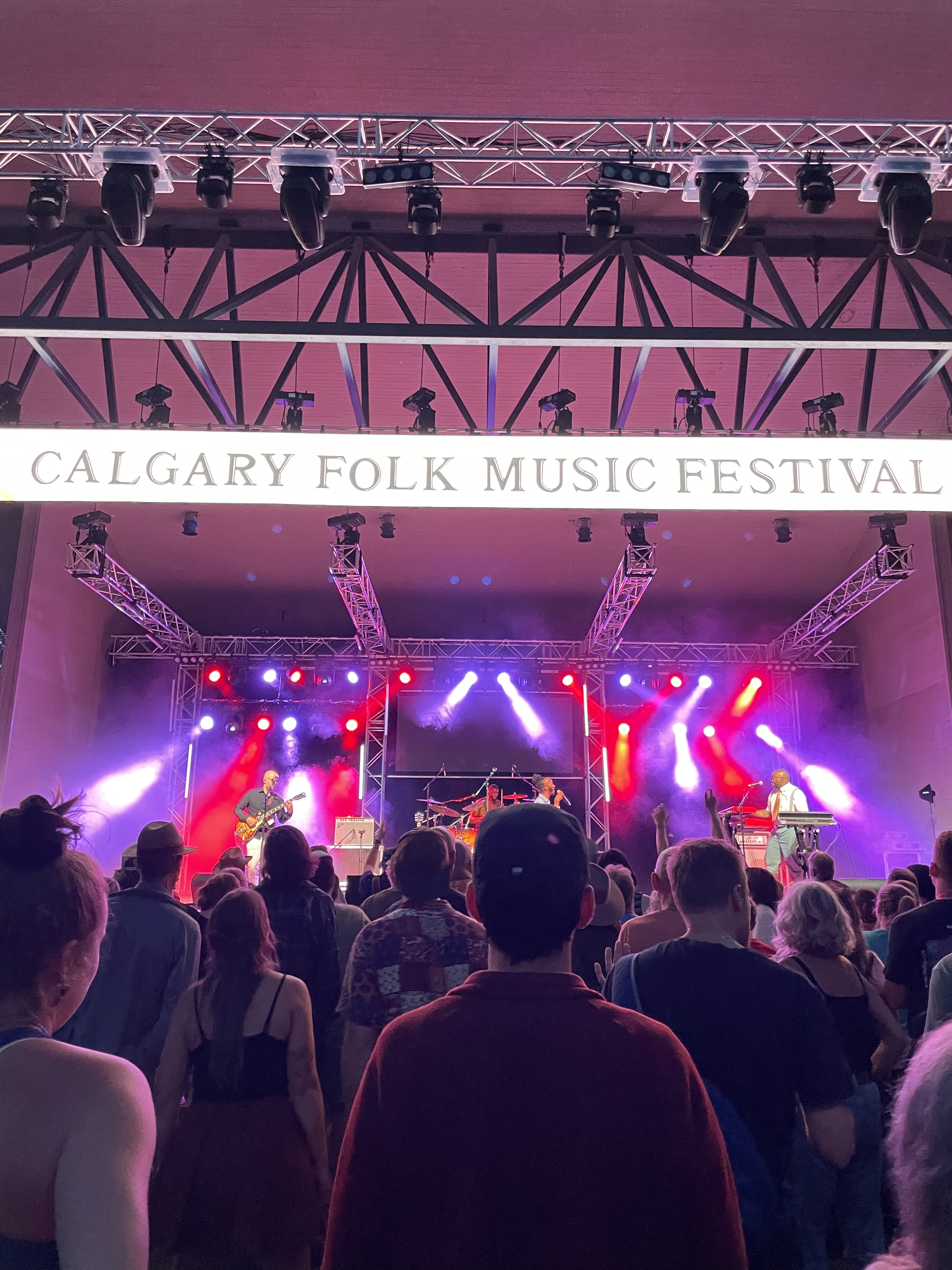
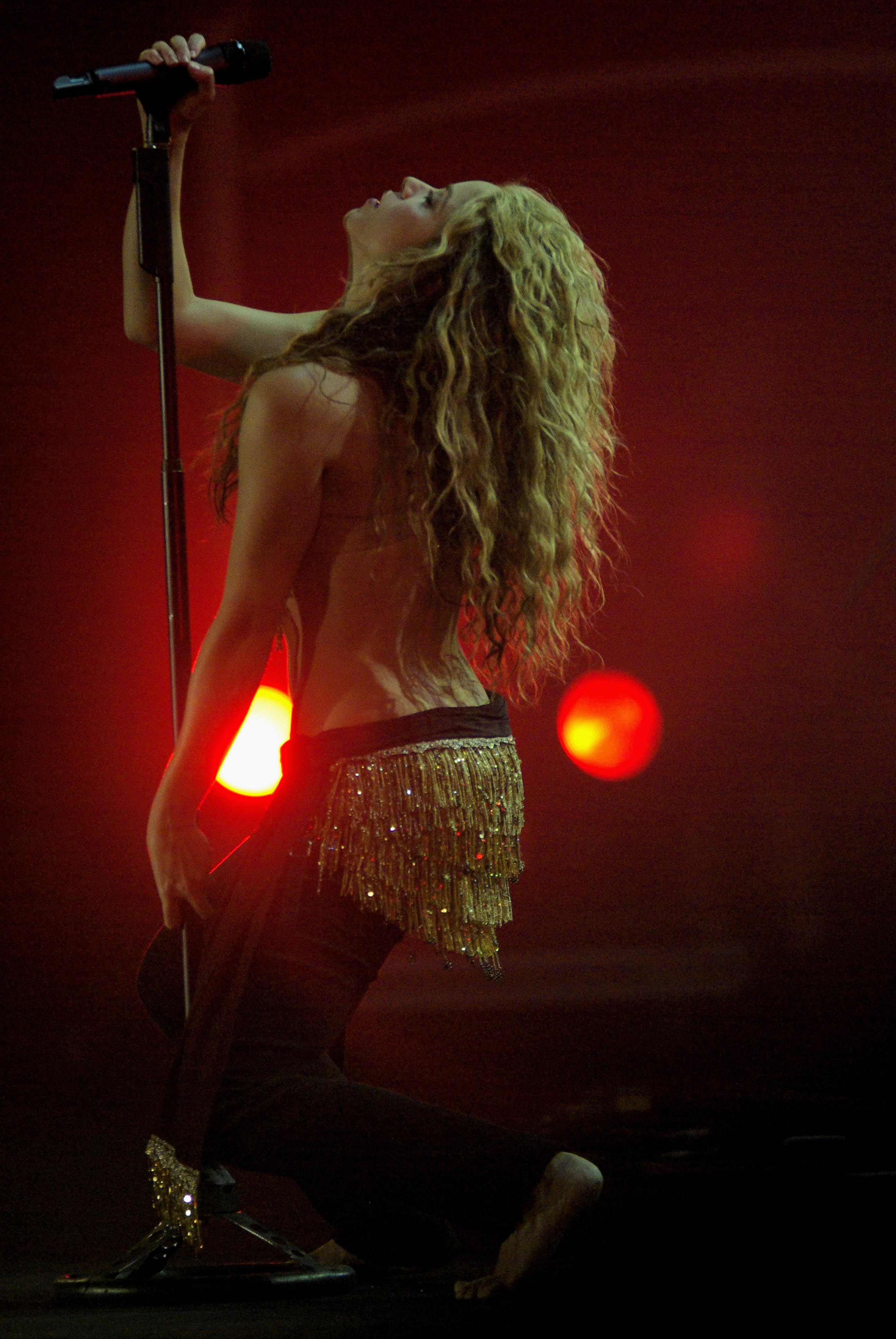
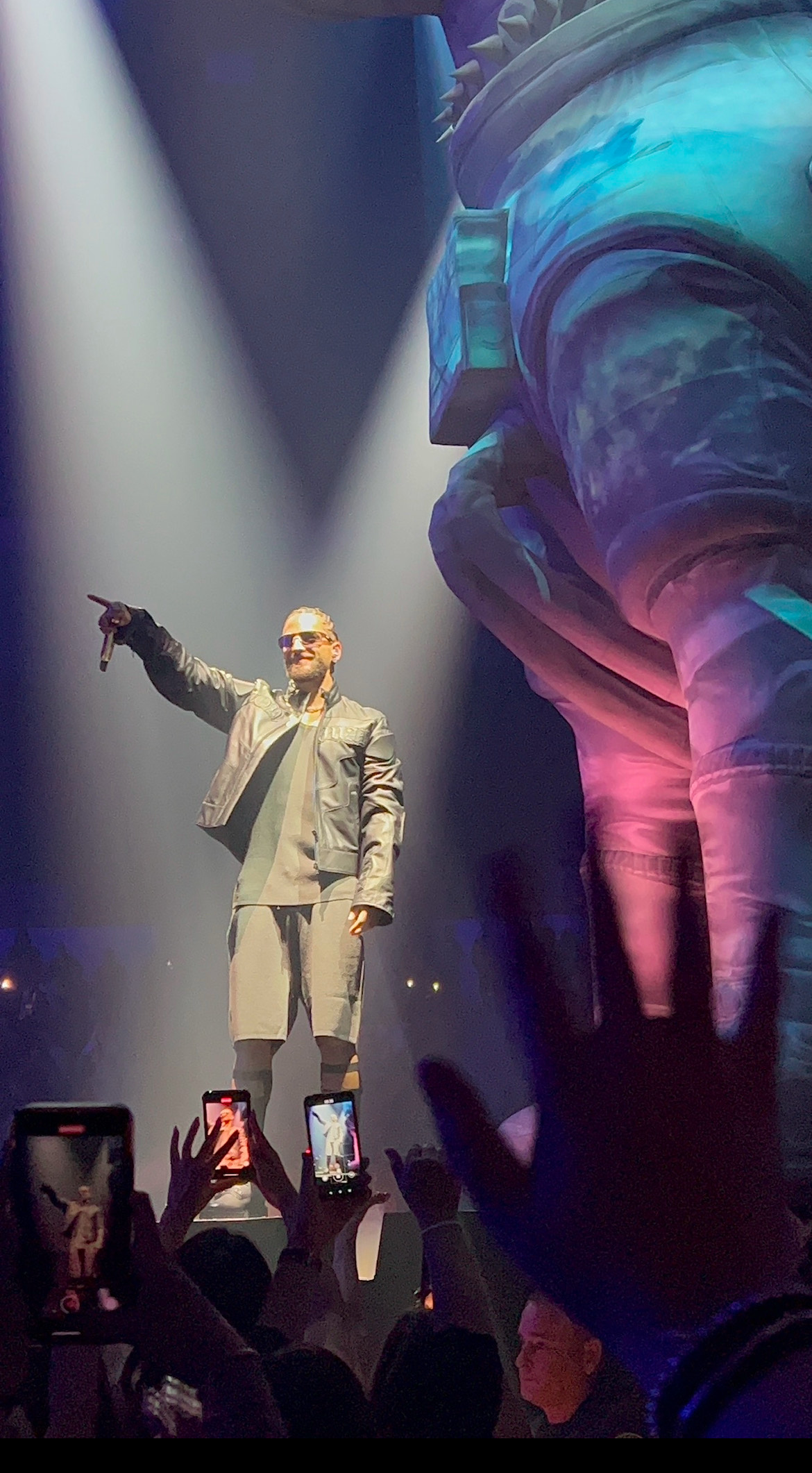
Concert style often starts as a stage detail and becomes a wider cue for everyday dress.Pop and Latin performance wardrobes have long shaped how fans read polish, energy, and status.Festival audiences often echo the same loosened, expressive style language they see on stage.
Music and fashion move in the same direction, then pull apart
Music gives fashion a rhythm. Fashion gives music a body. When a sound scene forms around a club, a neighborhood, a subculture, or a fan base, clothing becomes part of the scene’s membership test. The clothes do not just decorate the music; they help identify who belongs, who is watching, and who wants in.
That is why fashion history tends to change fastest in places where performance is highly visible. A stage costume does not need to be practical in the ordinary sense. It needs to be legible. Once that legibility catches on, designers, retailers, and everyday dressers begin translating it into something wearable. The translation is often slower than the music itself, but not by much.
Era
Musical force
Fashion signal
What spread beyond the stage
1920s jazz age
Dance halls, nightlife, new urban confidence
Dropped waists, shorter hems, beading, movement
Freedom of motion and a less restrictive silhouette
1950s and 1960s rock and roll
Youth rebellion and amplified performance
Leather jackets, denim, slick hair, clean basics
Teen identity as a visible style category
Late 1970s punk
DIY anger, anti-establishment energy
Safety pins, torn fabric, tartan, black boots
Anti-fashion becoming fashion on purpose
1980s and 1990s hip-hop
Street identity, video culture, brand visibility
Tracksuits, sneakers, gold jewelry, logo culture
Performance, status, and sportswear crossing into everyday dress
The table is a simplification, of course. Real history is messier. But it captures the broad pattern: music scenes create visual rules, and fashion eventually packages those rules for wider use. The result is not a straight line. It is a cycle, and each new era borrows from the last while trying to look like a break from it.
1. The Jazz Age turned movement into style
In the 1920s, jazz did more than fill dance floors. It changed how bodies moved in public, and clothing had to keep up. The flapper image is useful here because it represents more than a dress; it represents a new idea of motion, nightlife, and social freedom. Dropped waists, lighter fabrics, and shorter hems all made sense in a culture that valued dancing and speed.
That shift is part of why jazz-era fashion still feels modern. It was not only decorative. It was functional in a social sense. The clothes made room for a different posture toward the world, one in which a woman could appear less constrained and more visibly present. A generation later, people still recognized the look as shorthand for a certain kind of modernity. That is how fashion history works: a practical change becomes a symbol, and the symbol outlives the original use.
The key point is not that jazz invented freedom. It is that jazz helped make freedom visible. When sound, movement, and dress line up, the style becomes memorable enough to survive the period that produced it. For readers who want a clean historical anchor, the flapper tradition remains one of the most cited examples of music shaping clothing rather than merely accompanying it.
2. Rock and roll made youth identity visible
By the 1950s and 1960s, rock and roll gave young people a sharper identity than the previous decade had offered. The music carried attitude, and the clothing carried it too. Leather jackets, jeans, white T-shirts, slim trousers, and exaggerated hair all signaled a break from polite adult dress. Elvis made the silhouette dramatic; later bands and solo acts refined it into a visual shorthand for cool.
Rock style mattered because it turned rebellion into a consumer category. What had looked disruptive in a photograph could be sold in a store the next season. Denim is a good example. It had workwear origins, but rock performers turned it into a symbol of youth, confidence, and a kind of casual refusal. Once that happened, the garment no longer belonged to one class or one job. It belonged to a mood.
The Beatles, the Rolling Stones, and later glam and arena acts each changed the equation a bit, but the mechanism stayed the same. Music created a crowd. The crowd created a look. The look spread because it promised belonging without requiring full conformity. That is a powerful trade, and fashion has been making it for decades.
3. Punk turned anti-fashion into a lasting code
Punk is where the music-fashion relationship became openly confrontational. If jazz loosened the silhouette and rock added youth rebellion, punk made refusal the point. Torn shirts, safety pins, hand-scrawled slogans, tartan, leather, studs, and blunt boots all worked as visual arguments against polish. The style said: this is not a costume of refinement. It is a refusal of refinement.
What makes punk so important is that the refusal itself became reproducible. Designers, photographers, and fans translated the look into a recognizable system, and that system survived long after the most chaotic local scenes faded. The Met’s fashion history on punk is useful precisely because it shows how a movement built on anger and improvisation still became one of the most studied visual languages in twentieth-century dress.
Punk also teaches a practical lesson: fashion does not need approval to spread. It only needs a clear enough outline. Once the outline is legible, magazines can photograph it, stores can imitate it, and new scenes can adapt it for their own use. A style that starts as disruption often survives because it is easy to recognize. That recognition is the doorway to repetition.
4. Hip-hop made branding part of the outfit
Hip-hop changed the conversation again in the 1980s and 1990s. The music did not just introduce another style; it clarified that clothing could be part of brand identity, geography, status, and community at the same time. Tracksuits, bucket hats, Kangol caps, oversized jackets, sneakers, heavy jewelry, and later luxury logos all became part of a visual vocabulary that was as deliberate as a verse.
Hip-hop fashion also accelerated because it traveled through several media at once. Live performance mattered, but so did music videos, album covers, magazine spreads, and street photography. That is why the style could move from neighborhood visibility to global influence so quickly. A look that first signaled local belonging could, after enough repetition, become a mainstream template for casual luxury and athletic confidence.
For a concise overview of how that shift developed, the Wikipedia entry on hip-hop fashion is a useful starting point. The larger lesson is more important than any single item: hip-hop made the logo, the sneaker, and the silhouette part of the message. Clothes were no longer only about taste. They were also about place, power, and self-definition.
There is a reason so much modern fashion still borrows from hip-hop. It offers both structure and flexibility. A tracksuit can read as comfort, status, sports culture, or defiance depending on context. That adaptability is exactly why the style survived and kept mutating.
5. Madonna, Bowie, and Cobain made the loop obvious
Some artists influence fashion because they create a whole new silhouette; others do it by showing that fashion can be edited, remixed, or deliberately destabilized. Madonna belongs in the first group and the second. Her style history moved through lace gloves, layered jewelry, corsetry, and a kind of calculated reinvention that made clothing feel modular. Fans did not just copy a Madonna outfit. They copied the idea that an outfit could be assembled as a statement.
David Bowie pushed the conversation further by treating image as a variable rather than a fixed identity. Ziggy Stardust, Aladdin Sane, the Thin White Duke, and his many other visual eras all demonstrated that fashion could carry theatrical intelligence without losing wearability. Bowie’s influence still shows up in tailoring, hair, color, and the willingness to blur masculine and feminine cues. He made style feel like a border worth crossing.
Kurt Cobain moved in the opposite direction, but the effect was just as strong. Grunge did not offer glamour in the traditional sense. It offered thrift, looseness, indifference, and a sense that clothing could reject polish and still become iconic. The Wikipedia overview of grunge fashion helps explain why oversized flannels, cardigans, worn denim, and mismatched layering turned into a widely imitated look. The paradox is familiar by now: the more a style insists that it does not care, the more likely it is to be copied.
These icons matter because they condense an era into a readable image. Most people do not remember every lyric or every interview. They remember the silhouette. That is why fashion historians keep returning to artists like Madonna, Bowie, and Cobain. Their looks were not just decorative. They were portable summaries of a cultural mood.
What fashion experts usually point to
Asked to explain why music keeps changing clothing, fashion historians tend to circle the same few ideas. First, performance creates clarity. A stage look has to read instantly, so it often strips away ambiguity. Second, repetition matters. A style does not become influential because it appears once; it becomes influential because it appears often enough to become recognizable. Third, adoption happens when the look can be translated outside the original scene.
That last point is the most important. A powerful stage outfit may be visually exciting, but if it cannot be simplified, retailed, and worn in daily life, it usually stays inside the fan base. When a look can be translated, the market notices. Once the market notices, fashion history starts to change faster than the people in the original scene may want.
There is also a quieter expert insight that is easy to miss: clothing spreads best when it tells a story the wearer can explain in one sentence. A flapper dress says movement. A punk jacket says resistance. A hip-hop tracksuit says confidence. A grunge cardigan says anti-glamour, which is still a kind of glamour if you let the irony sit long enough. Clothes that carry an understandable message travel farther than clothes that only look expensive.
That principle is why museum essays, fashion archives, and careful historical writing are worth reading. They show that style is rarely random. It usually has a scene, a reason, and a set of tools for becoming repeatable. For readers who want to compare the eras side by side, this site’s blog is the easiest place to keep following the thread.
A useful curator-level takeaway appears in both the Metropolitan Museum’s punk overview and Britannica’s flapper history: once a scene makes a look easy to recognize, that look can be carried far beyond its original setting. The clothes do not need to stay radical forever; they only need to become legible long enough for the next audience to copy them.
Why the cycle still matters now
Today the music-fashion loop moves faster because the image travels faster. A tour outfit can become a meme, a streetwear reference, a resale trend, and a festival uniform in a very short time. Social platforms compress the old pipeline. What once took a season now takes a week. The underlying mechanism has not changed, but the speed has.
That speed creates a new problem for editors, archivists, and anyone trying to track visual culture at scale: there is simply more material to sort. In practical workflow terms, that is one reason some publishers and operations teams look at services such as AI consulting services when they need to think through research, tagging, and repeatable editorial systems. The point is not to automate taste. The point is to make the tracking of taste less chaotic.
The deeper cultural question remains the same. What makes a look stick? Usually not novelty alone. It is recognizability, adaptability, and the promise that wearing the style will say something meaningful about the wearer. Music keeps supplying those signals because music itself is social. It gathers people into rooms, scenes, feeds, and memories, then leaves a visual residue behind.
If you want a practical way to spot the next crossover, watch for three things: a performer who has a stable visual silhouette, a fan base that repeats it, and a media environment that turns the repetition into common knowledge. When those three align, fashion usually follows.
Merchandise makes that process even easier to see. A shirt, cap, or jacket tied to a tour can move faster than a runway trend because it already comes with a built-in story. Fans do not have to invent the meaning; the music gives it to them. That is one reason concert style, festival dressing, and streetwear keep blending together. The look is no longer just a look. It is a memory of being in the room, or at least wanting to be there.
Photography matters too. A single image can turn an otherwise complicated visual idea into a repeatable template. That is why style spreads through magazines, posters, social feeds, and fan archives so efficiently. The music may be temporal, but the image is portable. Fashion borrows the image, then teaches it how to live longer than the song that inspired it.
Conclusion: music never just plays in the background
The history is less mysterious than it first appears. Jazz helped loosen the body. Rock and roll gave youth a visible uniform. Punk turned refusal into design. Hip-hop turned identity and branding into part of the outfit. Madonna, Bowie, and Cobain each showed that an artist’s visual language can be as influential as the music itself.
So when people ask whether music influences fashion, the cleaner answer is yes, but with a caveat: fashion also influences how music is remembered. The two keep rewriting one another. That is why the relationship feels so durable. It is not a side effect. It is part of the culture’s operating system.
For more related reading, browse the About page to learn what this site covers, or use the Contact page if you have a topic suggestion or a historical style question worth following up. The next useful trend is usually hiding in the last one.
Key takeaways
Music scenes create visible style codes that fashion can repeat and adapt.
Iconic performers matter because they compress an era into one readable image.
Rebellion often becomes mainstream once the look is easy to recognize and translate.
Modern platforms have shortened the time between stage style and street style.
World music is the planet’s group chat for your ears: loud, surprising, and full of voices that make the map feel bigger than the room you are sitting in.
By June Park · July 14, 2026
When people search for world music, they are usually trying to answer a few plain-English questions: What does the term actually mean? Why does one tradition sound so different from another? How do rhythm, language, instruments, and ceremony all end up in the same song? And where should a curious listener begin without feeling like they need a passport, a glossary, and a better chair?
I like this subject because it turns listening into a small adventure. The label itself is broad, sometimes awkward, and a little too tidy for something as unruly as global sound. Still, it is a useful doorway. Britannica’s overview of world music is a good reminder that the phrase covers a wide field of traditions rather than one neat genre with a single beat pattern and matching shoes.
In this guide, I will walk through the idea of world music, tour a few major traditions, explain how culture shapes the sound, and give you a practical way to explore without getting lost in the buffet line. If you want the short version of how this site thinks about music and curation, the About page has the background, the Blog collects more essays like this one, and the Contact page is where suggestions and corrections can land.
You will leave with a clearer sense of what world music includes, what makes each tradition distinct, and how to build your own listening path one track at a time.
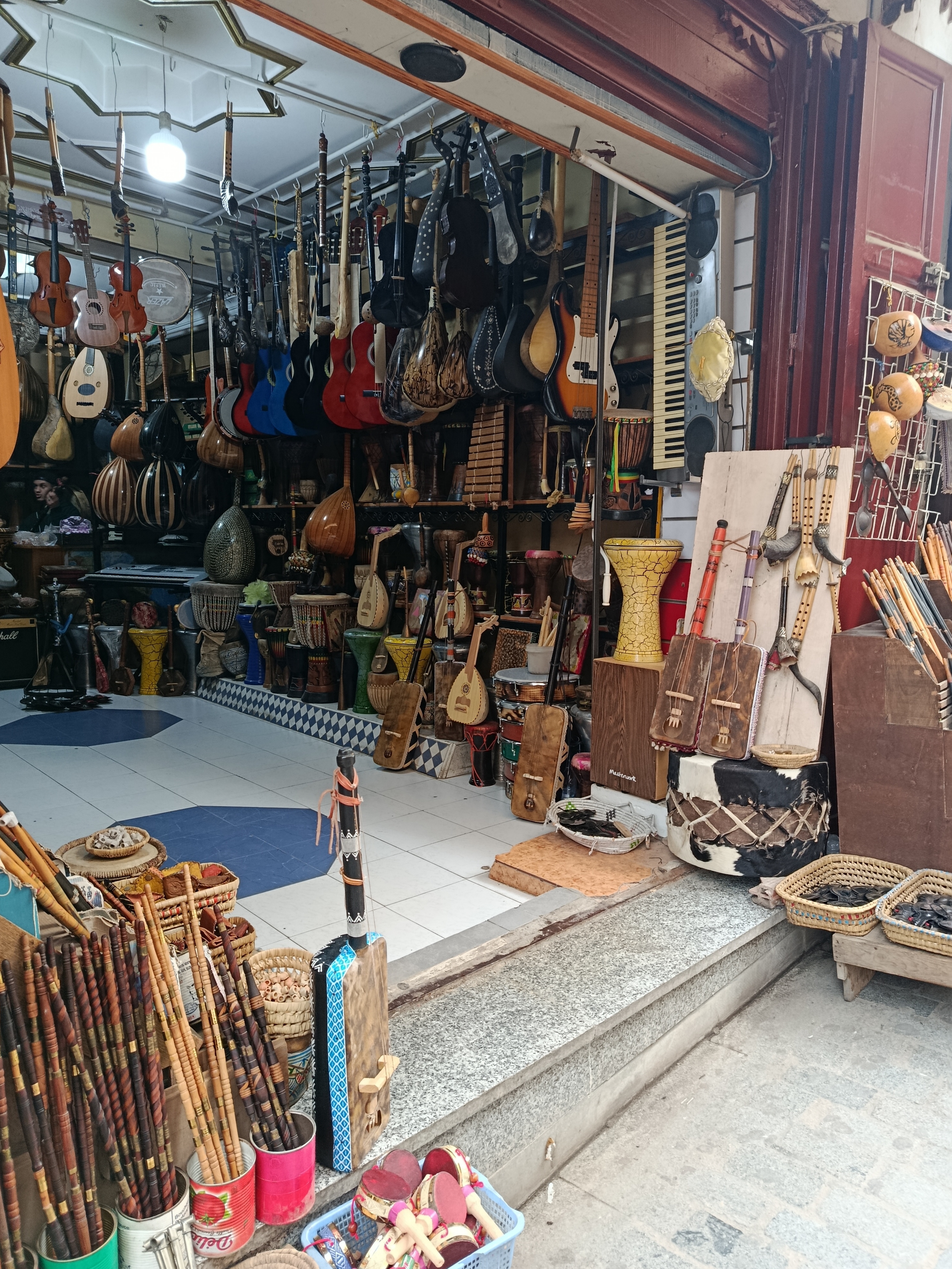
Traditional instruments on display in Fes, Morocco, where the visual texture alone feels like a listening lesson.
What World Music Really Means
The phrase world music does not point to one sound. It points to many sounds that grew out of different places, languages, faiths, ceremonies, migrations, and everyday lives. That is the first useful mental shortcut: world music is not a style that behaves the same everywhere. It is a shorthand for traditions that often sit outside the mainstream Western pop pipeline, but the category is much richer than that simple boundary.
Think of it less like a genre shelf and more like a transit map. You are not trying to force everything into one lane. You are tracing routes: from court music to street celebration, from prayer to dance, from village gatherings to global festivals, from oral tradition to digital archive. The label is imperfect, but the listening journey can still be beautiful.
Here are a few terms that come up often when people talk about world music. They are not magic spells, but they help the conversation move from vague to useful.
Term
Plain meaning
Why it matters
Polyrhythm
Two or more rhythms happening at once
Common in many African and diaspora traditions; it gives music a layered, moving pulse
Raga
A melodic framework in South Asian classical music
Shapes mood, time of day, and the notes a performer can explore
Maqam
A melodic system used in Middle Eastern music
Guides the shape of a melody and the emotional path it follows
Call-and-response
A musical exchange between leader and group
Turns performance into conversation, not just display
Timbre
The color or texture of a sound
Explains why a kora, oud, sitar, or flute can feel instantly recognizable
If you keep only one thing from this section, keep this: culture is not decoration around music; culture is the engine that helps the music know how to move.
A Tour of Different Cultural Music Styles
This is the part where the map opens up. A good way to approach world music is not to chase “the best” tradition, because there is no fair scoreboard for a drum pattern, a vocal line, or a ceremony. A better goal is to hear how different communities solve the same human problem: how to turn feeling into sound and sound into shared meaning.
West African rhythms: the architecture of pulse
In many West African traditions, rhythm does not sit in the background like wallpaper. It is the room. Drums, bells, handclaps, and voices often interlock in patterns that feel both precise and alive. The music can move quickly without becoming messy, because each part has a role. That sense of collective motion is one reason these traditions have shaped so many forms of music across the Atlantic world.
When you listen, focus on the conversation between parts. One player may anchor the groove while another adds a syncopated line that seems to lean forward. The ear learns to hear not just a beat, but a structure. If you want a trustworthy doorway into this broader field, the Library of Congress collection on world and traditional music is a useful place to wander because it treats recordings as living documents, not museum dust.
South Asian traditions: melody with a memory
South Asian classical music often treats melody like a path with clear landmarks. A raga is not simply a scale; it is a frame that guides ornament, mood, and improvisation. That means a performance can feel both free and disciplined at the same time. One note may stretch, wobble, or bloom for longer than a pop listener expects, but that stretching is part of the point. It gives the listener time to enter the atmosphere.
What makes this tradition so compelling is the way it ties technique to feeling. It is not just about showing skill. It is about drawing the listener into a particular time of day, emotional tone, or spiritual space. If you are new here, do not worry about memorizing terminology on day one. Start by listening for repetition, ornament, and the way a performer returns to a central pitch like someone returning to a home address.
Middle Eastern and North African music: the pull of maqam
Middle Eastern and North African traditions often use melodic systems that give music a strong sense of direction and emotional color. The maqam system, in particular, invites a listener to hear how a melody can lean, resolve, and drift without ever feeling random. Voice and instrument frequently share the same expressive logic, so a song can feel intimate even when the arrangement is rich.
These traditions are also a reminder that music and place are rarely separate. A song may carry the contour of a city market, a household celebration, a religious ceremony, or a long memory of migration. For a broader cultural frame, UNESCO’s explanation of intangible cultural heritage is helpful because it shows why a musical tradition matters beyond entertainment. It is often a vessel for language, ritual, and identity.
Latin American and Caribbean sound: dance as structure
In much of Latin American and Caribbean music, dance is not a side effect. It is part of the architecture. Percussion, bass, guitar, brass, and voice often work together to create tension and release that the body can feel before the mind can label it. You hear this in son, salsa, samba, cumbia, tango, merengue, reggae, and countless local styles that do not fit neatly into a single export label.
These traditions often show how music changes when communities move, mix, and adapt. A rhythm travels. A chord progression gets bent. A dance floor becomes a place where memory and invention shake hands. If you want a good listening habit, compare one traditional performance with a more recent recording of the same style. The differences tell a story about how music survives by refusing to stay frozen.
Eastern Europe and the Balkans: ornament, drive, and edge
Folk traditions in Eastern Europe and the Balkans often combine sharp rhythmic drive with highly ornamented melody. You might hear fast dance tunes, asymmetrical meters, accordion lines, string ensembles, or vocal harmonies that sound almost like they are trying to thread a needle at speed. The result can be exhilarating. It also makes clear that “folk” does not mean simple. Sometimes folk music is just classical-level complexity wearing more comfortable shoes.
What I love here is the emotional range. A tune can feel mournful and ready to dance at the same time, which is one of music’s better tricks. It refuses to behave like a mood label. The listener gets a reminder that joy and grief are frequently neighbors, and sometimes they share a kitchen.
East and Southeast Asian traditions: texture, restraint, and space
Across East and Southeast Asia, musical traditions can emphasize timbre, spacing, and controlled gesture. That does not mean they are quiet in spirit; it means the drama often comes from nuance rather than volume. A bamboo flute, plucked string instrument, or gamelan ensemble can create a sound world where resonance matters as much as melody.
This is one of the best places for a listener to slow down. Do not ask the music to hurry just because your algorithm has the attention span of a caffeinated squirrel. Let the gaps speak. Notice what the performer leaves unsaid. Notice how the body of the instrument, the room, and the air all become part of the composition.
Indigenous and diaspora traditions: continuity under pressure
Many of the most meaningful world music traditions live inside communities that have carried them through migration, colonial pressure, displacement, and revival. In those cases, music is not only art. It is also continuity. A song can preserve a language fragment, a ceremonial pattern, or a family memory that would otherwise have vanished into the historical fog.
That is why listening with respect matters. You are not just consuming a sonic novelty. You are hearing a living practice that may be tied to resilience, community responsibility, and transmission between generations. The best listening posture here is humble curiosity. Ask what the music does for the people who keep it alive, not just what it does for your own playlist.
How Culture Shapes Music
If you want a clean answer to why world music sounds so different from place to place, the answer is not “because people are random.” The answer is that music grows inside a web of real conditions. Language changes melody. Ceremony changes pacing. Geography changes instruments. Migration changes audiences. Religion changes function. Trade changes taste. Technology changes the way songs travel.
That is the boring magic of music history: every sound carries the fingerprint of the world that made it.
Here are some of the biggest forces at work.
Language: Tonal languages may shape melodic contour, while poetic forms influence repetition, rhyme, and phrasing.
Ceremony: Weddings, funerals, harvests, prayer, and initiation rites all call for different tempos and emotions.
Geography: Materials available locally affect instruments, from bamboo flutes to skin drums to metal percussion.
Community memory: Songs can preserve stories, genealogy, protest, and humor long after written records fade.
Migration and exchange: When people move, music travels with them and picks up new flavors on the road.
Technology: Radio, tape, streaming, and digital archives decide what gets heard far beyond its original home.
One reason this matters is that world music is often discussed as if it were static, as if each tradition arrived in a glass case. That is almost never true. A tradition may be ancient and modern at the same time. A song can be old enough to carry a village’s memory and current enough to live on a phone speaker. The contradiction is not a bug. It is the actual operating system.
For a broader perspective on how living traditions are defined and protected, Smithsonian Folkways is useful because it treats recordings as part of an ongoing cultural conversation, not as dead artifacts. That attitude matters when you are trying to understand why a melody can feel historical without feeling stale.
It also helps to remember that culture shapes not only what music sounds like, but how people use it. In some places, music belongs to a celebration. In others, it belongs to work, ritual, resistance, or healing. In others still, it is simply the thing that makes a long evening feel like a community rather than a waiting room. The function changes the form. The form changes the listening.
How to Explore World Music Without Getting Lost
A lot of listeners freeze here. The field is wide, the terminology is unfamiliar, and the streaming apps are very happy to hand you a playlist with no context and a shrug. So let’s make a small map that does not require a music degree or a saint’s patience.
Start with one doorway
Pick one region, one instrument, or one performer. That is enough. Do not try to “cover the world” in a weekend. If you begin with the kora, for example, you can move from one player to another and hear how the same instrument changes voice across countries, families, and generations. If you begin with the sitar, you can listen for how melody unfolds over time. If you begin with percussion, you can study how rhythm organizes social energy.
Use the compare-and-contrast trick
Listen to two tracks back to back from different traditions and ask three questions: What is driving the rhythm? What kind of emotion does the voice or instrument carry? What is the role of silence? This is a tiny but useful method because it makes your ear active instead of passive. You stop hearing “foreign music” as a blur and start hearing decisions.
Let archives do some of the work
Not every great listening experience comes from a recommendation engine. Some come from archives, libraries, museums, and public collections that preserve recordings with context. The Library of Congress and similar institutions can help you hear the difference between a surface-level playlist and a real historical trail. That matters if you want to understand why a song exists, not just whether it sounds catchy in the first twelve seconds.
Build a tiny listening map
If you already like…
Try this next
What to listen for
Fast dance music
West African drumming or Balkan dance tunes
Interlocking rhythms, tempo shifts, and group energy
Long guitar or string solos
South Asian raga or Middle Eastern instrumental improvisation
Melodic development, ornament, and patience
Big choral sound
Call-and-response traditions or communal singing
Leader-group exchange and layered voices
Atmospheric, texture-heavy music
Gamelan, folk ensembles, or court music
Timbre, resonance, and space between notes
Pop songs with strong hooks
Latin and Caribbean rhythms
How percussion and bass shape the body’s response
That table is not a law, obviously. It is a bridge. Use it the way you would use a good neighborhood map: as a way to find the first interesting street, not as a commandment etched into stone.
Follow one playlist, then leave it
Playlists can be useful, but they are only the appetizer. Once a track catches your attention, search for the artist, the instrument, the region, or the label behind it. That is how a casual listen becomes a real habit. You move from “nice song” to “interesting tradition” to “I want to understand the community that made this.”
If you need a practical place to keep your questions, use the Contact page as a suggestion box and the Blog as your running notebook. The site is built to be browsed, not just visited once like a polite stranger who never calls back.
Try live recordings and field recordings
Studio albums are often polished in ways that can hide the room, the audience, and the everyday human noise around the music. Live recordings and field recordings sometimes give you the missing context: applause, call-outs, footwork, ambient sound, and the tiny imperfections that make performance feel real. Those details can be the difference between hearing a song and hearing a culture at work.
That does not mean polished recordings are bad. It means they are one version of the story. A good listener samples more than one version before deciding what the music “is.”
A Small, Sensible Listening Routine
If all of this still feels a little broad, good. Broad is normal. The trick is to turn broad into manageable. Here is a routine I recommend for anyone starting from zero:
Pick one region or tradition for the week.
Find one authoritative overview, one archive, and one living performer.
Listen to three tracks: one old recording, one recent performance, and one collaboration or crossover piece.
Write down what you heard in three words, then revise those words after a second listen.
Search for the instrument, dance, or ritual connected to the music.
Repeat the process with a different region the next week.
This routine works because it is small enough to finish. It keeps the curiosity engine running without turning listening into homework with bad lighting. You are not trying to master the planet in one afternoon. You are building familiarity, and familiarity is how respect grows.
Why This Matters Now
Streaming has made the world sound closer, but it has also made context easier to lose. A listener can jump from an Algerian chaabi track to a Peruvian folk song to a Filipino kulintang performance in less than a minute. That is thrilling. It is also dangerous if the music becomes only atmosphere.
World music deserves better than background status. It carries history, migration, memory, and local knowledge. It also carries delight, which is not a minor thing. Sometimes delight is the first door that opens the bigger room. If a tune makes you dance, hum, or sit up straighter, follow that reaction. Then ask why it happened.
That is where the deeper reward lives. Not in collecting sounds like trophies, but in recognizing how many ways humans have found to make rhythm feel like community and melody feel like a story.
Conclusion: Pick One Door and Open It
World music is less a category than a conversation. It asks you to listen with more patience, more context, and a slightly better sense of humor about your own ignorance. One tradition may impress you with rhythmic complexity. Another may slow you down until you hear the space between notes. Another may feel like a ceremony you were lucky enough to witness from the edge of the room.
If you remember only three things, make them these:
World music is a map of many living traditions, not one style.
Culture shapes sound through language, ceremony, geography, and memory.
The best way to explore is one doorway at a time, with archives and context nearby.
For a deeper look at living traditions, the UNESCO intangible heritage page is a strong next stop, and it pairs well with the recording collections at the Library of Congress and the listening catalog at Smithsonian Folkways. Those three together give you history, context, and a lot of ears to borrow.
My recommendation is simple: choose one tradition today, listen to three tracks, and keep one note about what changed in your understanding. That tiny habit is enough to turn world music from a vague label into a real cultural journey. And once that starts, the planet gets a little louder in the best possible way.
If you want one music app that fits your habits instead of arguing with them, the details matter. Do you care more about discovery or sound quality? Do you want offline downloads, direct artist support, or the biggest catalog you can reasonably carry around? And do you want the app to feel calm, or do you want it to behave like a very clever DJ who never leaves the room?
That question matters more in 2026 than it used to. Music apps are no longer just libraries with play buttons. They are recommendation engines, download managers, social funnels, and, in some cases, high-fidelity listening rooms. The current trend line is easy to see across the major apps: each one optimizes a different combination of catalog depth, offline access, audio quality, and discovery. That is the real market now: access, quality, discovery, and ownership, all stacked in different proportions.
In this guide, I will break down the best music apps for different kinds of listeners, show you what each one is good at, and point out the tradeoffs instead of pretending one app is magically perfect. If you want more related reading, the blog archive keeps the other music guides in one place, while About and Contact are there if you want the editorial angle or have a question worth sending.
A good music app should make listening feel easy, not busy.
How I judge a good music app
I do not start with hype. I start with the boring stuff, because the boring stuff is what decides whether the app stays on your phone. A good music app should solve a real listening problem, not just look shiny in a screenshot.
What I check
Why it matters
What a strong app does
Catalog depth
More music means fewer dead ends when you want a track, remix, or live version.
It gives you mainstream releases, deep cuts, and enough library coverage to stop you app-hopping.
Discovery quality
The app should help you find something new without turning into a slot machine.
It learns your taste, but it does not flatten everything into the same playlist flavor.
Offline listening
If you travel, commute, or conserve data, downloads are not optional.
It lets you save music cleanly and manage it without a scavenger hunt.
Audio quality
Some listeners care deeply about lossless, hi-res, or spatial audio.
It makes the quality settings obvious and useful instead of hidden behind a marketing maze.
Support for artists
Fans increasingly care about where the money goes.
It offers direct purchase, tipping, or membership paths when appropriate.
Device behavior
A music app should work on the phone, the desktop, the speaker, and the car without drama.
It syncs fast, reconnects cleanly, and does not forget the song when you change devices.
If you are building the back office behind a music app, AI consulting services can help decide whether recommendation, moderation, or catalog cleanup should be automated first. That is not a glamorous sentence, but neither is fixing a bad metadata pipeline after launch.
The best music apps, by use case
1. Spotify: best all-around discovery app
Spotify is still the easy default for people who want a large catalog, strong playlists, and a recommendation engine that usually gets the vibe right before it gets the details perfect. The app is built for habit. Open it, and it already wants to know what you meant to listen to.
Spotify’s offline listening guide is a clean example of how the app treats saved playback and device behavior as core features, not afterthoughts.
The strengths are obvious: broad catalog coverage, playlists for nearly every listening pattern, and a discovery layer that can keep casual listeners engaged for a long time. Spotify also leans into offline listening and lossless playback, which makes it more flexible than the old “streaming is just convenience” stereotype. If you like the service to do some of the digging for you, this is the app that keeps showing up on shortlist after shortlist.
The tradeoff is the same one that makes it useful: Spotify can feel crowded. If you like a very clean, album-first interface, it may feel a little busy. But for a lot of listeners, that busyness is the point. It behaves like a radio station that learned how to save your favorite songs.
Best for: everyday listening, algorithmic discovery, curated playlists, and people who want a strong all-purpose app.
Watch out for: interface clutter and a tendency to push the app’s opinion a little harder than some listeners want.
2. Apple Music: best for Apple users and library-minded listeners
Apple Music is the app I recommend when someone wants a large catalog but also cares about structure, quality, and device integration. It is especially comfortable if your phone, laptop, watch, and speakers already live inside Apple’s ecosystem. The handoff between devices is one of its quiet strengths.
Apple’s lossless audio guide lays out the quality settings without much theater, which is exactly how a library-minded app should behave.
The platform’s official pitch is straightforward: over 100 million songs, offline downloads, Spatial Audio, and lossless audio quality. That combination makes it attractive to listeners who treat music like a library rather than a feed. If you like albums, want your own collection to stay tidy, and value sound quality more than novelty churn, Apple Music is a serious option.
It is not always the flashiest app. It can feel more controlled than playful. But that restraint is useful if you want the listening experience to get out of the way and let the music do the job.
Best for: Apple device owners, album listeners, and people who care about audio quality and offline access.
Watch out for: a design language that prioritizes polish over surprise.
3. YouTube Music: best for remixes, live versions, and music videos
YouTube Music is the app for listeners who do not only want the studio version. Sometimes you want the live cut, the fan upload, the alternate take, the remix, or the version that somehow exists only because the internet refused to leave a song alone. That is where YouTube Music is unusually strong.
The service is also useful if you want music and video to live in the same place. Background play and downloads are part of the paid experience, and that matters if your listening habit includes long sessions, commuting, or keeping something on while you are doing something else. For listeners who like to fall down music rabbit holes, YouTube Music is a very efficient tunnel.
The tradeoff is that the app can feel less tidy than a pure music-first service. It is very good at surfacing content, but it is still carrying some of YouTube’s broader identity around with it. That is not a deal-breaker. It just means you should expect variety, not strict minimalism.
Best for: people who want live performances, remixes, covers, and music videos alongside regular listening.
Watch out for: a video-first personality that can make the music library feel less focused.
4. TIDAL: best for high-fidelity listening
TIDAL is the app for people who notice sound quality first and the interface second. Its current positioning is clear: lossless, HiRes FLAC, Dolby Atmos, ad-free listening, and offline playback. If that sentence makes sense to you immediately, you already know whether TIDAL belongs on your phone.
TIDAL’s sound quality page makes the hi-fi pitch obvious, which is useful when a platform’s value lives in the details.
I would not call TIDAL the most casual music app on this list. That is not an insult. It is a category choice. The app is built for listeners who care about fidelity, intentional playback, and a more premium sound stage. If you spend time with good headphones or a decent home setup, TIDAL gives you a reason to hear the difference.
The upside is obvious. The downside is that the app may feel more serious than social. Some listeners want that. Some do not. If your ideal app is “open it and immediately forget the interface exists,” TIDAL will still be fine. If your ideal app is “make me feel like a very patient audio engineer,” it is even better.
Best for: audiophiles, headphone listeners, and anyone who treats sound quality as part of the point.
Watch out for: a premium feel that may be more focused on fidelity than on casual discovery.
5. Bandcamp: best for direct artist support and ownership
Bandcamp is the least “infinite scroll, please keep me occupied” app on this list, and that is a feature. It is built for buying music, supporting artists directly, and keeping a copy of what you like. If your instinct is to own the album and know who got paid, Bandcamp still makes a strong case.
Bandcamp’s FAQ is a quick way to see how the buy-and-keep model works without the usual platform gloss.
Bandcamp Daily, fan accounts, and digital purchases all make the platform feel more like a record store than a pure streaming utility. You can stream purchases in the app, keep a wishlist, and go back to your library without needing to negotiate with a recommendation engine first. That makes it especially good for listeners who care about discovery through curation, not just automation.
It is not the best app if you want a passive background feed that never asks anything of you. It is better when you want a deliberate listening habit. That is why I keep it on the list. Some music deserves a platform that behaves like it was made by people who actually like records.
Best for: direct artist support, independent releases, and listeners who want ownership plus streaming.
Watch out for: a less algorithmic experience if you want the app to constantly hand you something new.
6. SoundCloud: best for discovery beyond the mainstream
SoundCloud remains one of the better places to hear music before it is polished for everyone else. It has long been the app for demos, edits, DJ sets, underground scenes, and the kind of creator-first content that does not always fit neatly into mainstream streaming shelves. If you want a place where discovery feels more raw and less packaged, it still earns attention.
The app’s strongest appeal is not just the catalog. It is the culture around the catalog. Independent creators use it differently, and listeners often use it as a place to follow scenes rather than just hits. That makes it valuable if you enjoy music as a live ecosystem instead of a finished product sitting behind glass.
Paid plans add offline listening and other premium conveniences, but the bigger reason to use SoundCloud is that it remains one of the few major apps where the line between creator and listener still feels soft. Sometimes that is exactly what a music lover wants.
Best for: underground discovery, DJ culture, remixes, and creator-led listening.
Watch out for: a more uneven experience than the polished premium services.
What listeners usually say
I do not trust app-store star ratings by themselves. They are too easy to flatten into mood. But when you read enough listener feedback, the same patterns keep coming back.
App
What listeners praise
What they complain about
Spotify
Discovery, playlists, and a “just play something good” feeling.
The interface can feel crowded and the app’s suggestions can get repetitive.
Apple Music
Sound quality, clean library sync, and device integration.
Some listeners find it less playful or less immediately intuitive than Spotify.
YouTube Music
Live performances, remixes, covers, and easy access to video versions.
The music library can feel less focused because it sits inside a broader video ecosystem.
TIDAL
Audio quality, hi-res playback, and a premium listening feel.
It is less casual and less social than some mainstream options.
Bandcamp
Direct artist support, ownership, and independent discovery.
It is not the most passive app if you want nonstop algorithmic entertainment.
SoundCloud
Underground discovery, creator uploads, and raw scene energy.
Quality can be uneven, because that is partly the point.
The useful pattern here is simple: the best app is usually the one that matches the way you already listen. If you want the app to hunt for you, Spotify is a strong default. If you want your library to feel organized and premium, Apple Music makes sense. If you care about hi-fi playback, TIDAL has the cleanest argument. If you want to support artists directly, Bandcamp is the most obvious choice. If you want the strange edge of the internet’s music culture, SoundCloud still has that lane.
Which app should you pick?
Here is the decision grid I would use if I had to recommend one app at a time.
Pick Spotify if you want the strongest mix of discovery, playlists, and general convenience.
Pick Apple Music if you use Apple devices and want quality plus a cleaner library-first experience.
Pick YouTube Music if you care about music videos, live cuts, remixes, and deeper rabbit holes.
Pick TIDAL if sound quality is a serious requirement, not a nice-to-have.
Pick Bandcamp if you want to buy music, keep it, and support artists directly.
Pick SoundCloud if your taste runs toward independent creators, demos, and scene-level discovery.
If you do not want to choose just one, the practical answer is to pair two apps. I would usually suggest one mainstream app for daily playback and one artist-support or niche app for deliberate listening. That setup gives you convenience without flattening everything into the same feed. It is the musical equivalent of having both a carry-on bag and a toolbox.
For readers who want more context on the rest of the site, the blog keeps related articles in one place, About explains the editorial focus, and Contact is where you can send a suggestion or a correction if I missed a feature that matters to you.
Final recommendation
The best music app is not the one with the loudest marketing. It is the one that fits the way you actually listen. For most people, Spotify or Apple Music will cover the everyday use case. For better sound, TIDAL is the serious pick. For discovery beyond the mainstream, YouTube Music and SoundCloud stay interesting. For direct ownership and artist support, Bandcamp is still the clearest answer.
If I had to reduce the whole guide to one line, it would be this: choose the app that solves your real listening habit, not the one that looks best in a screenshot.
Music apps keep changing because listening habits keep changing. The current trend is not “one app wins.” It is “different apps win for different jobs.” That is a much more useful way to think about it, and a lot less confusing once you stop expecting every tool to be everything.
Start with one app that feels right, add a second only if it solves a clear problem, and ignore the rest until they earn a place on your phone. The app store is full of promise. Your ears only need a few well-chosen tools.
Spotify for discovery and day-to-day convenience.
Apple Music for Apple users and library control.
YouTube Music for video, remixes, and live versions.
TIDAL for hi-res sound and premium playback.
Bandcamp for ownership and direct artist support.
SoundCloud for raw discovery and creator-first listening.
Supporting an artist is bigger than buying one song and moving on. If you have ever asked yourself whether a stream, a shirt, a share, or a ticket actually matters, the short answer is yes. It matters more than most fans realize, and it often matters in very ordinary ways: a few dollars toward gas, one repost that reaches a new listener, one packed room that turns a local gig into a real night.
The music world gives fans a lot of ways to help, but that can also make the question feel fuzzy. Do you buy the album, join the membership, tip the livestream, or simply tell a friend? Prince put the ownership side of the conversation plainly: “If you don’t own your masters, your masters own you.” That line is about control, but it also points to something fans can do right away: support artists in ways that put more money and attention directly in their hands. Two good examples are Bandcamp’s fan support model and Patreon’s creator memberships, both of which are built around direct relationships instead of waiting for a giant platform to do the right thing by accident.
That question matters because music is still a business, even when it feels personal. Artists have to cover recording costs, video production, travel, rehearsal time, instrument repair, merch, and the endless little bills that show up between one release and the next. If you want the plain version, supporting artists is not a luxury. It is part of the ecosystem that keeps the songs coming. By the end of this guide, you will have a simple map of the best ways to help musicians financially, socially, and in person, plus a few easy actions you can take today without turning your life into a marketing internship.
What you will learn: how to choose support methods that actually help, how to turn a few small habits into meaningful promotion, why live shows still matter so much, and how to support artists without needing a huge budget.
A quick glossary before we start
Music support has a lot of terms that sound bigger than they are. Here is the plain version.
Term
Plain meaning
Why it matters
Direct support
Money or attention that goes straight to the artist, not just to a platform.
Usually gives the artist more useful income and a clearer fan connection.
Merch
Shirts, posters, vinyl, hats, zines, pins, and other artist-branded items.
Often pays better than a stream and helps fans show support in public.
Membership
A recurring payment for exclusive posts, extras, or early access.
Creates steadier income month to month.
Tip jar
A digital or physical place where fans can send extra money.
Makes one-time support fast and simple.
Fan community
The group of listeners who keep showing up, talking, and sharing.
Helps artists reach new people without buying ads for every post.
That is the short map. The rest of this article is just the same idea with fewer mysterious words and more useful examples.
1. Support artists financially in ways they can feel
If you only remember one thing from this article, make it this: direct financial support is the clearest vote a fan can cast. You do not need to be rich. You just need to be specific. A one-time purchase, a monthly membership, or a small tip after a livestream can do more practical good than a dozen vague promises to “support the artist forever.”
Buy merch with intention
Merch is not just souvenir shopping for the emotionally committed. It is one of the easiest ways to put money into an artist’s pocket while also helping them move their name around in the world. A shirt gets worn to class. A tote bag shows up at the grocery store. A sticker rides around on a laptop for three years and starts conversations in places the artist may never visit.
A simple real-life example: imagine a fan at the end of a club show. They buy one shirt, one vinyl copy, and a poster. That one purchase can help cover a tank of gas, a meal, or a small part of the next recording session. It is not glamorous, but neither is being an independent musician on a Tuesday morning, which is when these things usually matter.
Use memberships when the artist offers them
Memberships and subscriptions are useful because they are predictable. A musician can plan better when they know a certain number of fans will keep showing up each month. That might mean a private demo, a behind-the-scenes post, a live Q&A, or early access to tickets. The exact perk matters less than the pattern: a fan gives recurring support, and the artist gets breathing room.
For artists or small labels trying to keep membership updates, merch drops, and thank-you notes organized, a custom SaaS product around their business model can help them manage the moving parts without turning everything into a spreadsheet maze. That is the kind of backend support fans rarely see, but it can make direct support sustainable instead of chaotic.
Tip livestreams and digital performances
Livestream tips are the digital version of passing the hat after a set. They work best when you treat them as a real thank-you, not a nervous afterthought. If an artist streams from a bedroom, a rehearsal space, or a tiny venue with shaky Wi-Fi, a tip can be a direct sign that the performance landed. It is the online equivalent of applause that also helps pay for cables, coffee, and the next upload.
If you are not sure what amount to send, start with a number that feels small but honest. A few dollars is still a signal. The artist does not need every fan to act like a record label. They need a crowd of people doing modest, steady things well.
Think beyond the album purchase
Buying music is still good. But if you stop there, you miss some of the easiest ways to help. Consider this comparison:
Support method
Best for
What it does for the artist
Digital download or album purchase
Listeners who want the music and want to help at the same time
Provides direct revenue and shows there is demand beyond streaming
Merch purchase
Fans who attend shows or want a lasting reminder
Often gives higher-margin income than a stream
Membership or subscription
Fans who follow an artist closely
Creates recurring support and a more stable base
Tip or donation
People who want to help right now
Works as fast, flexible support during releases and live streams
That table is the practical version of the same old advice: if you like the work, try to support the work in a way that actually helps the person making it.
2. Promote artists on social media without making it weird
Social media can feel noisy, but it is still one of the easiest places for fans to help. And no, helping does not mean becoming a full-time hype machine. It means acting like a person who has discovered something worth passing along.
Share the post, not just the feeling
When an artist posts a new song, video, or tour date, sharing it helps push the work into another network. That matters because discovery often happens in tiny leaps. One repost can land in the group chat of someone who loves the exact kind of music the artist makes. That may sound small, but small is how most new listeners arrive.
Try this rule: if you share it, say why you liked it. “This chorus is stuck in my head” is better than a blank repost because it gives your friends a reason to click. Your post does not need to sound like a press release. It just needs to sound like a human noticed something good.
Comment like a real listener
Commenting is underrated because algorithms like attention, and artists like proof that someone actually heard the song. A comment can be as simple as:
“This bridge did not need to go this hard, but I’m glad it did.”
“I heard this once and immediately sent it to three people.”
“This feels like the perfect night-drive song.”
Those are tiny, but they do two useful things. First, they show the artist that the work reached someone. Second, they help other people decide whether to listen. A song with active comments looks alive. A song with silence can look abandoned, even when it is brilliant.
Build or join fan communities
Fan communities do the slow work that individual posts cannot. They make room for repeat listening, shared photos, tour rumors, set-list recaps, and all the other wonderfully specific behavior that comes with loving music in public. If you have ever fallen into a fan Discord, a Facebook group, a subreddit, or a group text that only talks about one band, you already know the feeling. It is part library, part clubhouse, part group therapy with better playlists.
Those communities matter because artists do not just need a one-time burst. They need people who keep the conversation going after the release-day spike fades. That can be as simple as starting a thread about your favorite lyrics, making a playlist for new listeners, or collecting links in one place so friends can find the official merch store instead of some sketchy knockoff site that somehow found the internet first.
“I bought the shirt because the set felt like a conversation, not a transaction.”
That is the basic fan instinct in one sentence. When music feels personal, support usually follows naturally. The job of a good fan is not to perform devotion. It is to make it easier for other people to discover and support the thing they already like.
3. Attend live shows and events when you can
Live shows still carry a kind of energy the internet never quite copies. You can stream a song fifty times and still miss the moment when a room full of people hits the chorus at the same time. That moment is not just emotional. It is economic. Tickets, venue partnerships, merch tables, and even venue bar sales all play a role in whether a tour is worth repeating.
Here is the plain version: when you show up, you are not just enjoying the artist’s work. You are helping prove that the work can travel. A sold-out room in one city often becomes a reason to book the next city. A noisy crowd in a small venue can be the difference between “nice idea” and “we should absolutely do this again.”
Local scenes are worth the gas money
Big tours get the headlines, but local scenes are where a lot of artists become artists in the first place. Supporting a nearby show can mean buying a ticket to a tiny room, taking a chance on a bill with names you do not know, or going even when the weather makes the couch look morally correct. If you are looking for a low-drama way to help musicians, local shows are one of the best answers.
There is also a ripple effect. The more fans show up, the more venues book live music, the more artists can test new material, and the more the scene feels like a place where music can actually happen instead of just being discussed online with a great deal of confidence.
Do the post-show support too
Support does not end when the encore ends. After the show, buy something at the merch table if you can. Sign up for the mailing list. Follow the artist on the platforms they actually use. Say thank you to the opener. If you liked the set, tell the venue staff or leave a positive note where the artist will see it. Those small actions do not cost much, but they often travel farther than people think.
If you want a very practical checklist for a concert night, here is the easy version:
Buy a ticket instead of waiting for the live clip online.
Arrive early enough to hear the opener.
Share one photo or short clip after the show.
Buy one piece of merch if the budget allows.
Follow the artist’s official pages before you forget.
4. Support artists between releases, not only on release day
Release day gets a lot of attention because it is easy to understand. A new song drops, everyone reacts, the comments fill up, and the internet briefly remembers that musicians are not background wallpaper. But the long tail matters more. The weeks between releases are where many artists do the harder work: writing, rehearsing, answering emails, planning visuals, and trying to keep the machine moving without a giant team.
That is why support between releases is so powerful. It says, “I am still here,” which is a nicer message than the digital equivalent of shouting “encore” and then disappearing forever.
Pre-save, pre-order, repeat
When an artist announces a release, the simplest support can happen before the song even comes out. Pre-saving a track, pre-ordering a record, or grabbing a ticket early tells promoters and platforms that people care. It also helps the artist plan. In a business where attention can evaporate overnight, early commitment is its own kind of kindness.
Make one habit stick
You do not need a complicated support plan. Pick one habit and keep it. Maybe you buy one piece of merch every tour cycle. Maybe you tip every livestream you attend. Maybe you share one post per month. Maybe you are the friend who always adds the new single to the group playlist first. That kind of consistency sounds small, but small habits are how fans become part of an artist’s stable foundation.
And if you are the sort of person who likes to be useful, not just enthusiastic, this is the good kind of usefulness: recurring, visible, and easy to repeat.
5. A simple fan-support playbook
If all of this still feels like a lot, here is the short version. You can support your favorite artists in five practical ways:
Spend directly on merch, music, memberships, or tickets when possible.
Share intentionally by reposting, commenting, and recommending specific songs.
Show up live for concerts, local shows, and livestreams.
Stay engaged between releases so support does not vanish after launch week.
Help discovery by bringing one friend into the fan circle.
That is the whole game, really. Not all at once, and not perfectly. Just often enough that the artist can feel it.
6. The quiet reason this works
People sometimes talk about music support as if it were all money or all numbers, but that is too narrow. Fans also support artists by making the work visible. A repost can help an algorithm. A ticket can help a tour. A comment can help another listener decide to click. A shirt can turn someone into an ambassador without them meaning to become one. Support is not one thing. It is a chain of small signals that add up to momentum.
That is why the best fan support usually looks ordinary. It is not a giant gesture once a year. It is a steady set of habits that tell the artist their work reached real people. And honestly, that is what most artists are hoping for when they put something into the world: not worship, just contact.
Conclusion: choose one thing and start there
Supporting your favorite artists does not have to be complicated. If you buy merch, tip a livestream, join a membership, share a song, or show up to a show, you are already doing more than downloading and disappearing. That is the big idea here. Fan support works best when it is direct, specific, and repeated often enough to matter.
So pick one action and make it part of your routine. Follow an artist you love on their official channels. Buy something from the merch table the next time you go out. Post a song you cannot stop replaying. Bring a friend to a local show. Those are all small acts, but small acts are how careers get fed.
If you want more music-focused reading, browse the blog, learn a little about the site on About, or send a note through Contact if you have a topic idea or a favorite artist you think more people should hear. The plain version is simple: the music gets better support when fans act like the music matters.
Key takeaways:
Financial support matters most when it reaches the artist directly.
Sharing, commenting, and recommending songs can genuinely help discovery.
Live shows still play a huge role in an artist’s income and momentum.
Small, repeatable fan habits often do more than one big gesture.
If you want the cleanest forecast I can give you, it is this: the next decade of music will not be defined by one format winning. It will be defined by a stack of formats, business models, and tools that let people hear more, create faster, and keep better control over what they value.
When I look at where music is heading, I keep coming back to the same set of questions. What happens when streaming is no longer a novelty but the baseline? How much will AI actually change songwriting, recording, and mastering? Will fans keep buying downloads, or will they mostly rent access through subscriptions and memberships? And what happens to the people behind the scenes when discovery, licensing, and release planning all become more automated?
The current signals already point in one direction. The International Federation of the Phonographic Industry continues to track streaming as the center of recorded-music growth, while the Recording Industry Association of America reports show how subscription listening shapes revenue and catalog value in the U.S. That matters because it explains why artists, labels, and platform builders are reorganizing around discovery, retention, and direct fan relationships rather than one-off file sales. For broader context on this site, the blog archive collects related guides, and the contact page is the place to ask for a clearer explanation when one term or trend still feels too vague.
In this article, I will walk through the current baseline, the technologies changing how music is made and heard, the most likely trends to watch over the next decade, and the practical impact of AI on artists, listeners, and the companies that sit between them. If you want the historical backdrop first, I have already covered the evolution of music downloads and the impact of streaming services on music downloads.
Audience habits are changing as quickly as the tools that deliver the music.
Terms that matter before the forecast starts
Forecasting music gets messy fast if the terms are fuzzy. I want the baseline clear before I talk about the next decade.
Term
Plain meaning
Why it matters
Streaming
Listening on demand from a remote catalog instead of storing every track locally.
It is now the default access model for most listeners.
Lossless audio
Audio that preserves more of the original file than heavily compressed formats.
It remains important for listeners who care about fidelity and archival value.
Spatial audio
Playback that tries to place sound around the listener instead of only left and right.
It is one of the clearest upgrades in premium listening.
Metadata
Titles, credits, rights information, release dates, and other descriptive data attached to a track.
Bad metadata creates payment problems, search problems, and attribution problems.
Stems
Separate audio layers such as vocals, drums, bass, or instruments.
They are central to remixing, production, and AI-assisted editing.
Superfan monetization
Extra products and access sold to the most committed listeners.
It is one of the few ways music businesses can grow beyond basic streaming revenue.
Provenance
Proof of where a track, sample, or performance came from.
It will matter more as AI-generated and AI-assisted music becomes common.
That vocabulary is not decoration. It is the control panel. If you cannot tell the difference between a stream, a download, a stem, and a rights record, you will misread the market and build the wrong thing. The music business has enough failure modes already. It does not need extra ones from sloppy terminology.
For readers who want a practical overview of the technology side of listening, Dolby’s music page is a useful look at how spatial and immersive audio are being packaged for mainstream listeners, not just studio engineers. That is one small example of a bigger shift: the user experience is becoming part of the product, not a layer added later.
What the current music baseline looks like
The first rule of forecasting is not to confuse novelty with change. Some things are still just beginning. Others are already the baseline and will simply become harder to ignore. Music is in that second category more often than people admit.
Streaming is the default. That does not mean everyone loves it. It means most listeners expect immediate access, search, playlists, and cross-device playback. The center of gravity has moved from ownership to access. A listener may still buy a file, but the average habit is to open an app and start playing. That shift changes how music is marketed, discovered, sequenced, and paid for.
Discovery is increasingly algorithmic and social. A decade ago, recommendation engines were an assist. Now they are part of the path to listenership. Short-form video, playlists, creator clips, and social sharing often drive the first meaningful contact with a song. A track no longer has to arrive through a full album release. It can enter the market through a 15-second clip, a meme, a remix, or a fan video and then move into the main catalog later.
Catalog still matters more than the hype cycle suggests. The old hits are not going away. In fact, catalog often gives the music business its steady floor. Listeners return to familiar songs, and platforms continue to reward material that gets played again and again. That creates a split market: one part built on release-day attention, another part built on durable listening habits. The next decade will almost certainly keep both alive.
Direct fan support is no longer a side story. Memberships, tipping, special editions, fan clubs, private community spaces, and exclusive access now sit beside streaming rather than under it. Artists who understand this do better because they are not betting everything on one platform’s feed or one company’s rules. They keep a second path open. In my line of work, that is just basic resilience with better album art.
If you want a deeper look at how these platform shifts affected listening behavior, the music licensing guide and the free music download guide show how access, rights, and user expectation keep pulling on each other. That tension is not going away. It is getting more organized.
So the current baseline is simple to state and hard to manage: listeners want speed, artists want reach, platforms want retention, and rights holders want control. The next decade will be a negotiation between those four demands. The winners will be the people who make the tradeoffs visible instead of pretending there are none.
Technologies that are changing the sound
The future of music will not be built by one invention. It will be built by several technologies maturing at the same time. Some of them will affect the sound itself. Others will affect the workflow around the sound. Both matter.
1. Spatial and immersive audio
Spatial audio is one of the few consumer upgrades that can still feel noticeable without requiring a new religion. It changes the sense of space, depth, and placement. For pop, film, electronic, live recordings, and certain acoustic tracks, it can make listening feel less flat and more physical. The Dolby music overview makes it clear that the industry is already treating immersive audio as a mainstream listening feature, not a lab experiment.
Not every song benefits equally. A dense club track might gain energy from a wider field. A stripped-down vocal performance might gain intimacy. A badly mixed immersive track can also sound like it was dropped down a hallway and forgotten. The tech is useful, but it is not magic. The next decade will probably sort the difference out for the average listener: premium mixes will feel meaningfully different, and mediocre ones will sound like someone pressed the wrong button and hoped nobody would notice.
2. AI-assisted production tools
AI is already moving deeper into the production chain. It can separate stems, suggest chord progressions, generate rough demos, clean up audio, translate lyrics, and help artists work faster through the early stages of creation. That does not automatically make the music better. It does make the workflow faster, and speed is enough to change the market if enough people adopt it.
The important point is that AI is most useful when it removes repetitive labor, not when it tries to replace taste. A good assistant can save time on editing and organization. It cannot tell you whether a chorus deserves a second pass or whether a bridge is actually doing any work. The next decade will reward artists who treat AI as a tool for drafts, cleanup, and options, not as a substitute for judgment.
3. Better metadata and rights infrastructure
Music has always had a paperwork problem. The better the catalog gets, the more painful weak metadata becomes. The next decade should bring more pressure for cleaner credits, more traceable samples, and better rights management. That is not glamorous, but it is necessary. A song that cannot be correctly identified cannot be properly paid, recommended, or licensed.
This is also where operational tooling matters. A label or independent team that still tracks release dates, rights notes, and fan requests in scattered spreadsheets will eventually outgrow that setup. A neutral starting point is a web app generator, which can help teams spin up a basic internal dashboard before the workflow turns into a pile of unfiled promises and duplicate tabs.
4. Personalized listening and recommendation layers
Recommendation systems will keep getting smarter, but the bigger change is not just accuracy. It is context. Music apps are learning more about when people listen, how long they stay, what they skip, and what kind of situation they seem to be in. That creates a more reactive listener experience. It also means that discovery will keep moving away from linear radio-like ordering and toward very specific user states.
The upside is convenience. The risk is sameness. If every system optimizes only for retention, the listener hears whatever keeps them from leaving, not necessarily what broadens their taste. The next decade will likely bring more tension between discovery and enclosure. Good platforms will need both.
5. Fan-facing commerce and membership tools
Merch drops, ticket bundles, VIP access, private listening rooms, exclusive audio versions, and direct fan subscriptions will become more normal because they solve a real business problem: streaming reach does not always equal financial stability. Artists need more than plays. They need a relationship the platform cannot take away with one policy change.
That does not mean every artist should become a storefront. It means the strongest teams will build a mix of access, community, and ownership. The listener may stream first and buy later, or support first and stream later. The order matters less than the fact that there is a path for both.
Predictions for the next decade
I do not trust grand forecasts that pretend certainty is a virtue. The point is not to predict every line item. The point is to identify the direction of travel and the likely failure modes. Here is the map I would keep on the desk.
Trend
Likely direction
What it means for the market
Failure mode to watch
Streaming
Remains the default listening layer
Convenience will keep winning mainstream behavior
Listener fatigue if catalogs fragment too much
Downloads
Stay as a deliberate choice
They become a reliability and ownership option for niche but important audiences
They disappear from casual consideration if platforms hide them too deeply
AI-assisted creation
Becomes routine in drafting and editing
Production speed rises and entry barriers fall
Generic output and rights confusion if governance stays weak
Immersive audio
Expands in premium headphones and home systems
More catalog will be mixed for spatial listening
Weak mixes create disappointment and user distrust
Metadata and provenance
Become more visible to the public
Credits and ownership data matter more in search, payment, and AI training disputes
Missing data turns into missed revenue
Superfan monetization
Grows beside streaming, not instead of it
Artists get more than one revenue stream and more than one relationship path
Overpriced bundles or fan fatigue if the offer is weak
The most useful forecast is the least dramatic one: streaming remains dominant, downloads stay relevant for reliability and ownership, and the money moves toward layered offers instead of single products. The public may talk about “the future of music” as if one format is about to replace another. In practice, the future looks more like a portfolio. Music businesses will keep stacking distribution, community, licensing, and direct sales until one of them breaks, and then they will stack again.
That is why I would not build a music strategy around a single channel. A listener can discover a song on social media, hear it in spatial audio, save it in a playlist, buy a high-resolution file, support the artist through a membership, and encounter the same track later in a film, ad, or game. The song moves through a system now, not a shelf.
What AI will change, and what it will not
AI is the loudest part of the forecast, and for good reason. It changes speed, scale, and experimentation. But it does not erase the parts of music that still depend on judgment, taste, and trust.
For the creative side, AI will probably become normal in five places. First, it will help generate rough ideas faster. Second, it will clean up recording issues and separate stems. Third, it will support translation, localization, and versioning for different markets. Fourth, it will help create alternate mixes, remixes, and short-form edits. Fifth, it will assist with administrative tasks that used to slow down releases.
For the business side, AI will push harder on rights, attribution, and consent. The U.S. Copyright Office AI resources are a good reminder that the legal and policy questions are not going away simply because the tools are convenient. If a system cannot explain where a voice came from, where a sample came from, or whether a work is derivative, then the company using it is building on a shaky base.
That leads to the part people skip when they are excited about the tools: AI will not replace the need for human responsibility. Someone still has to decide what gets released, what gets credited, what gets licensed, and what gets rejected. There is no shortcut around accountability. There is only a shorter path to the same decision.
Here is the minimum safe setup I would recommend for anyone using AI in music production or publishing:
Keep source files organized. If you cannot trace the origin of a track element, you are already behind.
Document human and machine contributions. Credits should not be a guessing game after release day.
Check licensing before publication. A fast draft is not a cleared draft.
Review outputs for style and sameness. The machine can imitate a pattern; it cannot judge whether the pattern is worth keeping.
Preserve a rollback path. If a generated version becomes a problem, you need a clean path back to the approved version.
The best use of AI is therefore narrow and disciplined. It can shorten the grind. It cannot carry the responsibility. That distinction will matter more over time, not less. The people who get this right will move faster without losing control. The people who do not will spend their time cleaning up after software that was asked to do a human job.
What artists and teams should do now
If you are an artist, manager, label operator, or publisher, the next decade is not something to watch passively. It is something to prepare for. I would focus on five practical moves.
Clean your metadata now. Credits, split information, ISRCs, release dates, and ownership notes should be accurate before you need them.
Keep one independent library path. Whether that is downloads, backups, or a private archive, do not let every asset depend on one platform.
Plan for both discovery and retention. A song needs a first listen and a reason to come back.
Build at least one direct fan relationship. Email, membership, or a private community beats total dependence on a feed.
Test AI in low-risk work first. Drafting, cleanup, and metadata support are safer starting points than final-release decisions.
That list sounds plain because the work is plain. Music may be emotional, but operations are not. If the files are wrong, the rights are muddy, or the release plan collapses, nobody gets to enjoy the art for very long. Reliability is not glamorous. It is the line that keeps the rest of the story standing.
If you want to stay current on related topics, the blog index is where I keep the site’s longer guides, and the about page explains the editorial focus behind the work. If a topic needs a follow-up, the contact page is the right place to start. That is the cleanest path, and the least likely to lose a message in the noise.
Conclusion and final thoughts
The future of music is not a clean break from the past. It is a controlled collision between convenience, ownership, AI, better audio, and more direct artist-fan relationships. Streaming will stay central. Downloads will remain useful where control matters. AI will become a normal part of the workflow. Spatial audio will improve the listening experience for at least part of the market. And the real money will keep moving toward the people who know how to combine access with trust.
What changes most is not the song itself. It is the system around the song. That system will become faster, more data-driven, and more personalized. It will also become more fragile if the underlying credits, rights, and backups are not treated as seriously as the creative work. That is the operational truth hiding behind the trend headlines.
My practical conclusion is simple: if you are planning for the next decade, do not ask only what new sound will win. Ask what new behavior will stick, what new workflow will save time, what new rights problem will need a record, and what recovery path you would want if a platform changed the rules tomorrow. That is how you stay useful while the market moves around you.
Download music the practical way: start with the free music download guide, compare the options, and keep one reliable offline copy of the tracks you care about before a platform changes the rules on you.
Streaming will remain the baseline.
Downloads will survive where ownership and offline reliability matter.
AI will speed up music creation, but not erase human judgment.
Metadata and provenance will matter more every year.
The strongest teams will build direct relationships, not just more output.
If you are reviewing your own setup, start with one question: what part of your music workflow would fail first if a platform, file, or rights record disappeared? Fix that first. Everything else can wait its turn.
Cartridge Cahuna MusicPhysical address: 2400 E Commercial Blvd, Fort Lauderdale, FL 33308, USA