Music does not just soundtrack fashion; it trains the eye. When a look from a stage, club, or video feels memorable enough, people begin borrowing it, simplifying it, and wearing it as a signal. That is why a hemline, jacket, sneaker, or haircut can suddenly feel dated on Monday and newly necessary by Friday.
That crossover raises a few familiar questions. Which music scenes pushed clothing forward instead of simply reflecting the time? Why do some performer looks stay inside a subculture while others move into the mainstream? And what makes a style survive long enough to become shorthand for an entire era?
The historical record is clear enough to be useful. Britannica’s overview of the flapper shows how jazz-age nightlife reshaped silhouette and movement, while the Metropolitan Museum’s history of punk fashion explains how rebellion onstage became a visual language offstage. What follows is a historical overview of that loop, from the 1920s to hip-hop, with a few stops at Madonna, Bowie, and Cobain along the way.
By Rowan Ellis
By the end, you should have a practical map of the relationship between music and fashion: how styles spread, why certain icons matter more than others, and what modern readers can watch for when the next visual shift starts to form.
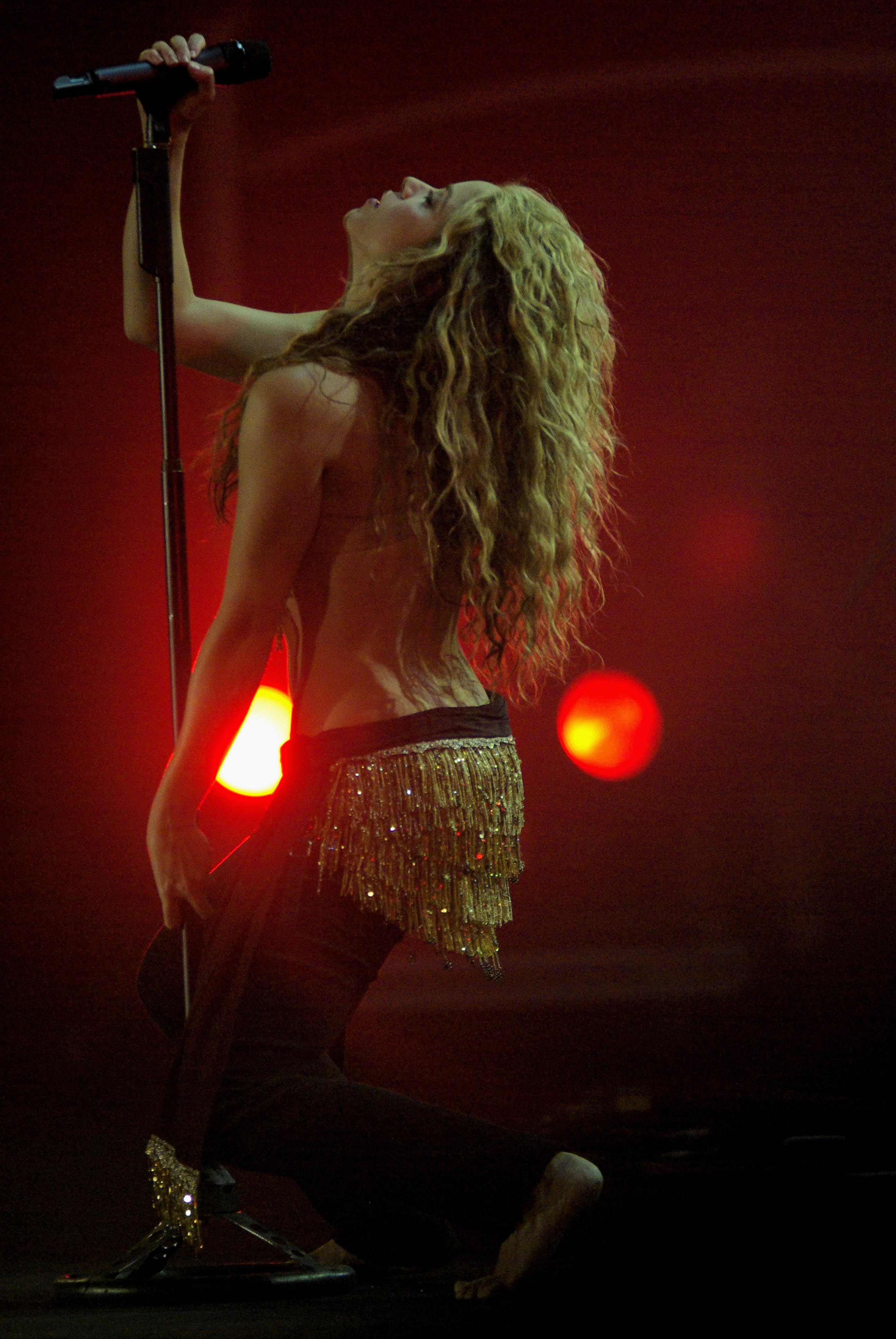
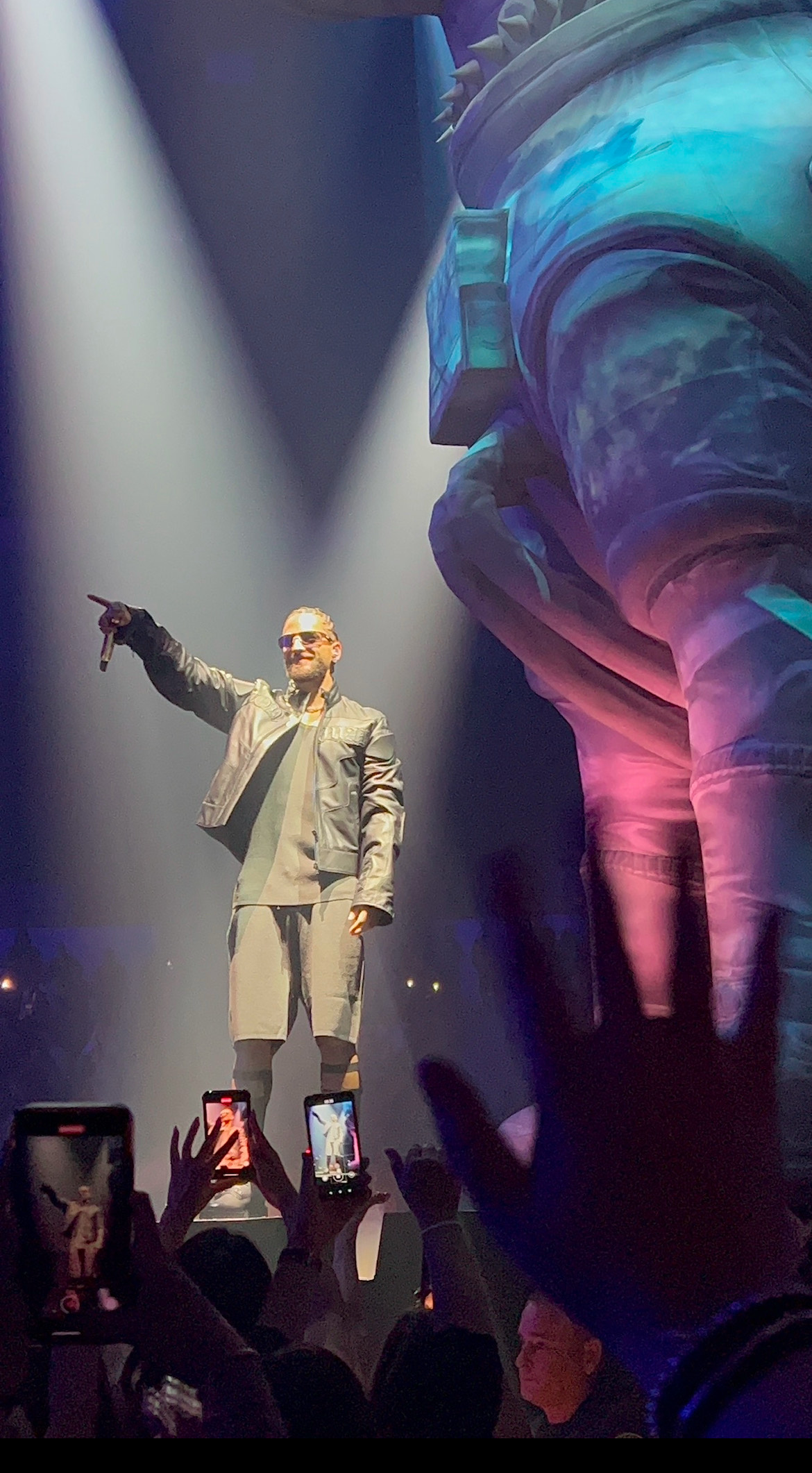
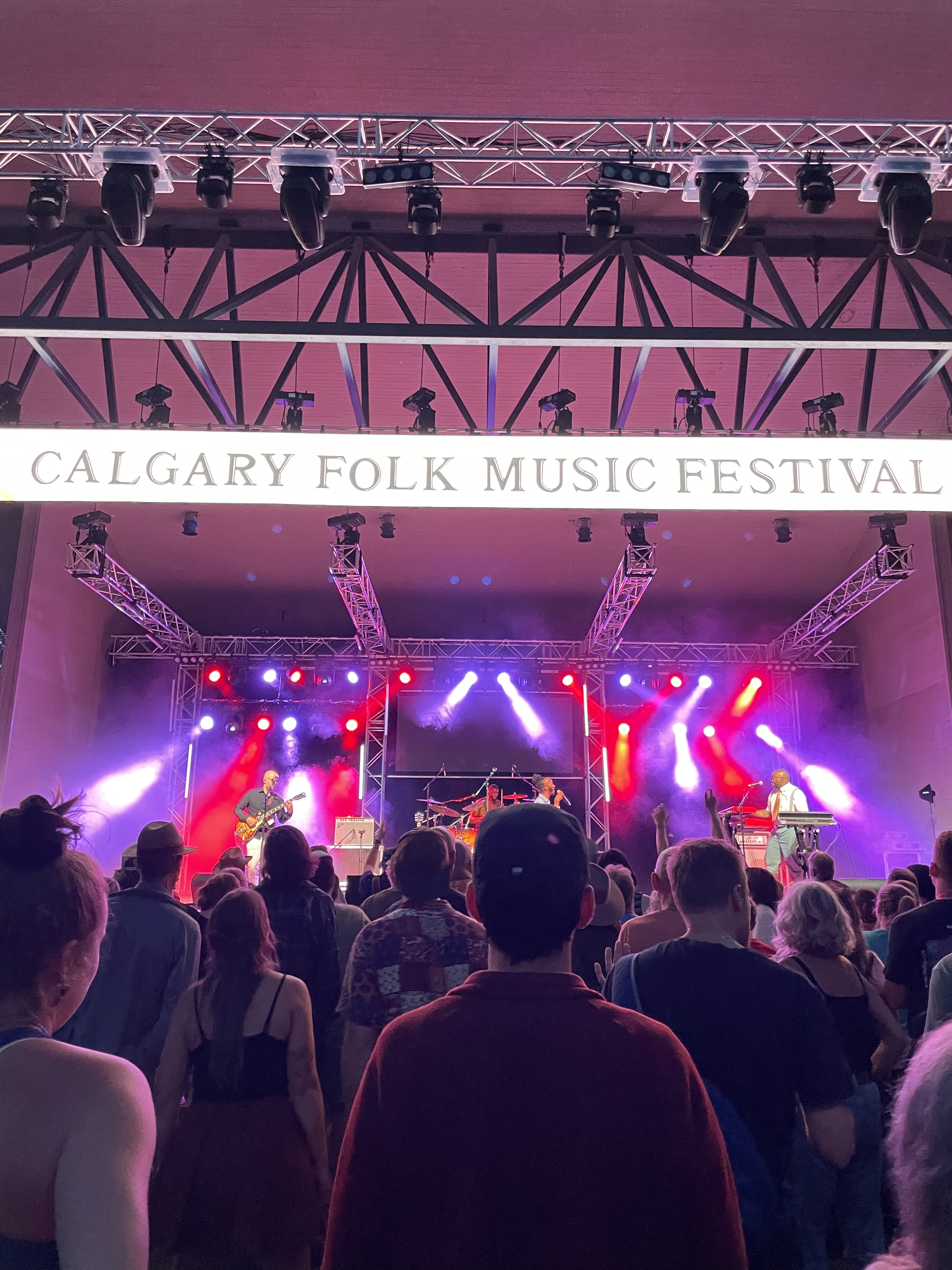
Music and fashion move in the same direction, then pull apart
Music gives fashion a rhythm. Fashion gives music a body. When a sound scene forms around a club, a neighborhood, a subculture, or a fan base, clothing becomes part of the scene’s membership test. The clothes do not just decorate the music; they help identify who belongs, who is watching, and who wants in.
That is why fashion history tends to change fastest in places where performance is highly visible. A stage costume does not need to be practical in the ordinary sense. It needs to be legible. Once that legibility catches on, designers, retailers, and everyday dressers begin translating it into something wearable. The translation is often slower than the music itself, but not by much.
| Era | Musical force | Fashion signal | What spread beyond the stage |
|---|---|---|---|
| 1920s jazz age | Dance halls, nightlife, new urban confidence | Dropped waists, shorter hems, beading, movement | Freedom of motion and a less restrictive silhouette |
| 1950s and 1960s rock and roll | Youth rebellion and amplified performance | Leather jackets, denim, slick hair, clean basics | Teen identity as a visible style category |
| Late 1970s punk | DIY anger, anti-establishment energy | Safety pins, torn fabric, tartan, black boots | Anti-fashion becoming fashion on purpose |
| 1980s and 1990s hip-hop | Street identity, video culture, brand visibility | Tracksuits, sneakers, gold jewelry, logo culture | Performance, status, and sportswear crossing into everyday dress |
The table is a simplification, of course. Real history is messier. But it captures the broad pattern: music scenes create visual rules, and fashion eventually packages those rules for wider use. The result is not a straight line. It is a cycle, and each new era borrows from the last while trying to look like a break from it.
1. The Jazz Age turned movement into style
In the 1920s, jazz did more than fill dance floors. It changed how bodies moved in public, and clothing had to keep up. The flapper image is useful here because it represents more than a dress; it represents a new idea of motion, nightlife, and social freedom. Dropped waists, lighter fabrics, and shorter hems all made sense in a culture that valued dancing and speed.
That shift is part of why jazz-era fashion still feels modern. It was not only decorative. It was functional in a social sense. The clothes made room for a different posture toward the world, one in which a woman could appear less constrained and more visibly present. A generation later, people still recognized the look as shorthand for a certain kind of modernity. That is how fashion history works: a practical change becomes a symbol, and the symbol outlives the original use.
The key point is not that jazz invented freedom. It is that jazz helped make freedom visible. When sound, movement, and dress line up, the style becomes memorable enough to survive the period that produced it. For readers who want a clean historical anchor, the flapper tradition remains one of the most cited examples of music shaping clothing rather than merely accompanying it.
2. Rock and roll made youth identity visible
By the 1950s and 1960s, rock and roll gave young people a sharper identity than the previous decade had offered. The music carried attitude, and the clothing carried it too. Leather jackets, jeans, white T-shirts, slim trousers, and exaggerated hair all signaled a break from polite adult dress. Elvis made the silhouette dramatic; later bands and solo acts refined it into a visual shorthand for cool.
Rock style mattered because it turned rebellion into a consumer category. What had looked disruptive in a photograph could be sold in a store the next season. Denim is a good example. It had workwear origins, but rock performers turned it into a symbol of youth, confidence, and a kind of casual refusal. Once that happened, the garment no longer belonged to one class or one job. It belonged to a mood.
The Beatles, the Rolling Stones, and later glam and arena acts each changed the equation a bit, but the mechanism stayed the same. Music created a crowd. The crowd created a look. The look spread because it promised belonging without requiring full conformity. That is a powerful trade, and fashion has been making it for decades.
3. Punk turned anti-fashion into a lasting code
Punk is where the music-fashion relationship became openly confrontational. If jazz loosened the silhouette and rock added youth rebellion, punk made refusal the point. Torn shirts, safety pins, hand-scrawled slogans, tartan, leather, studs, and blunt boots all worked as visual arguments against polish. The style said: this is not a costume of refinement. It is a refusal of refinement.
What makes punk so important is that the refusal itself became reproducible. Designers, photographers, and fans translated the look into a recognizable system, and that system survived long after the most chaotic local scenes faded. The Met’s fashion history on punk is useful precisely because it shows how a movement built on anger and improvisation still became one of the most studied visual languages in twentieth-century dress.
Punk also teaches a practical lesson: fashion does not need approval to spread. It only needs a clear enough outline. Once the outline is legible, magazines can photograph it, stores can imitate it, and new scenes can adapt it for their own use. A style that starts as disruption often survives because it is easy to recognize. That recognition is the doorway to repetition.
4. Hip-hop made branding part of the outfit
Hip-hop changed the conversation again in the 1980s and 1990s. The music did not just introduce another style; it clarified that clothing could be part of brand identity, geography, status, and community at the same time. Tracksuits, bucket hats, Kangol caps, oversized jackets, sneakers, heavy jewelry, and later luxury logos all became part of a visual vocabulary that was as deliberate as a verse.
Hip-hop fashion also accelerated because it traveled through several media at once. Live performance mattered, but so did music videos, album covers, magazine spreads, and street photography. That is why the style could move from neighborhood visibility to global influence so quickly. A look that first signaled local belonging could, after enough repetition, become a mainstream template for casual luxury and athletic confidence.
For a concise overview of how that shift developed, the Wikipedia entry on hip-hop fashion is a useful starting point. The larger lesson is more important than any single item: hip-hop made the logo, the sneaker, and the silhouette part of the message. Clothes were no longer only about taste. They were also about place, power, and self-definition.
There is a reason so much modern fashion still borrows from hip-hop. It offers both structure and flexibility. A tracksuit can read as comfort, status, sports culture, or defiance depending on context. That adaptability is exactly why the style survived and kept mutating.
5. Madonna, Bowie, and Cobain made the loop obvious
Some artists influence fashion because they create a whole new silhouette; others do it by showing that fashion can be edited, remixed, or deliberately destabilized. Madonna belongs in the first group and the second. Her style history moved through lace gloves, layered jewelry, corsetry, and a kind of calculated reinvention that made clothing feel modular. Fans did not just copy a Madonna outfit. They copied the idea that an outfit could be assembled as a statement.
David Bowie pushed the conversation further by treating image as a variable rather than a fixed identity. Ziggy Stardust, Aladdin Sane, the Thin White Duke, and his many other visual eras all demonstrated that fashion could carry theatrical intelligence without losing wearability. Bowie’s influence still shows up in tailoring, hair, color, and the willingness to blur masculine and feminine cues. He made style feel like a border worth crossing.
Kurt Cobain moved in the opposite direction, but the effect was just as strong. Grunge did not offer glamour in the traditional sense. It offered thrift, looseness, indifference, and a sense that clothing could reject polish and still become iconic. The Wikipedia overview of grunge fashion helps explain why oversized flannels, cardigans, worn denim, and mismatched layering turned into a widely imitated look. The paradox is familiar by now: the more a style insists that it does not care, the more likely it is to be copied.
These icons matter because they condense an era into a readable image. Most people do not remember every lyric or every interview. They remember the silhouette. That is why fashion historians keep returning to artists like Madonna, Bowie, and Cobain. Their looks were not just decorative. They were portable summaries of a cultural mood.
What fashion experts usually point to
Asked to explain why music keeps changing clothing, fashion historians tend to circle the same few ideas. First, performance creates clarity. A stage look has to read instantly, so it often strips away ambiguity. Second, repetition matters. A style does not become influential because it appears once; it becomes influential because it appears often enough to become recognizable. Third, adoption happens when the look can be translated outside the original scene.
That last point is the most important. A powerful stage outfit may be visually exciting, but if it cannot be simplified, retailed, and worn in daily life, it usually stays inside the fan base. When a look can be translated, the market notices. Once the market notices, fashion history starts to change faster than the people in the original scene may want.
There is also a quieter expert insight that is easy to miss: clothing spreads best when it tells a story the wearer can explain in one sentence. A flapper dress says movement. A punk jacket says resistance. A hip-hop tracksuit says confidence. A grunge cardigan says anti-glamour, which is still a kind of glamour if you let the irony sit long enough. Clothes that carry an understandable message travel farther than clothes that only look expensive.
That principle is why museum essays, fashion archives, and careful historical writing are worth reading. They show that style is rarely random. It usually has a scene, a reason, and a set of tools for becoming repeatable. For readers who want to compare the eras side by side, this site’s blog is the easiest place to keep following the thread.
A useful curator-level takeaway appears in both the Metropolitan Museum’s punk overview and Britannica’s flapper history: once a scene makes a look easy to recognize, that look can be carried far beyond its original setting. The clothes do not need to stay radical forever; they only need to become legible long enough for the next audience to copy them.
Why the cycle still matters now
Today the music-fashion loop moves faster because the image travels faster. A tour outfit can become a meme, a streetwear reference, a resale trend, and a festival uniform in a very short time. Social platforms compress the old pipeline. What once took a season now takes a week. The underlying mechanism has not changed, but the speed has.
That speed creates a new problem for editors, archivists, and anyone trying to track visual culture at scale: there is simply more material to sort. In practical workflow terms, that is one reason some publishers and operations teams look at services such as AI consulting services when they need to think through research, tagging, and repeatable editorial systems. The point is not to automate taste. The point is to make the tracking of taste less chaotic.
The deeper cultural question remains the same. What makes a look stick? Usually not novelty alone. It is recognizability, adaptability, and the promise that wearing the style will say something meaningful about the wearer. Music keeps supplying those signals because music itself is social. It gathers people into rooms, scenes, feeds, and memories, then leaves a visual residue behind.
If you want a practical way to spot the next crossover, watch for three things: a performer who has a stable visual silhouette, a fan base that repeats it, and a media environment that turns the repetition into common knowledge. When those three align, fashion usually follows.
Merchandise makes that process even easier to see. A shirt, cap, or jacket tied to a tour can move faster than a runway trend because it already comes with a built-in story. Fans do not have to invent the meaning; the music gives it to them. That is one reason concert style, festival dressing, and streetwear keep blending together. The look is no longer just a look. It is a memory of being in the room, or at least wanting to be there.
Photography matters too. A single image can turn an otherwise complicated visual idea into a repeatable template. That is why style spreads through magazines, posters, social feeds, and fan archives so efficiently. The music may be temporal, but the image is portable. Fashion borrows the image, then teaches it how to live longer than the song that inspired it.
Conclusion: music never just plays in the background
The history is less mysterious than it first appears. Jazz helped loosen the body. Rock and roll gave youth a visible uniform. Punk turned refusal into design. Hip-hop turned identity and branding into part of the outfit. Madonna, Bowie, and Cobain each showed that an artist’s visual language can be as influential as the music itself.
So when people ask whether music influences fashion, the cleaner answer is yes, but with a caveat: fashion also influences how music is remembered. The two keep rewriting one another. That is why the relationship feels so durable. It is not a side effect. It is part of the culture’s operating system.
For more related reading, browse the About page to learn what this site covers, or use the Contact page if you have a topic suggestion or a historical style question worth following up. The next useful trend is usually hiding in the last one.
Key takeaways
- Music scenes create visible style codes that fashion can repeat and adapt.
- Iconic performers matter because they compress an era into one readable image.
- Rebellion often becomes mainstream once the look is easy to recognize and translate.
- Modern platforms have shortened the time between stage style and street style.