Big music festivals are fun, but the difference between a great weekend and a long, sticky one usually comes down to planning.
What time should you arrive? What do you actually need to pack? How do you keep your place in a crowd without turning the day into a scavenger hunt for water, shade, and a phone charger? And, perhaps most important, how do you leave room for the music instead of spending the whole day solving avoidable problems?
“Music is the shorthand of emotion.”
Leo Tolstoy
That is the spirit of a good festival day: the music should do the heavy lifting, while your preparation quietly handles the rest. If you want a sensible place to start, I suggest reading the basics on outdoor heat safety from the CDC’s extreme heat guidance and the practical heat tips from the National Weather Service. Those two pages cover the kind of conditions that can turn a breezy day into a much longer one than planned.
In this guide, I will walk through what to expect at a music festival, how to pack without overpacking, how to move through crowds with less stress, and how to enjoy the performances without burning out by mid-afternoon. I will also translate the festival lingo so you do not have to pretend you already know what “GA” means while you are clutching a paper map and a granola bar.
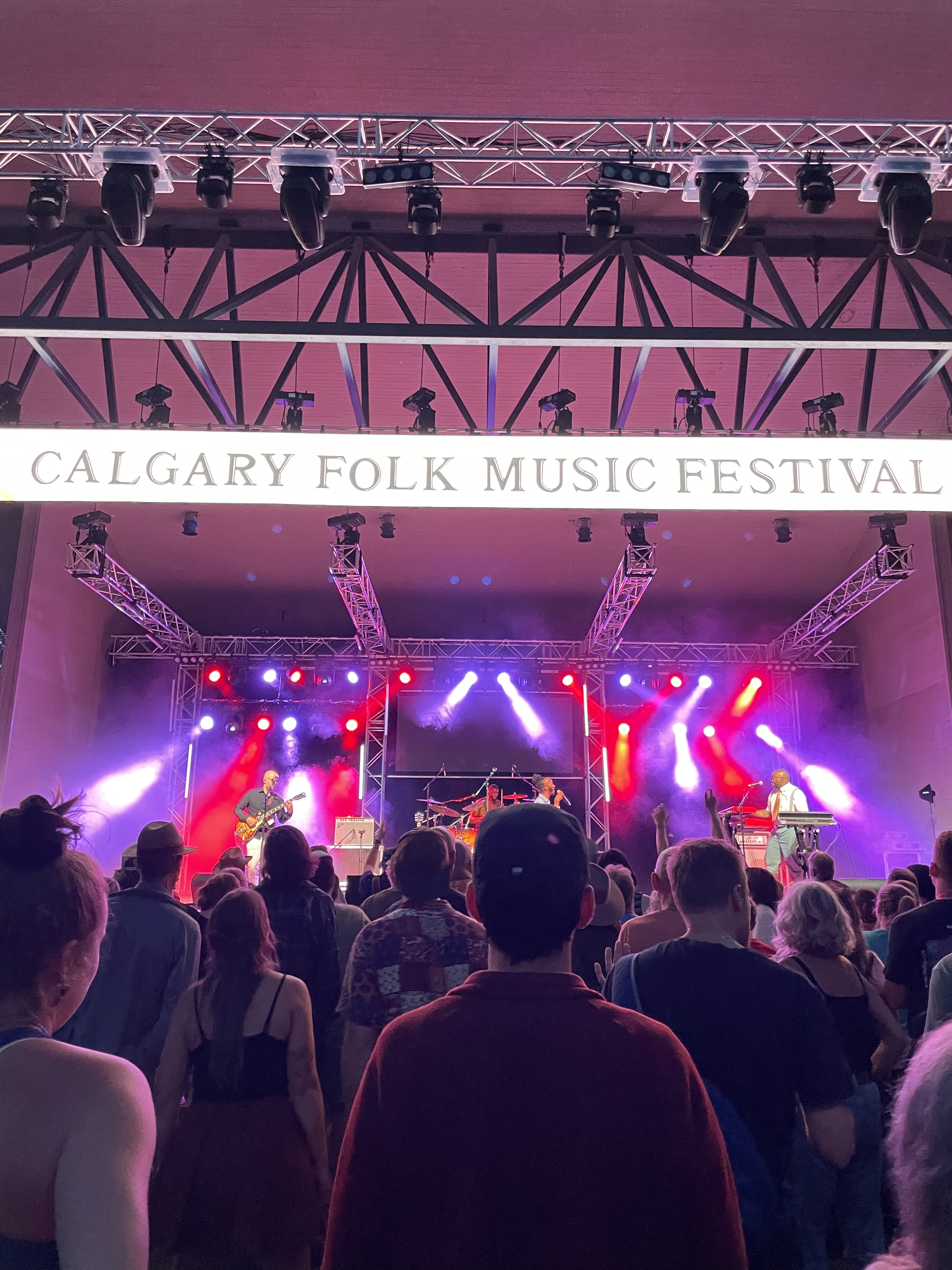
What a festival weekend usually feels like
Popular music festivals come in a few familiar shapes. Some are one-day city events with a handful of stages. Others are full weekend destinations with camping, shuttle buses, late-night sets, and enough food stalls to make your usual lunch decision process look very dignified by comparison. The scale matters because your plan should match the scale.
A small festival may let you arrive close to showtime, keep a compact bag, and walk between stages in minutes. A larger event often needs earlier arrival, a more careful schedule, and more attention to the basics: water, shade, shoes that will not punish you after hour four, and a meeting point if your group drifts apart. The right festival is not the one with the loudest poster. It is the one whose pace fits how you like to spend a day outside.
I like to think of a festival as a small temporary city that happens to have a soundtrack. That means it comes with city-like needs: directions, rest stops, food, toilets, transport, and a rough sense of timing. Once you accept that, the day becomes easier to plan and much easier to enjoy.
One-day events vs. full weekend festivals
Here is a simple way to compare them.
| Festival type | What it usually means | Best approach |
|---|---|---|
| One-day city festival | Shorter line-up, tighter schedule, less gear | Pack light, arrive on time, and pick your must-see acts early |
| Weekend destination festival | Multiple stages, long days, possible camping or shuttle travel | Plan for heat, rest, backup power, and a slower pace |
| Genre-specific festival | Highly focused audience and set list style | Study the schedule so you can move between stages without rushing |
| Local neighborhood festival | Smaller crowds and simpler logistics | Use it as a gentle first festival if you are new to the scene |
That last category is often the best starting point. You get the feeling of a festival without immediately enrolling in the advanced course called “four stages, one parking lot, and a blistering sun.”
Festival terms worth knowing before you go
Festival language can be surprisingly casual for something that affects your entire day. A few terms are worth learning before you leave home:
| Term | Plain meaning |
|---|---|
| GA | General admission, usually the standard entry area without special access |
| Set time | The scheduled time an artist is expected to perform |
| Stage | The area where a performance happens; big festivals may have several |
| Vendor village | The food, merch, and service area where you buy things and take a break |
| Shuttle | Shared transport between parking, hotels, transit points, or the venue |
| Hydration station | A refill point for water bottles or cups |
| Bag policy | The venue rules about what size and type of bag you can bring in |
Before you change anything else in your plan, read the venue rules. I mean that literally. A cheerful festival bag can become a very expensive storage problem if it does not match the policy.
If you want one more practical reference, the Red Cross heat-wave safety tips are useful because they focus on the sort of plain decisions people actually have to make: when to rest, when to cool down, and how to keep an eye on warning signs.
What to pack before you leave
The simplest packing rule is this: bring what makes your day safer, drier, and less annoying. You do not need to pack for a survival film. You do need to pack for sun, noise, lines, and long walks between stages.
The NIOSH guidance on noise and hearing loss is worth reading if you are tempted to treat earplugs as optional. Loud music can be part of the joy of a festival, but your ears should not have to file a complaint after the encore.
A festival-day packing list
- Ticket or wristband confirmation so entry does not become a scavenger hunt.
- Government ID if the venue or age-restricted areas require it.
- Phone and charger, preferably with a power bank if the event allows it.
- Reusable water bottle if permitted, so hydration is not tied to buying another plastic bottle every hour.
- Cash and card, because some vendors are flexible and some are not.
- Sun protection such as sunscreen, sunglasses, and a hat.
- Ear protection, ideally filtered plugs for longer sets.
- Light layer or rain shell for weather that cannot decide what it wants to do.
- Comfortable shoes that can handle standing, walking, and a little dust.
- Small personal items like tissues, pain reliever if appropriate for you, and any medications you need.
- Compact snack if the rules allow it, because hunger has a way of making every line feel philosophical.
The important part is not the number of items. It is the tradeoff. Every item should earn its place by solving a real problem. If a thing does not protect you from heat, noise, thirst, hunger, or a dead phone, leave it behind.
A simple pack-by-priority order
- Entry essentials: ticket, ID, phone.
- Safety essentials: water, sun protection, earplugs, meds.
- Comfort essentials: shoes, layer, snacks, charger.
- Convenience extras: wipes, small cash, portable seat if allowed.
If you are traveling, add your transport details, hotel confirmation, and a backup way to reach your group. Festivals are not the place to discover that your battery life is optimistic by design.
How to handle crowds, heat, and timing
This is where festivals become less about the poster and more about the choreography. Once the crowds thicken, the experience depends on small decisions: when you arrive, where you rest, how you move, and whether you are willing to sit down for ten minutes before you need the break.
Arrive with a plan, not just hope
Look at the map before you leave. Find the main entrance, water stations, bathrooms, shade, first aid, and the two or three stages that matter most to you. If your group is splitting up for different sets, choose a meeting point that is easy to describe and hard to miss. “Under the giant inflatable banana near Stage B” may sound funny in the moment, but simple landmarks work better than vibes.
I also recommend deciding on one thing you will not do. For example: you will not run across the venue for an act you barely know while skipping water and lunch. That is how a day becomes a cautionary tale.
Use the weather as part of the schedule
Heat is not a side note. It is part of the event. The National Weather Service heat safety guidance is useful because it reminds you to think about timing, shade, and rest before you are already overheated. Start with the afternoon sun in mind. If the biggest act is late in the day, use the early hours to wander, eat, and settle in instead of sprinting from stage to stage.
If the forecast changes, adjust the plan. A little rain does not have to ruin the day, but a soaked shirt, slippery path, and cold wind can drain your energy fast. Carry what the venue allows, and make sure your group knows where to regroup if the weather gets messy.
Watch the crowd, not just the stage
Some people love the rail. Some prefer a few rows back where the view is still good and the breathing is easier. Neither choice is better in the abstract. The better choice is the one that keeps you comfortable enough to stay present.
- If you want a full-stage view, stay a little back and avoid the crush near the front.
- If you want photos, take a few, then put the phone away and watch the set.
- If you need a break, step out early rather than waiting until you are already uncomfortable.
- If your group is large, split attendance between must-see acts so nobody feels dragged around all day.
One small but powerful habit: keep your water bottle, wallet, and phone in the same place every time you use them. In a crowd, consistency beats cleverness.
Know when to pause
Good festival days have rest built into them. Sit down between sets. Eat before you are starving. Find shade before the heat starts punishing you for underestimating the sun. If you are feeling lightheaded, unusually tired, or confused, stop and get help. That is not overreacting. That is good judgment doing its job.
For a calm checklist of what to look for when heat starts becoming a problem, the Red Cross heat safety page above is a useful reset button. It is practical in exactly the way festival advice should be.
How to enjoy the performances without burning out
The best festival memory is usually not “I stood in one exact spot for nine hours and proved something.” It is a set of good choices that let you enjoy the music without paying for it the next day.
Pick your priorities early
Make a short list of the acts you care most about. Then decide which ones are non-negotiable and which ones are “nice if the day works out.” That distinction helps you stay flexible. Festivals reward people who can adapt when set times shift, a line runs long, or a friend needs to recharge.
Do not try to make every performance the headline. That is a quick route to fatigue. Leave space for discovery. The fun of a festival is that you might wander into a set you did not plan for and leave with a new favorite song, or at least a story that sounds better with each retelling.
Balance energy and attention
Three habits make a big difference:
- Pace your movement. Walk between stages instead of power-walking like the schedule owes you money.
- Choose your standing position wisely. Near the front is exciting; a little back is often more sustainable.
- Keep the phone use intentional. A few photos are fine. Spending half the set on the camera screen is a tradeoff, not a victory.
If you are with friends, agree on a loose rule before the show starts. For example, everyone gets the first few songs near the stage, then the group drifts to a more comfortable spot. Small agreements prevent large amounts of unspoken frustration.
Use the festival’s own tools
Most festivals publish maps, lineups, bag rules, and set-time updates. Use them. Read them before you go, and check them again on the day. A ten-minute scan can save an hour of confusion. If you want a real-world example of how a major event organizes its public information, the official Coachella site is a useful model for how schedules, policies, and practical details can live in one place. This is also where the little planning details matter most: a shuttle timetable, a late food vendor, a quiet area, or a water refill point can change how the whole day feels.
If the festival has an app, great. If not, a saved screenshot of the map and lineup is enough to keep your battery from doing all the work.
Remember the ears
Festival audio is supposed to be powerful. It is not supposed to leave you with a ringing souvenir. That is why I keep returning to the NIOSH noise guidance. Earplugs are a small item that buy a large amount of comfort. They are especially useful if you plan to stay near the stage for multiple acts or if you know you are sensitive to loud sound.
You do not have to choose between loving the music and protecting your hearing. That is a false choice, and one that your future self would like to decline politely.
Conclusion: start small, then scale up
If this is your first festival, my practical recommendation is simple: begin with a smaller event, pack with the weather in mind, and give yourself permission to rest. A festival should feel exciting, not like a test you did not register for. Once you learn how you handle the pace, crowd size, and daylight, it gets much easier to pick the right event next time.
For readers who want more practical reading, the blog index is a good place to keep going, the About page explains the site’s purpose, and the Contact page is there if you want to send feedback or ask a question. That is the neat part of a good plan: it leaves room for the music and for the next sensible step.
Festival day, at its best, is just a series of manageable decisions made early. If you know the terms, pack the right things, respect the heat, and give yourself breathing room between sets, you will have a much better chance of leaving with sore feet, a full camera roll, and a happy memory instead of a cautionary tale.
Which kind of festival should you try first?
If you are choosing your first event, I would start with the simplest version that still sounds exciting. A local day festival gives you the atmosphere without the overnight logistics. A genre-specific festival gives you focused music and a clear audience vibe. A big destination weekend is best saved for when you already know how you handle long days, heat, and lots of walking. That is not a limitation. It is just good sequencing.
There is also a quiet benefit to starting small: once you understand what drains you, what energizes you, and what helps you reset, festival planning becomes much easier. You stop packing for an imaginary person and start packing for the actual day in front of you. That is usually when the whole thing gets more fun.
- Know the lineup and the map before you arrive.
- Pack for heat, noise, water, and long walks.
- Choose a pace you can actually keep.
- Use rest, shade, and hearing protection without apology.
- Leave room for a surprise set or two.