Music has always chased better ways to create, capture, and share sound. What’s different now is the pace and the toolchain—software, streaming infrastructure, and data-driven discovery are reshaping the entire industry.
If you’ve ever wondered why every release sounds different than it did a decade ago, or how artists reach listeners in a world of algorithmic feeds, you’re in the right place. As the Recording Industry Association of America (RIAA) notes in its overview of recorded-music trends, distribution and technology changes have always been tightly linked to how consumers access music, not just how music is made (RIAA industry data).
In the sections below, you’ll get a practical, high-level look at what’s changed in music production, distribution, and consumption—and what to watch next. For background on how digital audio technology is evolving (including formats and signal processing concepts), the Digital audio overview is a solid starting point.
By the end, you’ll be able to explain the tradeoffs behind modern tools—so you can make better choices whether you’re creating music, running a music-related website, or just trying to understand what’s going on.
Quick questions this article answers
What technologies are most responsible for today’s sound and workflow?
How do modern distribution platforms affect who finds an audience?
What changes are coming in the near future (and what’s hype)?
Why do these shifts matter to listeners as well as creators?
Overview of technological advancements
Music technology now spans the full pipeline:
Creation: digital audio workstations (DAWs), virtual instruments, and production plugins.
Recording: better microphones, audio interfaces, and room-correction tools.
Editing: time/pitch tools, automated cleanup, and smarter mastering workflows.
Release: metadata standards, rights management workflows, and streaming delivery systems.
Discovery: recommendation engines, curated playlists, and context-aware listening.
A useful way to think about it: each stage used to be limited by hardware costs and specialized labor. Today, that friction is lower—so experimentation moves faster.
Impact on music production
1) DAWs and “producer-style” recording
DAWs turned studios into software-driven workspaces. Instead of capturing everything perfectly in one take, creators can build tracks layer by layer, audition options quickly, and iterate without booking expensive studio time.
This doesn’t eliminate musicianship—it changes the craft. Arrangement, editing decisions, and sound design become as important as performance.
2) Virtual instruments and sound design
Modern sample libraries and synthesizers make it easier to explore textures that would be hard or costly to record. For many artists, the “instrument” is now as much a software choice as it is a physical one.
Tradeoff: virtual tools broaden possibilities, but they also raise the bar for sound selection and mixing choices.
3) Automation in editing and mastering
Automated cleanup, normalization, and mastering assistants can speed up repetitive tasks. Many creators use these tools to get a solid starting point—then apply human listening and taste to finalize.
For readers who want a reference point on how audio levels and loudness are discussed publicly, Wikipedia’s Loudness page offers a readable overview.
Changes in music distribution
1) Streaming as the default storefront
Instead of albums landing primarily in physical or download formats, many listeners now encounter tracks inside streaming apps. That shifts the value of release timing, promotion pacing, and catalog strategy.
Metadata also matters more than it used to. Correct credits, artwork, and identifiers help ensure the right music appears in the right places.
2) Playlist and algorithm effects
Discovery is increasingly shaped by recommendation systems. A track’s early performance signals—such as saves, skips, repeats, and search behavior—can influence how broadly it is surfaced.
This can be empowering (new artists can be found faster), but it also creates a feedback loop. If you’re releasing music, it’s worth understanding that “visibility” is a system, not a single lucky moment.
3) Global reach with standardized delivery
Digital distribution makes international release much easier than in the era of label-centric manufacturing and shipping. In practice, it also means artists must think about global audiences, not only local scenes.
Future trends in music technology
1) More immersive listening
From spatial audio concepts to improved mixing workflows, immersive experiences are likely to become more common—especially as hardware support spreads.
2) AI-assisted creativity (with guardrails)
AI tools are already being used for tasks like transcription, stem separation, and idea generation. The likely future isn’t “AI replaces musicians.” It’s more realistic that AI becomes a utility layer—helpful for drafts and workflows, while human judgment stays crucial.
If you’re evaluating AI features, a practical question is: what part of the workflow becomes faster without reducing creative control?
3) Better audience analytics—and better ethics
Analytics can help creators understand what listeners respond to. But the more data-driven the pipeline becomes, the more important it is to keep interpretation responsible and avoid treating numbers as the only truth.
For a general overview of how algorithms can be evaluated and discussed in public policy contexts, the EFF on algorithmic transparency is a credible explainer.
Conclusion and reflections
Technology is reshaping music in three connected ways: it changes how tracks are built, how they’re distributed, and how they’re discovered. The biggest practical lesson is that modern music success involves more than recording quality—it’s also workflow choices, metadata hygiene, and understanding audience discovery systems.
If you run a music-focused site and want a steady way to publish useful updates, explore the blog index for more music-and-tech explainers—or reach out through contact when you need help planning content that serves listeners (not just algorithms).
If music feels like it’s happening around you, not for you, you’re in the right place. Music theory can turn that “I just know it sounds right” feeling into something you can explain—and use.
When you search for music theory, you usually ask a few practical questions:
What do notes, scales, and chords actually mean?
Why do some songs sound “happy” or “tense”?
How do I read music without getting lost?
Where should I start if I’m totally new?
That confusion is normal. Even major reference sources note that music notation and theory are systems—helpful tools for communication, analysis, and composition—rather than magic secrets. The same idea shows up in music theory overviews and in practical guidance on reading notation from music notation basics resources.
In this guide, I’ll walk you through what music theory is, the key terminology you’ll see in lessons and charts, why it matters for musicians, and a short list of reliable places to keep learning—without drowning you in jargon.
What is music theory?
Music theory is the set of concepts and vocabulary used to describe how music works—how notes relate, how rhythm is organized, how harmony creates tension and release, and how melodies form phrases.
Think of it like a map. You don’t need a map to enjoy a trip, but it helps you understand where you are, how roads connect, and what to try next.
Key concepts and terminology
Here are the building blocks you’ll hear about most often. Don’t worry about memorizing everything at once—get comfortable with the idea, then the label.
Notes and pitch
Pitch is how high or low a sound is. Notes are names we give to specific pitch levels so musicians can communicate.
Rhythm, beat, and meter
Rhythm is the pattern of sounds and silences over time. A beat is a steady pulse you can count. Meter is how beats are grouped (for example, in patterns you might hear as “1-2-3-4”).
Scales
A scale is an ordered set of notes. Scales give songs a “home base” for melody and harmony.
Intervals
An interval is the distance between two notes (for example, “from C to G”). Intervals are a shortcut for understanding why certain combinations feel stable, bright, dark, tense, or resolved.
Chords and harmony
A chord is typically several notes played together. Harmony is the way chords move and interact over time.
Tension and resolution
One of the most useful “why does it sound like that?” ideas in theory is tension and resolution. Many musical styles create a sense of expectation (tension) and then satisfy it (resolution) as the music progresses.
Importance of music theory for musicians
Music theory matters because it gives you practical leverage. Once you understand the basics, you can:
Learn songs faster: chord names and patterns help you predict what comes next.
Write and improvise with intention: you can choose a key, build a melody on a scale, and shape progressions.
Communicate clearly: instead of “it sounds weird,” you can say what changed—rhythm, harmony, or voice leading.
Spot what makes a sound work: you can reproduce the feel even if you can’t copy the exact notes.
If you’re deciding where to start, it helps to pick goals first. For example: do you want to read sheet music, understand chords, or improve improvisation? Theory can support all of those, but the path looks different.
Resources for further learning
Here are some dependable ways to keep going. Look for explanations, not just drills.
For additional reading on how to learn things step-by-step, you can also browse our blog, and if you want help related to your website setup or content workflow, contact us.
Conclusion and encouragement
You don’t have to “be good at math” to learn music theory. You just need a steady approach: learn one concept, apply it to a song, and then name what you heard.
Your next practical step: pick one topic from this guide (notes, rhythm, scales, intervals, or chords). Find a song you like, and listen specifically for that one idea while you read along with the vocabulary.
If you keep it simple, music theory stops being a wall of terms and becomes a set of tools you can actually use.
Key takeaways:
Music theory is a communication and understanding system for how music works.
Start with the basics: notes, rhythm, scales, intervals, and chords.
The real value is what it unlocks: faster learning, clearer communication, and more intentional creativity.
Keep moving forward with reliable resources and one small goal at a time.
Big music festivals are fun, but the difference between a great weekend and a long, sticky one usually comes down to planning.
What time should you arrive? What do you actually need to pack? How do you keep your place in a crowd without turning the day into a scavenger hunt for water, shade, and a phone charger? And, perhaps most important, how do you leave room for the music instead of spending the whole day solving avoidable problems?
“Music is the shorthand of emotion.”
Leo Tolstoy
That is the spirit of a good festival day: the music should do the heavy lifting, while your preparation quietly handles the rest. If you want a sensible place to start, I suggest reading the basics on outdoor heat safety from the CDC’s extreme heat guidance and the practical heat tips from the National Weather Service. Those two pages cover the kind of conditions that can turn a breezy day into a much longer one than planned.
In this guide, I will walk through what to expect at a music festival, how to pack without overpacking, how to move through crowds with less stress, and how to enjoy the performances without burning out by mid-afternoon. I will also translate the festival lingo so you do not have to pretend you already know what “GA” means while you are clutching a paper map and a granola bar.
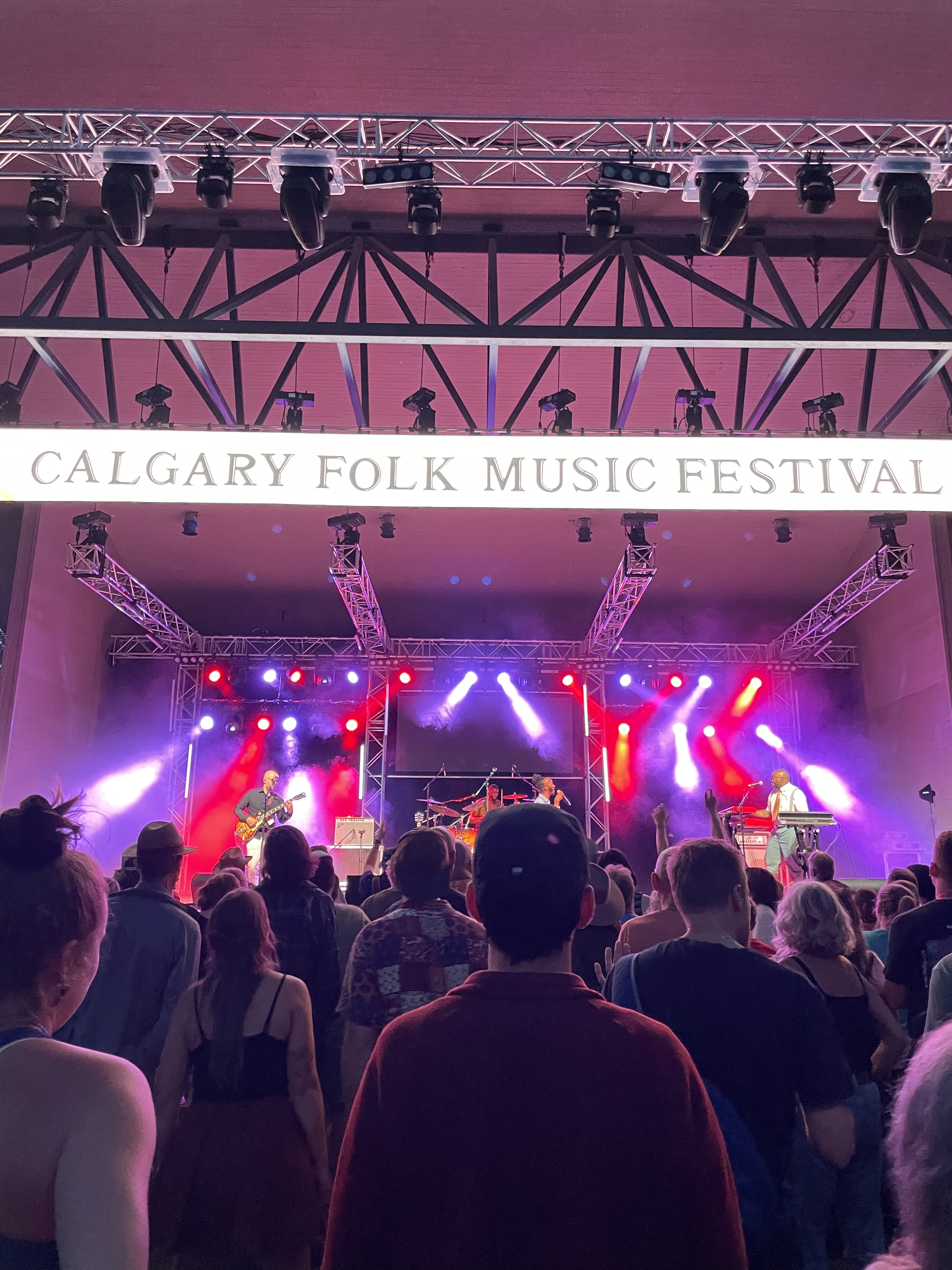
A packed crowd is a reminder to plan for heat, water, and clear meet-up points before the music starts.
What a festival weekend usually feels like
Popular music festivals come in a few familiar shapes. Some are one-day city events with a handful of stages. Others are full weekend destinations with camping, shuttle buses, late-night sets, and enough food stalls to make your usual lunch decision process look very dignified by comparison. The scale matters because your plan should match the scale.
A small festival may let you arrive close to showtime, keep a compact bag, and walk between stages in minutes. A larger event often needs earlier arrival, a more careful schedule, and more attention to the basics: water, shade, shoes that will not punish you after hour four, and a meeting point if your group drifts apart. The right festival is not the one with the loudest poster. It is the one whose pace fits how you like to spend a day outside.
I like to think of a festival as a small temporary city that happens to have a soundtrack. That means it comes with city-like needs: directions, rest stops, food, toilets, transport, and a rough sense of timing. Once you accept that, the day becomes easier to plan and much easier to enjoy.
One-day events vs. full weekend festivals
Here is a simple way to compare them.
Festival type
What it usually means
Best approach
One-day city festival
Shorter line-up, tighter schedule, less gear
Pack light, arrive on time, and pick your must-see acts early
Weekend destination festival
Multiple stages, long days, possible camping or shuttle travel
Plan for heat, rest, backup power, and a slower pace
Genre-specific festival
Highly focused audience and set list style
Study the schedule so you can move between stages without rushing
Local neighborhood festival
Smaller crowds and simpler logistics
Use it as a gentle first festival if you are new to the scene
That last category is often the best starting point. You get the feeling of a festival without immediately enrolling in the advanced course called “four stages, one parking lot, and a blistering sun.”
Festival terms worth knowing before you go
Festival language can be surprisingly casual for something that affects your entire day. A few terms are worth learning before you leave home:
Term
Plain meaning
GA
General admission, usually the standard entry area without special access
Set time
The scheduled time an artist is expected to perform
Stage
The area where a performance happens; big festivals may have several
Vendor village
The food, merch, and service area where you buy things and take a break
Shuttle
Shared transport between parking, hotels, transit points, or the venue
Hydration station
A refill point for water bottles or cups
Bag policy
The venue rules about what size and type of bag you can bring in
Before you change anything else in your plan, read the venue rules. I mean that literally. A cheerful festival bag can become a very expensive storage problem if it does not match the policy.
If you want one more practical reference, the Red Cross heat-wave safety tips are useful because they focus on the sort of plain decisions people actually have to make: when to rest, when to cool down, and how to keep an eye on warning signs.
What to pack before you leave
The simplest packing rule is this: bring what makes your day safer, drier, and less annoying. You do not need to pack for a survival film. You do need to pack for sun, noise, lines, and long walks between stages.
The NIOSH guidance on noise and hearing loss is worth reading if you are tempted to treat earplugs as optional. Loud music can be part of the joy of a festival, but your ears should not have to file a complaint after the encore.
A festival-day packing list
Ticket or wristband confirmation so entry does not become a scavenger hunt.
Government ID if the venue or age-restricted areas require it.
Phone and charger, preferably with a power bank if the event allows it.
Reusable water bottle if permitted, so hydration is not tied to buying another plastic bottle every hour.
Cash and card, because some vendors are flexible and some are not.
Sun protection such as sunscreen, sunglasses, and a hat.
Ear protection, ideally filtered plugs for longer sets.
Light layer or rain shell for weather that cannot decide what it wants to do.
Comfortable shoes that can handle standing, walking, and a little dust.
Small personal items like tissues, pain reliever if appropriate for you, and any medications you need.
Compact snack if the rules allow it, because hunger has a way of making every line feel philosophical.
The important part is not the number of items. It is the tradeoff. Every item should earn its place by solving a real problem. If a thing does not protect you from heat, noise, thirst, hunger, or a dead phone, leave it behind.
A simple pack-by-priority order
Entry essentials: ticket, ID, phone.
Safety essentials: water, sun protection, earplugs, meds.
Convenience extras: wipes, small cash, portable seat if allowed.
If you are traveling, add your transport details, hotel confirmation, and a backup way to reach your group. Festivals are not the place to discover that your battery life is optimistic by design.
How to handle crowds, heat, and timing
This is where festivals become less about the poster and more about the choreography. Once the crowds thicken, the experience depends on small decisions: when you arrive, where you rest, how you move, and whether you are willing to sit down for ten minutes before you need the break.
Arrive with a plan, not just hope
Look at the map before you leave. Find the main entrance, water stations, bathrooms, shade, first aid, and the two or three stages that matter most to you. If your group is splitting up for different sets, choose a meeting point that is easy to describe and hard to miss. “Under the giant inflatable banana near Stage B” may sound funny in the moment, but simple landmarks work better than vibes.
I also recommend deciding on one thing you will not do. For example: you will not run across the venue for an act you barely know while skipping water and lunch. That is how a day becomes a cautionary tale.
Use the weather as part of the schedule
Heat is not a side note. It is part of the event. The National Weather Service heat safety guidance is useful because it reminds you to think about timing, shade, and rest before you are already overheated. Start with the afternoon sun in mind. If the biggest act is late in the day, use the early hours to wander, eat, and settle in instead of sprinting from stage to stage.
If the forecast changes, adjust the plan. A little rain does not have to ruin the day, but a soaked shirt, slippery path, and cold wind can drain your energy fast. Carry what the venue allows, and make sure your group knows where to regroup if the weather gets messy.
Watch the crowd, not just the stage
Some people love the rail. Some prefer a few rows back where the view is still good and the breathing is easier. Neither choice is better in the abstract. The better choice is the one that keeps you comfortable enough to stay present.
If you want a full-stage view, stay a little back and avoid the crush near the front.
If you want photos, take a few, then put the phone away and watch the set.
If you need a break, step out early rather than waiting until you are already uncomfortable.
If your group is large, split attendance between must-see acts so nobody feels dragged around all day.
One small but powerful habit: keep your water bottle, wallet, and phone in the same place every time you use them. In a crowd, consistency beats cleverness.
Know when to pause
Good festival days have rest built into them. Sit down between sets. Eat before you are starving. Find shade before the heat starts punishing you for underestimating the sun. If you are feeling lightheaded, unusually tired, or confused, stop and get help. That is not overreacting. That is good judgment doing its job.
For a calm checklist of what to look for when heat starts becoming a problem, the Red Cross heat safety page above is a useful reset button. It is practical in exactly the way festival advice should be.
How to enjoy the performances without burning out
The best festival memory is usually not “I stood in one exact spot for nine hours and proved something.” It is a set of good choices that let you enjoy the music without paying for it the next day.
Pick your priorities early
Make a short list of the acts you care most about. Then decide which ones are non-negotiable and which ones are “nice if the day works out.” That distinction helps you stay flexible. Festivals reward people who can adapt when set times shift, a line runs long, or a friend needs to recharge.
Do not try to make every performance the headline. That is a quick route to fatigue. Leave space for discovery. The fun of a festival is that you might wander into a set you did not plan for and leave with a new favorite song, or at least a story that sounds better with each retelling.
Balance energy and attention
Three habits make a big difference:
Pace your movement. Walk between stages instead of power-walking like the schedule owes you money.
Choose your standing position wisely. Near the front is exciting; a little back is often more sustainable.
Keep the phone use intentional. A few photos are fine. Spending half the set on the camera screen is a tradeoff, not a victory.
If you are with friends, agree on a loose rule before the show starts. For example, everyone gets the first few songs near the stage, then the group drifts to a more comfortable spot. Small agreements prevent large amounts of unspoken frustration.
Use the festival’s own tools
Most festivals publish maps, lineups, bag rules, and set-time updates. Use them. Read them before you go, and check them again on the day. A ten-minute scan can save an hour of confusion. If you want a real-world example of how a major event organizes its public information, the official Coachella site is a useful model for how schedules, policies, and practical details can live in one place. This is also where the little planning details matter most: a shuttle timetable, a late food vendor, a quiet area, or a water refill point can change how the whole day feels.
If the festival has an app, great. If not, a saved screenshot of the map and lineup is enough to keep your battery from doing all the work.
Remember the ears
Festival audio is supposed to be powerful. It is not supposed to leave you with a ringing souvenir. That is why I keep returning to the NIOSH noise guidance. Earplugs are a small item that buy a large amount of comfort. They are especially useful if you plan to stay near the stage for multiple acts or if you know you are sensitive to loud sound.
You do not have to choose between loving the music and protecting your hearing. That is a false choice, and one that your future self would like to decline politely.
Conclusion: start small, then scale up
If this is your first festival, my practical recommendation is simple: begin with a smaller event, pack with the weather in mind, and give yourself permission to rest. A festival should feel exciting, not like a test you did not register for. Once you learn how you handle the pace, crowd size, and daylight, it gets much easier to pick the right event next time.
For readers who want more practical reading, the blog index is a good place to keep going, the About page explains the site’s purpose, and the Contact page is there if you want to send feedback or ask a question. That is the neat part of a good plan: it leaves room for the music and for the next sensible step.
Festival day, at its best, is just a series of manageable decisions made early. If you know the terms, pack the right things, respect the heat, and give yourself breathing room between sets, you will have a much better chance of leaving with sore feet, a full camera roll, and a happy memory instead of a cautionary tale.
Which kind of festival should you try first?
If you are choosing your first event, I would start with the simplest version that still sounds exciting. A local day festival gives you the atmosphere without the overnight logistics. A genre-specific festival gives you focused music and a clear audience vibe. A big destination weekend is best saved for when you already know how you handle long days, heat, and lots of walking. That is not a limitation. It is just good sequencing.
There is also a quiet benefit to starting small: once you understand what drains you, what energizes you, and what helps you reset, festival planning becomes much easier. You stop packing for an imaginary person and start packing for the actual day in front of you. That is usually when the whole thing gets more fun.
Know the lineup and the map before you arrive.
Pack for heat, noise, water, and long walks.
Choose a pace you can actually keep.
Use rest, shade, and hearing protection without apology.
Leave room for a surprise set or two.
{% if featuredImage and featuredImage != "" %}
{% endif %}
{% if excerpt %}
{{ excerpt | truncatewords: 55 }}
{% endif %}
Cartridge Cahuna MusicPhysical address: 2400 E Commercial Blvd, Fort Lauderdale, FL 33308, USA