Music does more than fill silence. It sets moods, signals belonging, and sometimes becomes the shortcut people use to describe an entire moment in culture. A song can launch a fashion trend, turn a dance into a habit, or give a social movement a chorus people can actually remember after the meeting ends.
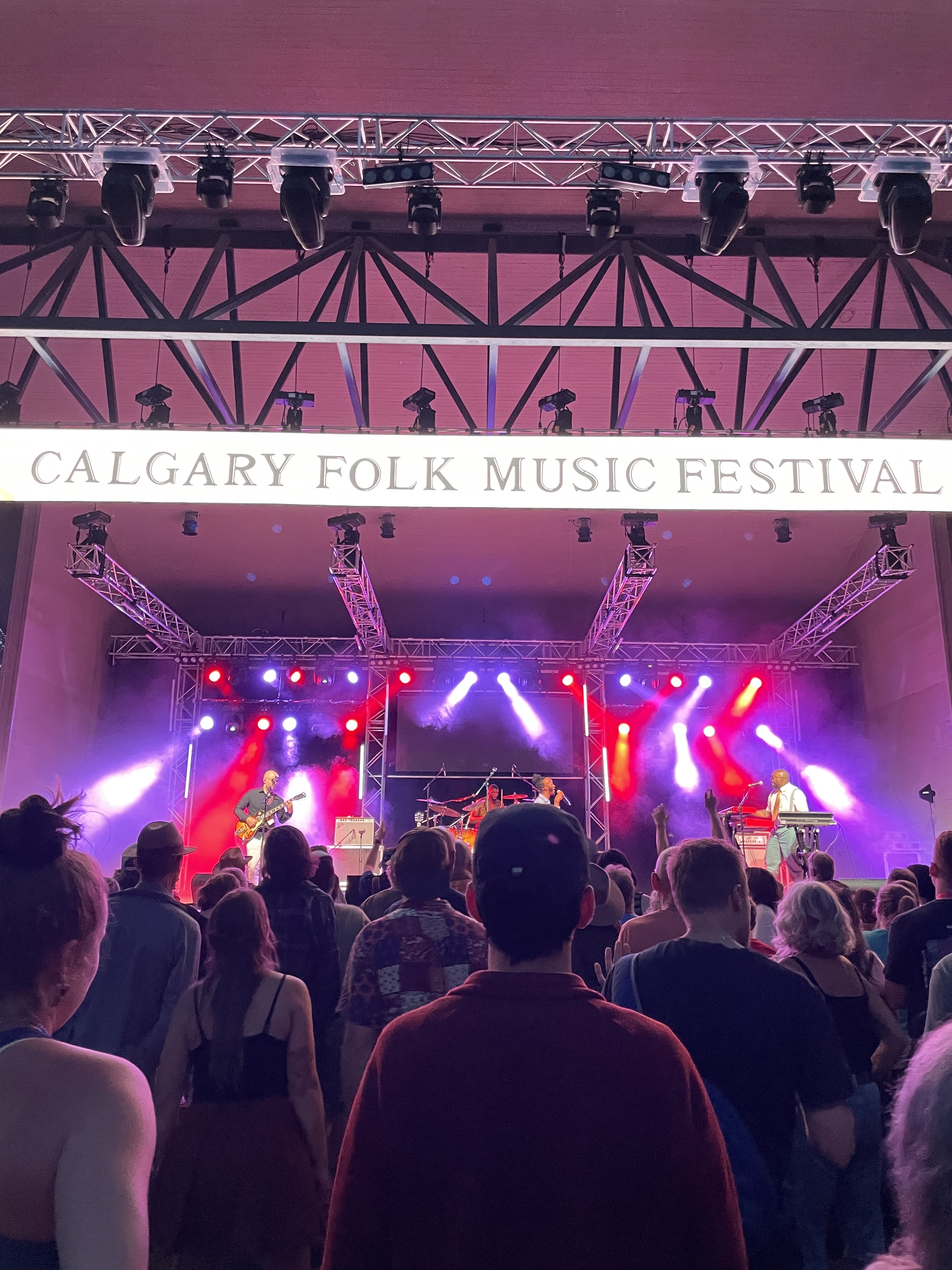
Defining Pop Culture
Pop culture is the shared set of media, styles, and habits that many people recognize at the same time. It includes what people watch, wear, quote, stream, and repost. Music matters here because it travels quickly and leaves fingerprints everywhere: in clothing, in language, in dance, and in the way people gather around a moment.
That is why a catchy track can feel bigger than the track itself. It becomes part of the surrounding culture, which is the polite way of saying the song has entered the room and started moving the furniture.
For a broader look at how culture is organized and shared, the Britannica overview of popular culture is a helpful starting point. You can also compare how music trends show up across the site’s blog archive and on the about page.
Historical Examples of Music Influencing Culture
Music has shaped culture for a long time, and the pattern is easy to spot once you know where to look. Different eras used different sounds, but the effect was the same: music helped people recognize a new social mood before they had a neat name for it.
Jazz in the 1920s
Jazz changed how many people heard modern life. It was tied to nightlife, dancing, new forms of expression, and a visible shift in urban culture. The music’s energy matched a decade that wanted motion, style, and a little rebellion.
Rock and roll in the 1950s
Rock and roll helped define youth culture in the 1950s. It was louder, looser, and more openly tied to identity than many earlier mainstream styles. Clothing, hair, and dance all followed the same current. The music was not just entertainment; it was a signal that a younger audience had its own voice.
Protest music in the 1960s
In the 1960s, protest music gave shared language to civil rights, antiwar, and counterculture movements. Songs made it easier to gather people around ideas that were already in the air. When a chorus is strong enough, it can do some of the work that a slogan would normally have to carry alone.
For a concise historical reference on how music and social change connect, Wikipedia’s overview of protest songs is useful as a quick orientation, and the Library of Congress National Jukebox is a stronger archive-style resource for older recordings and context.
Current Trends in Music and Pop Culture
Today, the link between music and pop culture is faster and more measurable than ever. Streaming platforms shape discovery, social feeds amplify snippets, and listeners can move from hearing a song once to seeing it everywhere within a day.
Streaming has changed listening habits because it rewards immediacy and repeat exposure. Industry reporting from the IFPI Global Music Report shows how central streaming remains to recorded music, while Spotify’s Loud & Clear update highlights how digital listening keeps broadening genre reach. In practical terms, that means a song can break out because people genuinely like it, not because they found it in a dusty store aisle after three bus transfers.
Hip-hop and pop still set much of the mainstream tone, but the bigger trend is cross-pollination. Collaborations, playlist culture, and global audiences have made genre boundaries feel more flexible. That flexibility shows up in fashion, slang, concert style, and even the kinds of stories brands try to borrow.
The Role of Social Media in Music Trends
Social media now acts like a fast-moving focus group with excellent lighting. A short clip can push a hook into the public conversation, and a dance challenge can make an old song feel new again. TikTok, Instagram Reels, and similar platforms have turned tiny song fragments into cultural shorthand.
Artists also use social media to build direct relationships with listeners. They tease unreleased tracks, share behind-the-scenes clips, and respond to fans in ways that once required a label budget and a lot more patience. The result is a tighter feedback loop between music and audience behavior.
For a practical look at how short-form video shapes discovery, see TikTok Music and Instagram Reels. Both platforms make it clear that the clip often travels before the full song does.
What This Means for Fashion, Movements, and Everyday Life
Music influences pop culture because it gives people a shared rhythm to move with. Fashion borrows from musicians, social causes borrow from musical energy, and online communities borrow both. A look, a lyric, or a beat can become a shortcut for identity.
- Fashion: artists help set colors, silhouettes, and accessories that fans copy.
- Language: lyrics and catchphrases move into everyday conversation.
- Social movements: songs help people gather, remember, and organize.
- Digital behavior: short clips and meme culture make music part of daily scrolling.
Conclusion: The Future of Music in Pop Culture
Music will keep shaping pop culture because it is one of the quickest ways people share feeling at scale. Genres will keep blending, social platforms will keep changing how songs spread, and new audiences will keep finding old tracks in unexpected places. The details will change. The basic pattern will not.
If you want to keep exploring the topic, start with the homepage, then browse the blog for more music articles. That is usually enough to remind you that culture rarely arrives in neat little boxes.