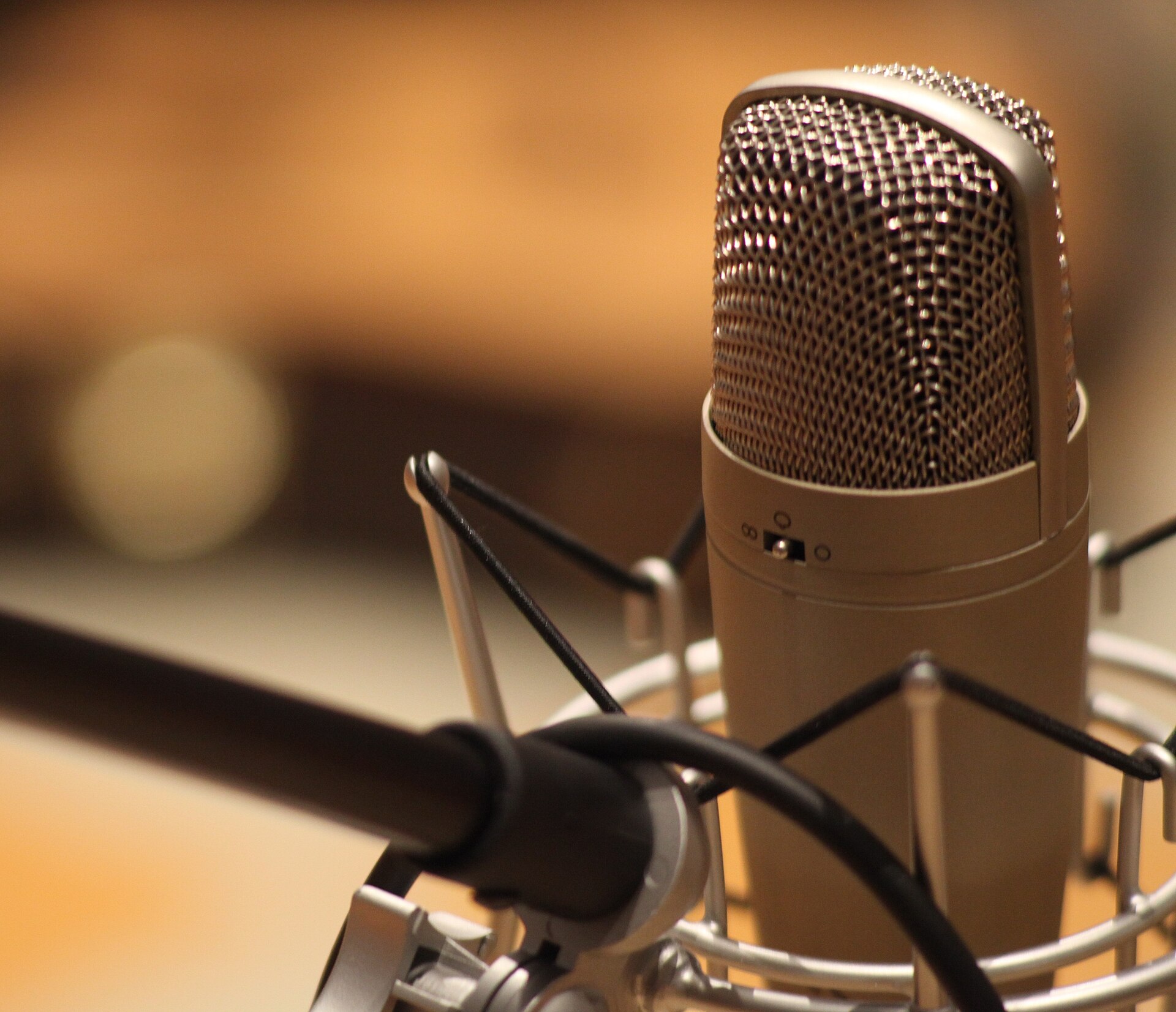
Music and Technology: Innovations Shaping the Industry

Music has always been shaped by new tools, but the pace of change now feels almost comical. One year the industry is debating downloads, the next it is decoding algorithms, bedroom studios, and AI-assisted hooks. The short version: technology has moved from the background to the main stage.

If you want the plain version first, music tech affects two big things: how songs get made and how listeners find them. Streaming platforms changed the way people discover catalogs, production software put serious recording tools on ordinary laptops, and new AI tools are starting to act like tireless studio assistants. For a broader look at how discovery platforms evolved, see the blog index, plus the site’s about page and home page.

Audience gathered at an outdoor music festival with stage lighting
Music technology still has a very human job: getting people to press play, sing along, or at least nod in time.

Overview of music technology

Music technology covers the tools that shape recording, editing, distribution, and listening. That includes digital audio workstations, streaming platforms, recommendation systems, headphones, controllers, and the unglamorous but essential software updates that keep everything from wobbling off the table. The basic pattern is simple: better tools lower the barrier to making music, and better distribution tools help more people hear it.

For readers who want a concise industry overview, the music technology overview on Wikipedia is a reasonable starting point, while the RIAA sales database helps show how the market has shifted over time.

Impact of streaming services

Streaming services changed the listening habit from ownership to access. Instead of buying one album and living with it for a month, listeners can jump from a new release to a back catalog deep cut in about three taps. That convenience helped music become more immediate, more social, and, depending on the day, a little more overwhelming.

The big shift is not just convenience. Streaming turned listening data into a product feature, which is why recommendation engines now matter so much. If you want a reliable industry perspective, IFPI’s Global Music Report tracks the market, and Spotify for Artists explains how playlists and listener behavior affect visibility.

Advancements in music production software

Production software may be the most democratic part of the modern music stack. A laptop, a microphone, and the right software can do work that once required a room full of equipment. That does not make production easy, but it does make experimentation much more affordable.

Today’s digital audio workstations let creators edit audio, layer instruments, tune vocals, and mix tracks without leaving the couch. Plug-ins, virtual instruments, and cloud collaboration have also made it easier for musicians to work across distances. Adobe has a practical plain-language DAW guide if you want a beginner-friendly explanation of the tools involved.

  • Recording and editing are faster.
  • Collaboration can happen across cities or time zones.
  • Small creators can publish polished work without major studio budgets.
  • Revision is cheaper, which is a blessing and a curse for anyone who likes to “just try one more version.”

The role of AI in music creation

AI is now showing up in music as a helper, not just a headline. It can assist with beat generation, stem separation, mastering suggestions, and even rough drafting of ideas. Used well, that means less time fighting with repetitive tasks and more time making actual creative choices.

The important question is not whether AI exists, because it clearly does. The better question is where it helps and where it should stay out of the way. The Recording Academy’s overview of AI music is a helpful reference for understanding the conversation, and Britannica’s AI overview offers the broader context behind the technology itself.

In practice, AI works best when it is treated like an assistant with very fast hands and no taste. It can sketch options quickly, but humans still decide what feels emotional, memorable, or plain weird in the good way.

Future innovations to watch

The next wave of music technology will probably focus on personalization, collaboration, and better ways to balance access with fair compensation. Expect more tools that tailor listening experiences, more software that helps creators move faster, and more debate over how platforms shape culture.

For now, the trend line is clear: music is becoming more software-shaped every year. That does not replace human creativity. It just gives creativity a larger toolbox, and occasionally a larger to-do list. If you want to keep exploring, start with the blog for related guides or return to the about page to see what this site is about.

Quick takeaways

Music technology has reshaped how songs are created, shared, and discovered. Streaming made access instant, production software made home recording practical, and AI is now nudging the process forward in ways that are still unfolding. The biggest story is not one invention. It is the way several tools, working together, keep changing how music feels to make and hear.

Posted in Uncategorized

Exploring the World of Music Remixes

DJ mixing tracks at a live event
A DJ performance image that fits the idea of blending tracks, transitions, and live energy.

Music remixes are one of those ideas that sound simple until you try to define them cleanly. In the plain version, a remix is a new version of an existing song that changes the arrangement, feel, length, or energy while keeping the original material recognizable. Some remixes stay close to the source. Others take a left turn and end up feeling like a cousin rather than a twin.

The short answer is that remixes give songs a second life. They can make a track work on a dance floor, fit a radio edit, or reach listeners who might never have connected with the original version. They also sit at the intersection of creativity and technology, which is probably why remix culture has stuck around for so long.

What is a Music Remix?

A remix is a reworked version of a song that changes how it sounds without fully replacing the original. The goal is usually not to erase the first version, but to reframe it. That might mean adding a heavier beat, stretching the intro, trimming verses, or rebuilding the song for clubs and playlists.

Three common terms help make sense of the remix world:

  • Official remix: an authorized version released by the artist, label, or producer.
  • Bootleg remix: an unofficial rework, often shared online or played in DJ sets.
  • Mashup: a blend of two or more songs combined into a new track.

That distinction matters because remixing is both an art form and a rights question. For a useful overview of how remix culture works, the Remix entry on Wikipedia gives a broad historical snapshot, while the U.S. Copyright Office explains the legal side of derivative works and reuse.

The Evolution of Remixes

Remixing did not start with laptop software. Long before digital tools, DJs, producers, and radio engineers were already editing songs for different audiences and settings. Extended dance versions, dub mixes, and club edits all helped lay the groundwork for what we now call remix culture.

Technology changed the pace. Multitrack recording, turntables, samplers, and eventually digital audio workstations made it much easier to isolate sounds and rebuild them. If you want a quick technical primer on the tools that made modern remixing easier, Britannica’s overview of sound recording is a solid starting point, and Ableton’s manual shows how modern production workflows support cutting, warping, and arranging audio.

Some of the biggest milestones in remix history came from dance music, hip-hop, and pop. Once artists and labels realized that a remix could extend a song’s life instead of simply competing with it, the format became part of the standard release strategy. That is why a track often arrives with an original mix, a radio edit, and a handful of remixes that each aim at a different listener.

Famous Remixes and Their Impact

Some remixes become so familiar that listeners forget they started as reworks. Others become better known than the original in certain circles. A few well-known examples include:

Track Artist / Remix Artist Why it stood out
Missing (Todd Terry Remix) Everything but the Girl / Todd Terry Turned a quiet song into a club and radio crossover hit.
I’m God remixes and edits Clams Casino and others Helped define a dreamy internet-era style of production.
Tom’s Diner (DNA Remix) Suzanne Vega / DNA Showed how a remix can create an entirely new mainstream identity.
Despacito (Remix) Luis Fonsi, Daddy Yankee, Justin Bieber Expanded the song’s reach far beyond its original audience.

The cultural effect is easy to spot: remixes can move a song into new spaces, new languages, and new scenes. They can also revive catalog tracks for younger listeners. In other words, the remix is often the industry’s way of asking, “What if this song got to go out and make a few more friends?”

How to Create Your Own Remixes

If you want to start remixing, the good news is that you do not need a full studio to begin. A laptop, headphones, and a beginner-friendly digital audio workstation can get you pretty far. Popular tools include Ableton Live, FL Studio, Logic Pro, and GarageBand.

A simple starting workflow looks like this:

  1. Choose a song you want to work with and make sure you have the right to use it.
  2. Import the stems or the audio file into your software.
  3. Decide what the remix should do: slower, heavier, shorter, brighter, or more dance-focused.
  4. Build a new drum pattern or bassline around the parts you want to keep.
  5. Move sections around until the track feels fresh and balanced.
  6. Listen on speakers, headphones, and a phone so you catch awkward transitions.

A few practical tips help a lot:

  • Start with one clear idea instead of trying to change everything at once.
  • Keep the original hook recognizable if you want the remix to feel connected.
  • Use reference tracks from remixes you admire.
  • Save versions as you go. Future-you will be grateful when the “improved” idea was not actually improved.

Cultural Significance of Remixes

Remixes matter because they show how music changes with the people who hear it. A remix can fit a club, a workout playlist, a social video, or a festival stage. It can also give producers a way to participate in a larger musical conversation without starting from scratch every time.

That flexibility explains why remixing remains relevant in contemporary music culture. Streaming platforms, short-form video, and global listening habits all reward versions of songs that can travel easily. A single track might live as an original, an acoustic version, a dance remix, and a fan-made edit all at once.

For readers who want to explore more music coverage on this site, you can also check the blog index, return to the homepage, or read more about the site’s purpose on the About page.

Final Takeaway

Music remixes are not just recycled songs. They are a creative format that reflects changes in taste, technology, and listening habits. Whether you are hearing one in a club, making one at home, or just wondering why a song sounds strangely better at 1 a.m., the remix is a useful reminder that music rarely stays in one shape for long.

Posted in Uncategorized

How to Support Your Favorite Artists: Beyond Downloads

Supporting an artist is bigger than buying one song and moving on. If you have ever asked yourself whether a stream, a shirt, a share, or a ticket actually matters, the short answer is yes. It matters more than most fans realize, and it often matters in very ordinary ways: a few dollars toward gas, one repost that reaches a new listener, one packed room that turns a local gig into a real night.

The music world gives fans a lot of ways to help, but that can also make the question feel fuzzy. Do you buy the album, join the membership, tip the livestream, or simply tell a friend? Prince put the ownership side of the conversation plainly: “If you don’t own your masters, your masters own you.” That line is about control, but it also points to something fans can do right away: support artists in ways that put more money and attention directly in their hands. Two good examples are Bandcamp’s fan support model and Patreon’s creator memberships, both of which are built around direct relationships instead of waiting for a giant platform to do the right thing by accident.

That question matters because music is still a business, even when it feels personal. Artists have to cover recording costs, video production, travel, rehearsal time, instrument repair, merch, and the endless little bills that show up between one release and the next. If you want the plain version, supporting artists is not a luxury. It is part of the ecosystem that keeps the songs coming. By the end of this guide, you will have a simple map of the best ways to help musicians financially, socially, and in person, plus a few easy actions you can take today without turning your life into a marketing internship.

What you will learn: how to choose support methods that actually help, how to turn a few small habits into meaningful promotion, why live shows still matter so much, and how to support artists without needing a huge budget.

A quick glossary before we start

Music support has a lot of terms that sound bigger than they are. Here is the plain version.

Term Plain meaning Why it matters
Direct support Money or attention that goes straight to the artist, not just to a platform. Usually gives the artist more useful income and a clearer fan connection.
Merch Shirts, posters, vinyl, hats, zines, pins, and other artist-branded items. Often pays better than a stream and helps fans show support in public.
Membership A recurring payment for exclusive posts, extras, or early access. Creates steadier income month to month.
Tip jar A digital or physical place where fans can send extra money. Makes one-time support fast and simple.
Fan community The group of listeners who keep showing up, talking, and sharing. Helps artists reach new people without buying ads for every post.

That is the short map. The rest of this article is just the same idea with fewer mysterious words and more useful examples.

1. Support artists financially in ways they can feel

If you only remember one thing from this article, make it this: direct financial support is the clearest vote a fan can cast. You do not need to be rich. You just need to be specific. A one-time purchase, a monthly membership, or a small tip after a livestream can do more practical good than a dozen vague promises to “support the artist forever.”

Buy merch with intention

Merch is not just souvenir shopping for the emotionally committed. It is one of the easiest ways to put money into an artist’s pocket while also helping them move their name around in the world. A shirt gets worn to class. A tote bag shows up at the grocery store. A sticker rides around on a laptop for three years and starts conversations in places the artist may never visit.

A simple real-life example: imagine a fan at the end of a club show. They buy one shirt, one vinyl copy, and a poster. That one purchase can help cover a tank of gas, a meal, or a small part of the next recording session. It is not glamorous, but neither is being an independent musician on a Tuesday morning, which is when these things usually matter.

Use memberships when the artist offers them

Memberships and subscriptions are useful because they are predictable. A musician can plan better when they know a certain number of fans will keep showing up each month. That might mean a private demo, a behind-the-scenes post, a live Q&A, or early access to tickets. The exact perk matters less than the pattern: a fan gives recurring support, and the artist gets breathing room.

For artists or small labels trying to keep membership updates, merch drops, and thank-you notes organized, a custom SaaS product around their business model can help them manage the moving parts without turning everything into a spreadsheet maze. That is the kind of backend support fans rarely see, but it can make direct support sustainable instead of chaotic.

Tip livestreams and digital performances

Livestream tips are the digital version of passing the hat after a set. They work best when you treat them as a real thank-you, not a nervous afterthought. If an artist streams from a bedroom, a rehearsal space, or a tiny venue with shaky Wi-Fi, a tip can be a direct sign that the performance landed. It is the online equivalent of applause that also helps pay for cables, coffee, and the next upload.

If you are not sure what amount to send, start with a number that feels small but honest. A few dollars is still a signal. The artist does not need every fan to act like a record label. They need a crowd of people doing modest, steady things well.

Think beyond the album purchase

Buying music is still good. But if you stop there, you miss some of the easiest ways to help. Consider this comparison:

Support method Best for What it does for the artist
Digital download or album purchase Listeners who want the music and want to help at the same time Provides direct revenue and shows there is demand beyond streaming
Merch purchase Fans who attend shows or want a lasting reminder Often gives higher-margin income than a stream
Membership or subscription Fans who follow an artist closely Creates recurring support and a more stable base
Tip or donation People who want to help right now Works as fast, flexible support during releases and live streams

That table is the practical version of the same old advice: if you like the work, try to support the work in a way that actually helps the person making it.

2. Promote artists on social media without making it weird

Social media can feel noisy, but it is still one of the easiest places for fans to help. And no, helping does not mean becoming a full-time hype machine. It means acting like a person who has discovered something worth passing along.

Share the post, not just the feeling

When an artist posts a new song, video, or tour date, sharing it helps push the work into another network. That matters because discovery often happens in tiny leaps. One repost can land in the group chat of someone who loves the exact kind of music the artist makes. That may sound small, but small is how most new listeners arrive.

Try this rule: if you share it, say why you liked it. “This chorus is stuck in my head” is better than a blank repost because it gives your friends a reason to click. Your post does not need to sound like a press release. It just needs to sound like a human noticed something good.

Comment like a real listener

Commenting is underrated because algorithms like attention, and artists like proof that someone actually heard the song. A comment can be as simple as:

  • “This bridge did not need to go this hard, but I’m glad it did.”
  • “I heard this once and immediately sent it to three people.”
  • “This feels like the perfect night-drive song.”

Those are tiny, but they do two useful things. First, they show the artist that the work reached someone. Second, they help other people decide whether to listen. A song with active comments looks alive. A song with silence can look abandoned, even when it is brilliant.

Build or join fan communities

Fan communities do the slow work that individual posts cannot. They make room for repeat listening, shared photos, tour rumors, set-list recaps, and all the other wonderfully specific behavior that comes with loving music in public. If you have ever fallen into a fan Discord, a Facebook group, a subreddit, or a group text that only talks about one band, you already know the feeling. It is part library, part clubhouse, part group therapy with better playlists.

Those communities matter because artists do not just need a one-time burst. They need people who keep the conversation going after the release-day spike fades. That can be as simple as starting a thread about your favorite lyrics, making a playlist for new listeners, or collecting links in one place so friends can find the official merch store instead of some sketchy knockoff site that somehow found the internet first.

“I bought the shirt because the set felt like a conversation, not a transaction.”

That is the basic fan instinct in one sentence. When music feels personal, support usually follows naturally. The job of a good fan is not to perform devotion. It is to make it easier for other people to discover and support the thing they already like.

3. Attend live shows and events when you can

Live shows still carry a kind of energy the internet never quite copies. You can stream a song fifty times and still miss the moment when a room full of people hits the chorus at the same time. That moment is not just emotional. It is economic. Tickets, venue partnerships, merch tables, and even venue bar sales all play a role in whether a tour is worth repeating.

Independent musician performing live under stage lights

Here is the plain version: when you show up, you are not just enjoying the artist’s work. You are helping prove that the work can travel. A sold-out room in one city often becomes a reason to book the next city. A noisy crowd in a small venue can be the difference between “nice idea” and “we should absolutely do this again.”

Local scenes are worth the gas money

Big tours get the headlines, but local scenes are where a lot of artists become artists in the first place. Supporting a nearby show can mean buying a ticket to a tiny room, taking a chance on a bill with names you do not know, or going even when the weather makes the couch look morally correct. If you are looking for a low-drama way to help musicians, local shows are one of the best answers.

There is also a ripple effect. The more fans show up, the more venues book live music, the more artists can test new material, and the more the scene feels like a place where music can actually happen instead of just being discussed online with a great deal of confidence.

Do the post-show support too

Support does not end when the encore ends. After the show, buy something at the merch table if you can. Sign up for the mailing list. Follow the artist on the platforms they actually use. Say thank you to the opener. If you liked the set, tell the venue staff or leave a positive note where the artist will see it. Those small actions do not cost much, but they often travel farther than people think.

If you want a very practical checklist for a concert night, here is the easy version:

  • Buy a ticket instead of waiting for the live clip online.
  • Arrive early enough to hear the opener.
  • Share one photo or short clip after the show.
  • Buy one piece of merch if the budget allows.
  • Follow the artist’s official pages before you forget.

4. Support artists between releases, not only on release day

Release day gets a lot of attention because it is easy to understand. A new song drops, everyone reacts, the comments fill up, and the internet briefly remembers that musicians are not background wallpaper. But the long tail matters more. The weeks between releases are where many artists do the harder work: writing, rehearsing, answering emails, planning visuals, and trying to keep the machine moving without a giant team.

That is why support between releases is so powerful. It says, “I am still here,” which is a nicer message than the digital equivalent of shouting “encore” and then disappearing forever.

Pre-save, pre-order, repeat

When an artist announces a release, the simplest support can happen before the song even comes out. Pre-saving a track, pre-ordering a record, or grabbing a ticket early tells promoters and platforms that people care. It also helps the artist plan. In a business where attention can evaporate overnight, early commitment is its own kind of kindness.

Make one habit stick

You do not need a complicated support plan. Pick one habit and keep it. Maybe you buy one piece of merch every tour cycle. Maybe you tip every livestream you attend. Maybe you share one post per month. Maybe you are the friend who always adds the new single to the group playlist first. That kind of consistency sounds small, but small habits are how fans become part of an artist’s stable foundation.

And if you are the sort of person who likes to be useful, not just enthusiastic, this is the good kind of usefulness: recurring, visible, and easy to repeat.

5. A simple fan-support playbook

If all of this still feels like a lot, here is the short version. You can support your favorite artists in five practical ways:

  1. Spend directly on merch, music, memberships, or tickets when possible.
  2. Share intentionally by reposting, commenting, and recommending specific songs.
  3. Show up live for concerts, local shows, and livestreams.
  4. Stay engaged between releases so support does not vanish after launch week.
  5. Help discovery by bringing one friend into the fan circle.

That is the whole game, really. Not all at once, and not perfectly. Just often enough that the artist can feel it.

6. The quiet reason this works

People sometimes talk about music support as if it were all money or all numbers, but that is too narrow. Fans also support artists by making the work visible. A repost can help an algorithm. A ticket can help a tour. A comment can help another listener decide to click. A shirt can turn someone into an ambassador without them meaning to become one. Support is not one thing. It is a chain of small signals that add up to momentum.

That is why the best fan support usually looks ordinary. It is not a giant gesture once a year. It is a steady set of habits that tell the artist their work reached real people. And honestly, that is what most artists are hoping for when they put something into the world: not worship, just contact.

Conclusion: choose one thing and start there

Supporting your favorite artists does not have to be complicated. If you buy merch, tip a livestream, join a membership, share a song, or show up to a show, you are already doing more than downloading and disappearing. That is the big idea here. Fan support works best when it is direct, specific, and repeated often enough to matter.

So pick one action and make it part of your routine. Follow an artist you love on their official channels. Buy something from the merch table the next time you go out. Post a song you cannot stop replaying. Bring a friend to a local show. Those are all small acts, but small acts are how careers get fed.

If you want more music-focused reading, browse the blog, learn a little about the site on About, or send a note through Contact if you have a topic idea or a favorite artist you think more people should hear. The plain version is simple: the music gets better support when fans act like the music matters.

Key takeaways:

  • Financial support matters most when it reaches the artist directly.
  • Sharing, commenting, and recommending songs can genuinely help discovery.
  • Live shows still play a huge role in an artist’s income and momentum.
  • Small, repeatable fan habits often do more than one big gesture.
Posted in Uncategorized

How to Create the Perfect Playlist: Tips and Tricks

A good playlist feels effortless when you press play, but the work happens before that moment: choosing a purpose, picking songs that actually belong together, and arranging them so the whole thing moves instead of lurching around like a shopping cart with one bad wheel.

Most people come to playlist-building with a short list of very normal questions:

  • How do you make a playlist feel cohesive without making every song sound the same?
  • How many tracks are enough for a workout, dinner party, commute, or weekend reset?
  • Should you start with your favorite songs or with the mood you want to create?
  • What makes one playlist fun to share while another quietly gets skipped after two songs?

The short answer is that great playlists are built on intention. You are not just collecting songs you like. You are shaping a listening experience for a person, a room, or a moment. Streaming platforms such as Spotify’s playlist tools make the mechanics easy, but the curation part still depends on taste, pacing, and context. That curating instinct has a long history too. If you want the plain-language background, the idea of sequencing songs for a mood sits very close to the older tradition of the mixtape and the broader concept of a playlist.

In this guide, I will walk through the practical side: how to understand your audience, choose a theme, pick the right songs, arrange them for flow, and share the finished result without overthinking every transition for three business days. If you want more music guides after this one, the blog archive is the next stop. If you want to know what this site covers more broadly, take a quick look at the about page or use the contact page to suggest another playlist topic.

Studio microphone set up for recording and playlist curation
A simple playlist theme gets easier to build when you picture the setting, the listener, and the energy arc before you add tracks.

What Makes a Playlist Work?

A playlist works when the songs feel connected by a clear purpose. That purpose can be practical, like staying focused while you work, or emotional, like building a nostalgic set for a reunion. Either way, the listener should feel that the songs belong in the same room together.

That does not mean every track needs to sound identical. In fact, a little contrast usually helps. The real goal is consistency of intent. A rainy-evening playlist can handle a tempo change. What it cannot really survive is a sudden leap from soft indie folk to gym-floor EDM unless the joke is intentional.

1. Understanding Your Audience

The first question is not “What songs do I love?” It is “Who is this for?” Sometimes the answer is easy because the playlist is for you. Sometimes it is for a party, a road trip, a wedding shower, a study group, or that one friend who says, “Play anything,” and somehow means “Please read my mind.”

Start with the occasion

Think about what the music needs to do.

  • Workout playlist: steady momentum, recognizable beats, not too many long quiet intros.
  • Dinner playlist: good atmosphere, moderate energy, enough variety to avoid feeling like one long elevator ride.
  • Commute playlist: fast emotional payoff, a few favorites near the top, and probably fewer eight-minute mood pieces.
  • Relaxation playlist: gentler pacing, fewer abrupt shifts, and less lyrical chaos if the goal is actual calm.

Think about the listeners, not just the songs

Age matters sometimes, but familiarity matters more. A mixed-age family gathering may go over better with cross-generational crowd-pleasers than with a deep dive into your most personal synth-pop discoveries. That does not mean the playlist has to become bland. It means you should know when the room wants sing-alongs and when it wants background texture.

Collect light feedback before you build

If the playlist is for a shared event, ask for a few anchor songs in advance. Three good suggestions from other people can save you from making a playlist that accidentally sounds like a private diary with better bass response.

Scenario What the audience usually wants What to avoid
House party Recognizable hooks, steady energy, songs people can talk over or sing along to Too many slow ballads in the middle stretch
Focus session Predictable pacing, low distraction, fewer lyrical spikes Tracks that demand full attention every thirty seconds
Road trip Big choruses, tempo variety, a few surprise favorites A front-loaded playlist that peaks in minute ten
Wind-down evening Warm mood, smooth transitions, comfortable length One random song that sounds like a caffeine commercial

2. Choosing a Theme or Mood

Once you know who the playlist is for, choose the theme. Themes are useful because they narrow your choices. Instead of asking whether a song is “good,” you ask whether it fits this mood.

Pick one central feeling

Try to describe the playlist in a short phrase rather than a vague genre label. “Late-night city walk” is more useful than “mixed.” “Sunny kitchen cleanup” tells you more than “upbeat.” A clear phrase gives you a filter every time you add or cut a track.

Common theme directions

  • Seasonal: summer drives, first-snow songs, rainy-day comfort.
  • Event-based: birthday dinner, cookout, wedding getting-ready room.
  • Genre-led: all-reggaeton warm-up, indie-pop afternoon, classic soul reset.
  • Mood-based: nostalgic, energetic, flirty, reflective, focused.

Protect the theme from drift

The most common playlist mistake is drift. You start with “easy weekend brunch” and end up with five songs you added only because you like them. Liking a song is not enough. It has to earn its place in the set. That one rule cuts half the clutter.

3. Selecting the Right Songs

Now you can start pulling songs, but do it in layers. A strong playlist usually has anchors, bridges, and surprises.

Use anchor songs first

Anchor songs are the tracks that define the mood immediately. For a nostalgic pop playlist, that could be a few instantly recognizable tracks from the era you want. For a focus playlist, the anchors might be mellow instrumentals with stable tempo and minimal vocals.

Mix familiar tracks with discovery picks

A good ratio is often around 70/30: mostly familiar or easy-to-like songs, with a smaller set of unexpected additions that still fit the mood. That way the playlist feels interesting without becoming homework.

Check lyrics, tempo, and production style

Lyrics matter more than people expect. A bright acoustic song with breakup lyrics can land strangely in a celebratory playlist. Tempo matters too, but production style might matter most when you are trying to keep the playlist cohesive. Two songs with similar emotional tone can still clash if one sounds airy and organic while the next sounds aggressively metallic and compressed.

Example: building a “late summer drive” playlist

  • Anchor songs: open-road pop tracks with clear hooks and a warm, melodic feel.
  • Bridge songs: slightly moodier tracks that keep the drive moving without dropping the energy off a cliff.
  • Surprise songs: one or two left-field picks that still feel sunlit rather than jarring.

If a song is technically good but breaks the mood, move it to a different playlist. This is less painful once you accept that making playlists is partly an editing job. The delete button is doing important emotional labor.

4. Organizing and Sequencing Tracks

Sequencing is where a decent playlist becomes a memorable one. The order shapes how the listener experiences your choices.

Open with confidence

The first track should explain the playlist quickly. It does not have to be the biggest hit, but it should be a convincing invitation. If the opening song feels uncertain, the whole playlist feels uncertain.

Build an energy arc

Most playlists benefit from a loose beginning, middle, and end.

  1. Beginning: set the tone and make the listener trust you.
  2. Middle: build momentum or deepen the mood with a few smart shifts.
  3. End: land the playlist with intention instead of simply running out of songs.

Use transitions, not jolts

You do not need beat-matched perfection, but neighboring songs should share something in common: tempo, vocal texture, production mood, lyrical perspective, or overall intensity. That connection is what makes the set feel smooth.

Close on a track that lingers

The last song should feel like a final scene, not an accident. For a party playlist, that may mean one last lift. For a wind-down playlist, it might mean a softer landing. Either way, the ending is what people remember when they decide whether to replay the whole thing.

Sample Playlist Blueprint

Here is a simple example of how the flow can look on paper before you start swapping tracks around:

Track slot Purpose Example vibe
1 Strong opener Bright, confident, instantly on-theme
2-4 Establish the mood Familiar songs with easy flow
5-7 Add contrast without breaking tone A moodier cut, then a lift back upward
8-10 Peak section The songs people are most likely to save or replay
11-12 Soft landing or memorable finish Warm closer, lingering final chorus

5. Sharing Your Playlist

Sharing matters because presentation changes how people receive the playlist. A thoughtful playlist with a vague title and no context can still get ignored.

Name it like it has a job to do

Titles such as “Friday 2” or “Good Songs Maybe” are honest, but not very helpful. A clearer name sets the expectation immediately. “Rainy Commute Reset,” “Kitchen Dance Hour,” or “Low-Key Party Start” tells the listener what they are getting.

Create a cover that matches the mood

If the platform allows it, use a simple visual that reinforces the tone. You do not need elaborate design. You just need something more intentional than the default collage if you plan to share the playlist widely.

Invite interaction

If you are sharing with friends, ask what song you missed. That keeps the playlist alive and often leads to better additions than the ones you would have found alone. If you are posting publicly, add one short line about the purpose of the playlist so listeners understand the angle right away.

Quick Checklist Before You Hit Share

  • Does the playlist have one clear mood or use case?
  • Is the first song strong enough to pull people in?
  • Did you remove tracks that are good on their own but wrong for the set?
  • Does the order rise, settle, or shift in a way that feels intentional?
  • Is the playlist title specific enough that someone else would actually open it?

Final Thoughts

The perfect playlist is usually less about perfection and more about clarity. Know who it is for, decide how you want it to feel, choose songs that support that feeling, and arrange them so the listener never has to wonder why a track is there. That is the whole game.

Once you build a few with that mindset, you get faster at hearing what belongs and what does not. The next useful question is not “What should I add?” but “What kind of moment am I trying to create?” Start there, and the songs get much easier to choose.

Posted in Uncategorized