Music festivals aren’t just big concerts—they’re living cultural crossroads. When people gather to dance, sing, and share stories, they’re also reinforcing traditions, negotiating identity, and building community in real time.
When you search for “music festivals,” you’re often looking for answers to questions like: What makes a festival culturally meaningful? How do different regions shape the same idea? Why do festivals sometimes become symbols of change? Here’s a line that captures the stakes: ‘The goal is not to make the story interesting; the goal is to make the story true.’
That “truth” is exactly what makes festivals fascinating to study. They’re where art meets language, food, ritual, economics, and history—so their impact extends well beyond the stage. For background on how people make meaning through cultural events, see Wikipedia’s overview of festivals.
In the sections below, you’ll explore what cultural significance means in practice, meet concrete examples from around the world, and consider what festival organizers often aim to protect—along with what they manage when expectations collide.
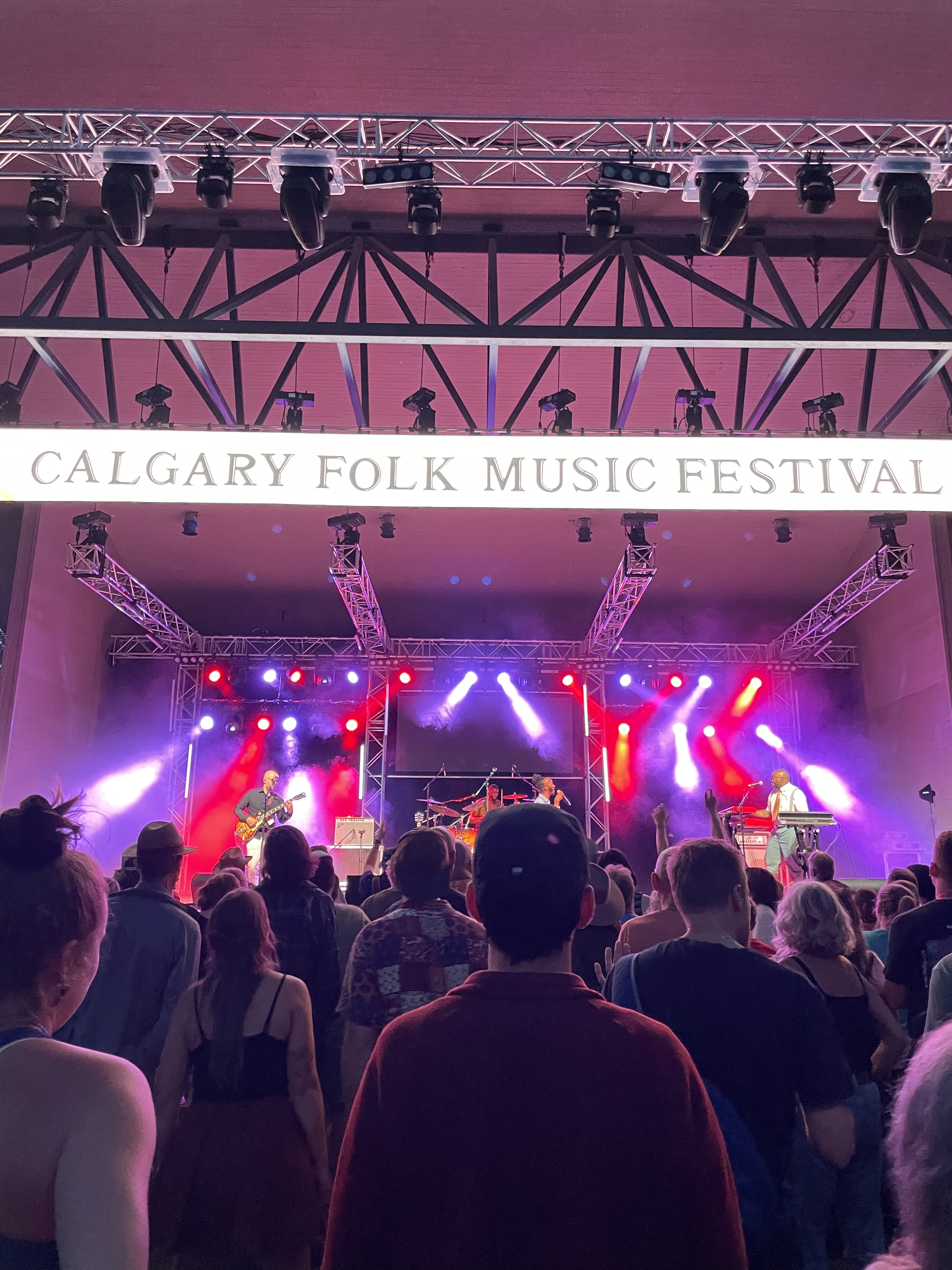
Introduction to music festivals
Music festivals are temporary spaces with long-lasting effects.
Cultural significance of festivals
- Preserve heritage: keep core traditions while inviting new voices.
- Build identity: shared rituals create belonging.
- Support change: programming choices reflect shifting norms.
- Grow ecosystems: festivals strengthen local creative economies.
Examples of notable festivals
Calgary Folk Music Festival (Canada)
Folk festivals often connect songs to community storytelling through workshops and multi-generational audiences.
North Africa and the Maghreb
Festival cultural meaning can show up in instrument prominence, ensemble choices, and how traditions are framed.
Latin America
Public celebrations can mix genres in ways that reflect how identities are negotiated through sound.
Interviews with festival organizers
Organizers typically focus on stewardship, access, and community participation.
Conclusion and reflections
At their best, music festivals are cultural mirrors and cultural engines—stories and connections people carry forward.
Explore more on our blog, or get in touch via about and contact.
