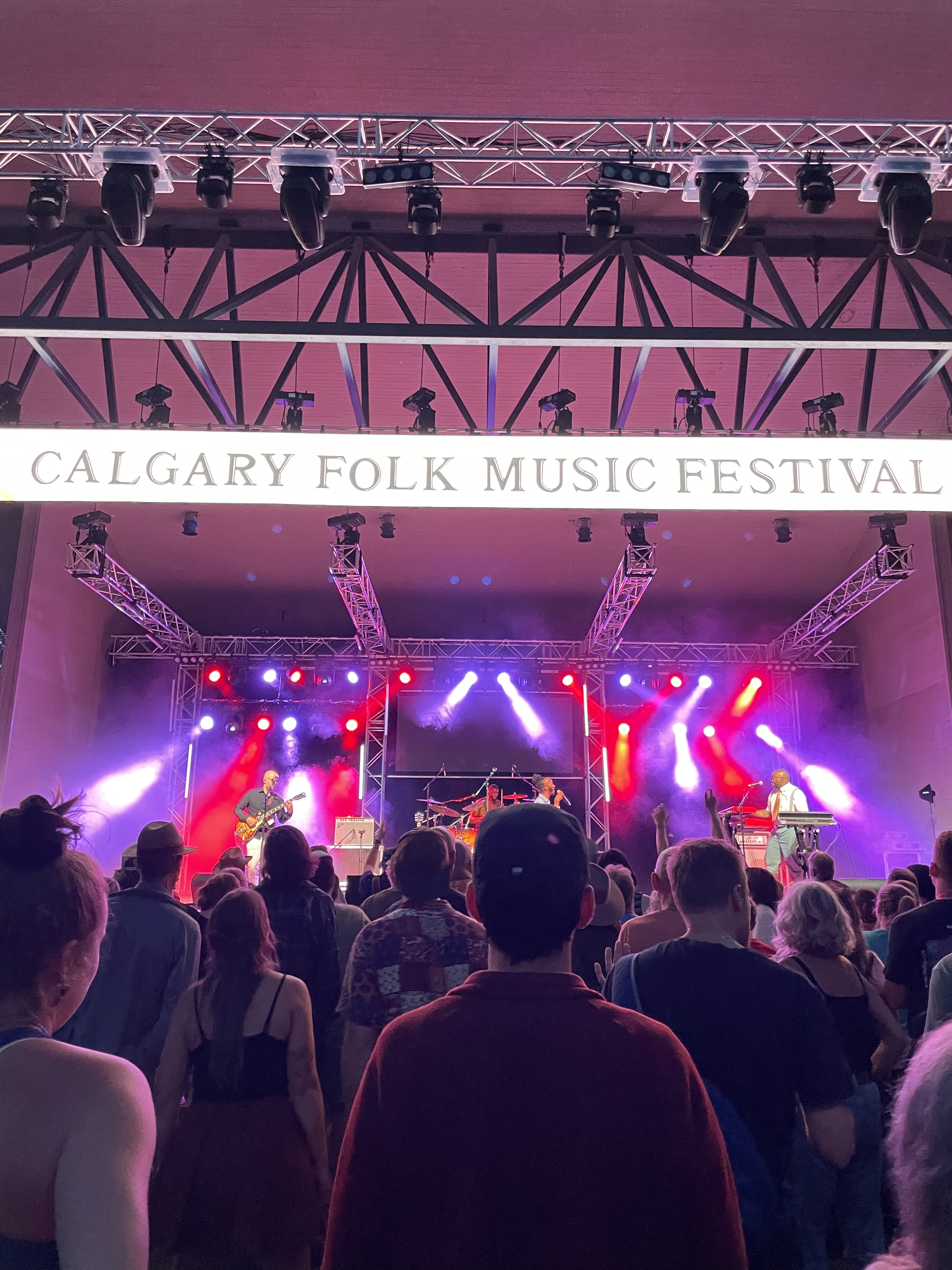
If you are new to exploring music by genre, start with a simple rule: genres are broad labels that group songs by shared sound, structure, instruments, culture, or scene. The labels are useful because they give you a fast way to narrow the field, but they are not cages. Most artists borrow from more than one style, and that is part of the fun.
This guide keeps the map simple. You will see the main genres, a few important sub-genres, and a practical way to choose music based on mood. If you want more site context while you browse, start at the home page, then check the blog index for more posts, or read the about page to learn what this site covers.
What music genres are, and why they matter
A music genre is a way of classifying music that helps listeners, stores, services, and critics talk about style without naming every detail from scratch. A song may be called pop because it is built for wide appeal, rock because guitars and drums drive the sound, or jazz because improvisation and swing shape the performance. For a beginner, genre labels are less about rigid rules and more about finding a useful starting point.
Genres also evolve. Rock splintered into hard rock, punk, indie rock, and more. Pop absorbed electronic production. Hip-hop expanded from a local scene into a global language. If you want a plain-language overview of genre history and classification, the music genre overview on Wikipedia is a reasonable starting point, and the Britannica music reference offers broader context on style and development.
A mix of instruments gives a clear picture of how genres grow from different sounds, traditions, and arrangements.
Exploring popular genres
Here is the short version of five widely known genres. Think of these as baseline categories, not locked boxes.
Genre
Typical traits
Good starting artists or songs
Rock
Electric guitars, drums, strong rhythms, and a direct feel
The Beatles, Led Zeppelin, Fleetwood Mac, Queen; try “Stairway to Heaven” or “Bohemian Rhapsody”
Pop
Memorable hooks, polished production, and wide appeal
Michael Jackson, Madonna, Taylor Swift, Dua Lipa; try “Billie Jean” or “Levitating”
Jazz
Improvisation, complex harmony, and flexible phrasing
Miles Davis, Ella Fitzgerald, John Coltrane, Herbie Hancock; try “So What” or “Take Five”
Hip-hop
Rhythmic speech, beats, sampling, and strong lyrical identity
Run-D.M.C., Tupac Shakur, Kendrick Lamar, Missy Elliott; try “Lose Yourself” or “Alright”
Classical
Orchestral, chamber, or solo works with long-form structure
Mozart, Beethoven, Tchaikovsky, Yo-Yo Ma; try “Eine kleine Nachtmusik” or “The Four Seasons”
If you prefer a more official listening path, Apple Music’s genre directory and Spotify’s genre and mood browsing are useful for comparing styles side by side. The important thing is not which service you use; it is how quickly you can sample a style and decide whether it fits.
Sub-genres and what makes them distinct
Sub-genres are where genre labels become more precise. They tell you not just what family a song belongs to, but which branch it comes from. That matters because two songs under the same broad label can feel very different.
Indie rock often leans on smaller production, expressive songwriting, and a less polished edge than mainstream rock. Think Arctic Monkeys, The Strokes, or Phoebe Bridgers when rock-adjacent guitar music gets more intimate. Alternative pop keeps the hooks of pop music but may add experimental textures or unusual arrangements; artists like Lorde, Billie Eilish, and Halsey often sit near that space. Smooth jazz prioritizes relaxed melodies, softer dynamics, and an easy listening feel; Kenny G is the obvious reference point, though the broader style includes many instrumental performers with a calm, polished sound.
For a genre map that goes deeper than the radio bins, the AllMusic genre guide is useful because it shows how many styles branch and overlap. That overlap is normal. Music history rarely stays neatly sorted.
How to choose music based on mood and preference
If you do not know where to start, choose by mood first and genre second. That is usually the cleanest path for beginners.
Upbeat and energetic: pop, dance-pop, funk, punk, or fast rock can give you momentum.
Relaxed and focused: jazz, lo-fi, acoustic, ambient, or smooth instrumentals often stay out of the way while keeping the room steady.
Nostalgic: classic rock, old-school hip-hop, soul, and older pop hits often trigger memory quickly.
Reflective or emotional: singer-songwriter, indie folk, ballads, and some R&B can carry more direct emotional weight.
Adventurous: try world music fusions, experimental electronica, progressive rock, or modern jazz if you want surprises.
A practical method is to pick one genre, one sub-genre, and three artists. Spend ten minutes with each. If the first track feels flat, stay for one more song before you quit. One bad first impression is not a verdict. It is just a failure mode that needs another sample.
If you want a quick way to discover new favorites, use the recommendation tools inside Discogs or browse curated listening guides from NPR Music. Those sources are not perfect, but they do help you move past your usual lane without guessing blindly.
Build a simple listening path
Do not try to master every genre in one sitting. Build a small, repeatable path instead:
Pick one familiar genre you already like.
Choose one neighboring sub-genre.
Compare three songs from each.
Write down what changed: tempo, vocals, rhythm, atmosphere, or lyrics.
Repeat with a different genre next week.
That method gives you a baseline. From there, you can tell whether you prefer strong drum patterns, spacious arrangements, vocal-forward tracks, or something more experimental. The labels matter less than the listening pattern you build around them.
Conclusion and next steps
Music genres are useful because they help you start. Sub-genres are useful because they help you refine. Together, they make exploration less random and more deliberate. If you understand the broad families of music, you are better positioned to find artists and songs that actually fit your taste.
For further listening, keep a short rotation of genres, follow one trusted playlist or radio program, and check the blog index for more guides. If you are building a listening habit, the rule is simple: stay curious, but keep a record of what works. That is how a collection becomes a preference instead of a pile of noise.
Music podcasts remain one of the most practical ways to discover artists, understand scenes, and keep up with culture without relying on a single algorithm. In 2026, the field is broader than ever: some shows focus on artist interviews, some on music history, some on criticism, and some on scene coverage for specific genres or cities.
If you want a clean starting point, begin with the way you actually listen. Spotify has continued to expand podcast discovery and interactivity, Apple Podcasts still gives you live chart context, and YouTube now matters because many listeners watch as often as they listen. That shift changes the way a show is presented and the way you should judge it. For a current snapshot of podcast discovery and charts, see the Apple Podcasts Top Shows chart, Spotify’s podcast feature updates, and Podnews’s 2026 report card.
A simple studio setup is often the fastest sign that a podcast takes sound quality seriously.
What changed in podcast discovery
Finding a good music podcast is less about searching a directory once and more about watching how platforms surface new shows. Spotify’s discovery tools now reward topic fit and listening behavior more heavily, while Apple Podcasts continues to show what is trending in real time. That means the right shortlist changes faster than a static blog list.
Video matters too. If a show publishes clips, full video episodes, or strong visual summaries, it may be easier to sample before you commit. That is not a gimmick; it is a practical way to judge pace, chemistry, and audio quality before adding a show to your queue.
How to choose the right music podcast for your taste
Use format first, then narrow by genre. A good match usually falls into one of these groups:
Interview shows — best if you want direct insight from artists, producers, or label people.
Music history shows — best if you like context, timelines, and cultural background.
Criticism and review shows — best if you want opinions and fresh takes on new releases.
Scene coverage shows — best if you follow a genre, city, or local community closely.
Artist-led shows — best if you want a guided, personality-driven listen.
When a show claims to cover everything, be cautious. Breadth can be useful, but it often hides weak editing. The better question is whether the podcast knows its lane and stays in it.
A practical shortlist of music podcast types to look for
Rather than betting on one “best” title, build around a few reliable categories. Current charts and editorial picks shift, but these formats stay useful:
Podcast type
What it gives you
Best for
Artist interview podcast
Direct stories, process notes, and career context
Fans who want behind-the-scenes detail
Music history podcast
Context around albums, eras, and scenes
Listeners who like depth and chronology
Review and criticism podcast
Fast reactions and release coverage
People who track new music weekly
Genre scene podcast
Focused coverage of one style or community
Fans who want curation over volume
Music business podcast
Industry reporting and practical context
Creators, marketers, and industry watchers
If you want a broader discovery path, the blog index can help you jump from one music topic to another, and the site’s about page explains the general focus. For direct feedback or suggestions, use the contact page. If you are comparing music-related listening habits, the articles on Shakira – Nada Official Video.mp3 and Shakira – Chantaje feat. Maluma.mp3 provide related context on the site’s music coverage.
How to listen on Apple Podcasts, Spotify, and YouTube
Each platform plays a slightly different role in discovery. Apple Podcasts is still useful for charts and category browsing. Spotify is strong when you want recommendations that adapt to your listening patterns. YouTube is useful when a podcast publishes video or clips, because you can sample the host chemistry quickly.
A workable routine is simple: search on one platform, compare the same show on a second platform, then sample one full episode before subscribing. That keeps you from overcommitting to a polished trailer and underestimating the actual show.
Apple Podcasts — check current rankings and category movement.
Spotify — use recommendations and follow music-related listening paths.
YouTube — watch a clip or full episode to judge presentation and pacing.
How to keep your queue fresh all year
Do not build a queue that relies on one weekly habit and then leave it untouched. Revisit your subscriptions every few months, and keep one open slot for a rotating test show. That way, you can check new hosts, new formats, and new genres without cluttering your feed.
Three habits help most:
Follow one chart source so you can see what is rising.
Keep one long-form interview show and one short-form news or review show.
Prune anything that becomes repetitive after three episodes.
This is ordinary maintenance, not a dramatic discovery ritual. The goal is a queue that stays useful.
Quick FAQ
How often should I update my podcast picks?
Every season is a good baseline. If you listen heavily, review your list monthly and remove shows that have gone stale.
What should I look for in a new music podcast?
Look for clear audio, a narrow format, consistent publishing, and a host who knows the subject well enough to ask specific questions.
Should I trust charts alone?
No. Charts are useful for discovery, but they are not a complete quality filter. Use charts to start, then judge fit by format and sample episodes.
Is video a requirement now?
Not required, but increasingly useful. If a show offers video clips or full episodes, you may be able to judge it faster.
Bottom line
The best music podcast for 2026 is the one that matches your listening style, not the one with the loudest headline. Start with a format, check current platform signals, sample one episode, and keep your queue under review. That is the stable path. Everything else is noise.
If you want the cleanest forecast I can give you, it is this: the next decade of music will not be defined by one format winning. It will be defined by a stack of formats, business models, and tools that let people hear more, create faster, and keep better control over what they value.
When I look at where music is heading, I keep coming back to the same set of questions. What happens when streaming is no longer a novelty but the baseline? How much will AI actually change songwriting, recording, and mastering? Will fans keep buying downloads, or will they mostly rent access through subscriptions and memberships? And what happens to the people behind the scenes when discovery, licensing, and release planning all become more automated?
The current signals already point in one direction. The International Federation of the Phonographic Industry continues to track streaming as the center of recorded-music growth, while the Recording Industry Association of America reports show how subscription listening shapes revenue and catalog value in the U.S. That matters because it explains why artists, labels, and platform builders are reorganizing around discovery, retention, and direct fan relationships rather than one-off file sales. For broader context on this site, the blog archive collects related guides, and the contact page is the place to ask for a clearer explanation when one term or trend still feels too vague.
In this article, I will walk through the current baseline, the technologies changing how music is made and heard, the most likely trends to watch over the next decade, and the practical impact of AI on artists, listeners, and the companies that sit between them. If you want the historical backdrop first, I have already covered the evolution of music downloads and the impact of streaming services on music downloads.
Audience habits are changing as quickly as the tools that deliver the music.
Terms that matter before the forecast starts
Forecasting music gets messy fast if the terms are fuzzy. I want the baseline clear before I talk about the next decade.
Term
Plain meaning
Why it matters
Streaming
Listening on demand from a remote catalog instead of storing every track locally.
It is now the default access model for most listeners.
Lossless audio
Audio that preserves more of the original file than heavily compressed formats.
It remains important for listeners who care about fidelity and archival value.
Spatial audio
Playback that tries to place sound around the listener instead of only left and right.
It is one of the clearest upgrades in premium listening.
Metadata
Titles, credits, rights information, release dates, and other descriptive data attached to a track.
Bad metadata creates payment problems, search problems, and attribution problems.
Stems
Separate audio layers such as vocals, drums, bass, or instruments.
They are central to remixing, production, and AI-assisted editing.
Superfan monetization
Extra products and access sold to the most committed listeners.
It is one of the few ways music businesses can grow beyond basic streaming revenue.
Provenance
Proof of where a track, sample, or performance came from.
It will matter more as AI-generated and AI-assisted music becomes common.
That vocabulary is not decoration. It is the control panel. If you cannot tell the difference between a stream, a download, a stem, and a rights record, you will misread the market and build the wrong thing. The music business has enough failure modes already. It does not need extra ones from sloppy terminology.
For readers who want a practical overview of the technology side of listening, Dolby’s music page is a useful look at how spatial and immersive audio are being packaged for mainstream listeners, not just studio engineers. That is one small example of a bigger shift: the user experience is becoming part of the product, not a layer added later.
What the current music baseline looks like
The first rule of forecasting is not to confuse novelty with change. Some things are still just beginning. Others are already the baseline and will simply become harder to ignore. Music is in that second category more often than people admit.
Streaming is the default. That does not mean everyone loves it. It means most listeners expect immediate access, search, playlists, and cross-device playback. The center of gravity has moved from ownership to access. A listener may still buy a file, but the average habit is to open an app and start playing. That shift changes how music is marketed, discovered, sequenced, and paid for.
Discovery is increasingly algorithmic and social. A decade ago, recommendation engines were an assist. Now they are part of the path to listenership. Short-form video, playlists, creator clips, and social sharing often drive the first meaningful contact with a song. A track no longer has to arrive through a full album release. It can enter the market through a 15-second clip, a meme, a remix, or a fan video and then move into the main catalog later.
Catalog still matters more than the hype cycle suggests. The old hits are not going away. In fact, catalog often gives the music business its steady floor. Listeners return to familiar songs, and platforms continue to reward material that gets played again and again. That creates a split market: one part built on release-day attention, another part built on durable listening habits. The next decade will almost certainly keep both alive.
Direct fan support is no longer a side story. Memberships, tipping, special editions, fan clubs, private community spaces, and exclusive access now sit beside streaming rather than under it. Artists who understand this do better because they are not betting everything on one platform’s feed or one company’s rules. They keep a second path open. In my line of work, that is just basic resilience with better album art.
If you want a deeper look at how these platform shifts affected listening behavior, the music licensing guide and the free music download guide show how access, rights, and user expectation keep pulling on each other. That tension is not going away. It is getting more organized.
So the current baseline is simple to state and hard to manage: listeners want speed, artists want reach, platforms want retention, and rights holders want control. The next decade will be a negotiation between those four demands. The winners will be the people who make the tradeoffs visible instead of pretending there are none.
Technologies that are changing the sound
The future of music will not be built by one invention. It will be built by several technologies maturing at the same time. Some of them will affect the sound itself. Others will affect the workflow around the sound. Both matter.
1. Spatial and immersive audio
Spatial audio is one of the few consumer upgrades that can still feel noticeable without requiring a new religion. It changes the sense of space, depth, and placement. For pop, film, electronic, live recordings, and certain acoustic tracks, it can make listening feel less flat and more physical. The Dolby music overview makes it clear that the industry is already treating immersive audio as a mainstream listening feature, not a lab experiment.
Not every song benefits equally. A dense club track might gain energy from a wider field. A stripped-down vocal performance might gain intimacy. A badly mixed immersive track can also sound like it was dropped down a hallway and forgotten. The tech is useful, but it is not magic. The next decade will probably sort the difference out for the average listener: premium mixes will feel meaningfully different, and mediocre ones will sound like someone pressed the wrong button and hoped nobody would notice.
2. AI-assisted production tools
AI is already moving deeper into the production chain. It can separate stems, suggest chord progressions, generate rough demos, clean up audio, translate lyrics, and help artists work faster through the early stages of creation. That does not automatically make the music better. It does make the workflow faster, and speed is enough to change the market if enough people adopt it.
The important point is that AI is most useful when it removes repetitive labor, not when it tries to replace taste. A good assistant can save time on editing and organization. It cannot tell you whether a chorus deserves a second pass or whether a bridge is actually doing any work. The next decade will reward artists who treat AI as a tool for drafts, cleanup, and options, not as a substitute for judgment.
3. Better metadata and rights infrastructure
Music has always had a paperwork problem. The better the catalog gets, the more painful weak metadata becomes. The next decade should bring more pressure for cleaner credits, more traceable samples, and better rights management. That is not glamorous, but it is necessary. A song that cannot be correctly identified cannot be properly paid, recommended, or licensed.
This is also where operational tooling matters. A label or independent team that still tracks release dates, rights notes, and fan requests in scattered spreadsheets will eventually outgrow that setup. A neutral starting point is a web app generator, which can help teams spin up a basic internal dashboard before the workflow turns into a pile of unfiled promises and duplicate tabs.
4. Personalized listening and recommendation layers
Recommendation systems will keep getting smarter, but the bigger change is not just accuracy. It is context. Music apps are learning more about when people listen, how long they stay, what they skip, and what kind of situation they seem to be in. That creates a more reactive listener experience. It also means that discovery will keep moving away from linear radio-like ordering and toward very specific user states.
The upside is convenience. The risk is sameness. If every system optimizes only for retention, the listener hears whatever keeps them from leaving, not necessarily what broadens their taste. The next decade will likely bring more tension between discovery and enclosure. Good platforms will need both.
5. Fan-facing commerce and membership tools
Merch drops, ticket bundles, VIP access, private listening rooms, exclusive audio versions, and direct fan subscriptions will become more normal because they solve a real business problem: streaming reach does not always equal financial stability. Artists need more than plays. They need a relationship the platform cannot take away with one policy change.
That does not mean every artist should become a storefront. It means the strongest teams will build a mix of access, community, and ownership. The listener may stream first and buy later, or support first and stream later. The order matters less than the fact that there is a path for both.
Predictions for the next decade
I do not trust grand forecasts that pretend certainty is a virtue. The point is not to predict every line item. The point is to identify the direction of travel and the likely failure modes. Here is the map I would keep on the desk.
Trend
Likely direction
What it means for the market
Failure mode to watch
Streaming
Remains the default listening layer
Convenience will keep winning mainstream behavior
Listener fatigue if catalogs fragment too much
Downloads
Stay as a deliberate choice
They become a reliability and ownership option for niche but important audiences
They disappear from casual consideration if platforms hide them too deeply
AI-assisted creation
Becomes routine in drafting and editing
Production speed rises and entry barriers fall
Generic output and rights confusion if governance stays weak
Immersive audio
Expands in premium headphones and home systems
More catalog will be mixed for spatial listening
Weak mixes create disappointment and user distrust
Metadata and provenance
Become more visible to the public
Credits and ownership data matter more in search, payment, and AI training disputes
Missing data turns into missed revenue
Superfan monetization
Grows beside streaming, not instead of it
Artists get more than one revenue stream and more than one relationship path
Overpriced bundles or fan fatigue if the offer is weak
The most useful forecast is the least dramatic one: streaming remains dominant, downloads stay relevant for reliability and ownership, and the money moves toward layered offers instead of single products. The public may talk about “the future of music” as if one format is about to replace another. In practice, the future looks more like a portfolio. Music businesses will keep stacking distribution, community, licensing, and direct sales until one of them breaks, and then they will stack again.
That is why I would not build a music strategy around a single channel. A listener can discover a song on social media, hear it in spatial audio, save it in a playlist, buy a high-resolution file, support the artist through a membership, and encounter the same track later in a film, ad, or game. The song moves through a system now, not a shelf.
What AI will change, and what it will not
AI is the loudest part of the forecast, and for good reason. It changes speed, scale, and experimentation. But it does not erase the parts of music that still depend on judgment, taste, and trust.
For the creative side, AI will probably become normal in five places. First, it will help generate rough ideas faster. Second, it will clean up recording issues and separate stems. Third, it will support translation, localization, and versioning for different markets. Fourth, it will help create alternate mixes, remixes, and short-form edits. Fifth, it will assist with administrative tasks that used to slow down releases.
For the business side, AI will push harder on rights, attribution, and consent. The U.S. Copyright Office AI resources are a good reminder that the legal and policy questions are not going away simply because the tools are convenient. If a system cannot explain where a voice came from, where a sample came from, or whether a work is derivative, then the company using it is building on a shaky base.
That leads to the part people skip when they are excited about the tools: AI will not replace the need for human responsibility. Someone still has to decide what gets released, what gets credited, what gets licensed, and what gets rejected. There is no shortcut around accountability. There is only a shorter path to the same decision.
Here is the minimum safe setup I would recommend for anyone using AI in music production or publishing:
Keep source files organized. If you cannot trace the origin of a track element, you are already behind.
Document human and machine contributions. Credits should not be a guessing game after release day.
Check licensing before publication. A fast draft is not a cleared draft.
Review outputs for style and sameness. The machine can imitate a pattern; it cannot judge whether the pattern is worth keeping.
Preserve a rollback path. If a generated version becomes a problem, you need a clean path back to the approved version.
The best use of AI is therefore narrow and disciplined. It can shorten the grind. It cannot carry the responsibility. That distinction will matter more over time, not less. The people who get this right will move faster without losing control. The people who do not will spend their time cleaning up after software that was asked to do a human job.
What artists and teams should do now
If you are an artist, manager, label operator, or publisher, the next decade is not something to watch passively. It is something to prepare for. I would focus on five practical moves.
Clean your metadata now. Credits, split information, ISRCs, release dates, and ownership notes should be accurate before you need them.
Keep one independent library path. Whether that is downloads, backups, or a private archive, do not let every asset depend on one platform.
Plan for both discovery and retention. A song needs a first listen and a reason to come back.
Build at least one direct fan relationship. Email, membership, or a private community beats total dependence on a feed.
Test AI in low-risk work first. Drafting, cleanup, and metadata support are safer starting points than final-release decisions.
That list sounds plain because the work is plain. Music may be emotional, but operations are not. If the files are wrong, the rights are muddy, or the release plan collapses, nobody gets to enjoy the art for very long. Reliability is not glamorous. It is the line that keeps the rest of the story standing.
If you want to stay current on related topics, the blog index is where I keep the site’s longer guides, and the about page explains the editorial focus behind the work. If a topic needs a follow-up, the contact page is the right place to start. That is the cleanest path, and the least likely to lose a message in the noise.
Conclusion and final thoughts
The future of music is not a clean break from the past. It is a controlled collision between convenience, ownership, AI, better audio, and more direct artist-fan relationships. Streaming will stay central. Downloads will remain useful where control matters. AI will become a normal part of the workflow. Spatial audio will improve the listening experience for at least part of the market. And the real money will keep moving toward the people who know how to combine access with trust.
What changes most is not the song itself. It is the system around the song. That system will become faster, more data-driven, and more personalized. It will also become more fragile if the underlying credits, rights, and backups are not treated as seriously as the creative work. That is the operational truth hiding behind the trend headlines.
My practical conclusion is simple: if you are planning for the next decade, do not ask only what new sound will win. Ask what new behavior will stick, what new workflow will save time, what new rights problem will need a record, and what recovery path you would want if a platform changed the rules tomorrow. That is how you stay useful while the market moves around you.
Download music the practical way: start with the free music download guide, compare the options, and keep one reliable offline copy of the tracks you care about before a platform changes the rules on you.
Streaming will remain the baseline.
Downloads will survive where ownership and offline reliability matter.
AI will speed up music creation, but not erase human judgment.
Metadata and provenance will matter more every year.
The strongest teams will build direct relationships, not just more output.
If you are reviewing your own setup, start with one question: what part of your music workflow would fail first if a platform, file, or rights record disappeared? Fix that first. Everything else can wait its turn.
Free music is useful only when the source is lawful, the download path is clear, and the terms are easy to understand. The internet has never been short on files. It has often been short on discipline.
That is the practical problem this guide is meant to solve. If you want music you can download without stepping into obvious copyright trouble, you need to separate open libraries, artist-authorized giveaways, public-domain archives, and licensing marketplaces that offer limited free tracks. They do not serve the same purpose, and treating them as if they do is how people end up with the wrong file, the wrong license, or the wrong expectations.
Below, I walk through ten reputable options that still make sense for legal free downloads. Some are best for independent music discovery. Some are better for classical recordings or production-use background tracks. A few only offer downloads when the artist chooses to enable them. That condition matters, and I will note it directly.
If you want more context on how this site approaches music access and digital listening habits, review the blog archive or use the contact page if you want a specific resource category covered next.
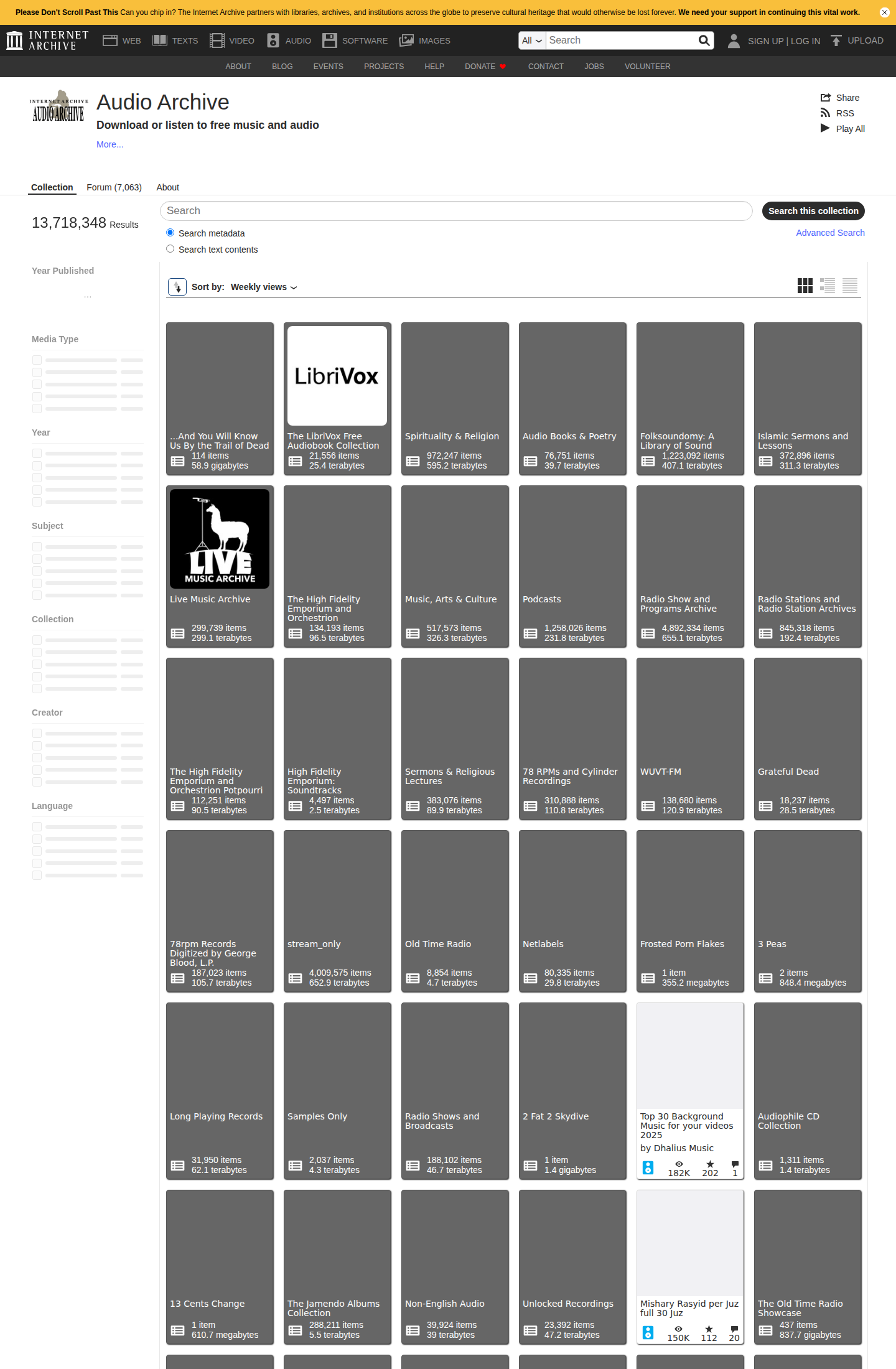
Internet Archive Audio offers a clean example of a legitimate download library with visible collections, previews, and file access paths.
What Makes a Free Music Download Site Worth Using
My baseline is simple. A site belongs on this list only if it meets at least one legitimate model for distribution: public-domain material, Creative Commons or similar open licensing, artist-authorized free downloads, or a clearly described free tier for selected tracks. From there, the evaluation comes down to four practical checks.
Check
Why it matters
Legality and licensing clarity
You need to know whether the file is free for personal listening only, remixing, commercial use, or no reuse at all.
Catalog quality
A large library is not enough if metadata is weak, previews are poor, or the files are difficult to filter.
User experience
The safest source is still frustrating if downloads are buried behind broken pages, bait buttons, or misleading prompts.
Security and trust
Clean HTTPS delivery, consistent branding, and predictable download behavior reduce the chance of malware or fake mirrors.
One more distinction keeps readers out of trouble: free to download does not always mean free to use anywhere. Many platforms allow lawful personal downloads while keeping commercial and redistribution rights restricted. Read the license before you assume anything beyond listening.
Top 10 Free Music Download Sites
1. Internet Archive Audio
Internet Archive Audio is one of the broadest legal collections on the web. It is especially useful if you want live recordings, historical audio, netlabels, older releases, spoken-word material, or public-domain content in downloadable formats.
Pros:
Massive catalog across music, live recordings, and archival collections.
Direct downloads are usually obvious and available in more than one format.
Strong fit for public-domain, preservation, and niche discovery use cases.
Cons:
The interface is functional rather than elegant.
Metadata quality varies by uploader and collection.
You still need to check rights on individual uploads before reuse.
Best for: archival listening, live sets, historical material, and deep catalog exploration.
2. Free Music Archive
Free Music Archive remains one of the cleaner places to find original music that is explicitly made available for listening and downloading. Its real strength is not sheer scale. It is the ability to filter by license and purpose with less guesswork.
Pros:
Good license visibility compared with many discovery platforms.
Useful filters for genre, duration, and public-domain material.
Strong fit for independent music and creator research.
Cons:
The catalog is narrower than mainstream commercial services.
Some readers will find the experience more utilitarian than polished.
License terms still vary by track, so habit matters.
Best for: indie discovery, background music research, and readers who want licensing context up front.
3. Jamendo Music
Jamendo Music focuses on independent artists and has long been structured around free listening and downloadable tracks. It is useful when you want a large indie catalog without depending on artist-by-artist hunting.
Pros:
Large independent catalog with genre and mood browsing.
Downloads are part of the platform model, not an afterthought.
Reasonable choice for discovering artists outside major-label channels.
Cons:
Mainstream chart music is not the point here.
Reuse rights can differ between personal listening and business use.
The catalog can feel uneven if you only want familiar names.
Best for: independent music fans and creators who want a large open-access listening pool.
4. Bandcamp
Bandcamp is not a blanket free-download library, but many artists offer free or name-your-price releases. That makes it one of the best places to get downloadable music directly from artists who control the release terms themselves.
Pros:
Strong artist-direct model with clear release pages.
Excellent for discovering niche scenes and independent labels.
High-quality files are common when downloads are enabled.
Cons:
Availability depends entirely on what each artist chooses to offer.
Free downloads are not universal across the platform.
Some releases require an email exchange or name-your-price flow.
Best for: readers who want to support independent artists while still finding legitimate free releases.
5. SoundCloud
SoundCloud is primarily a streaming platform, but artists can enable downloads for individual tracks. That means it belongs on the list with one important warning label: do not assume every playable track is downloadable.
Pros:
Huge discovery engine for emerging artists and unofficial scenes.
Some creators make original files available directly from the track page.
Fast way to preview music before committing to a download.
Cons:
Downloads are selective, not platform-wide.
Quality and metadata can vary significantly.
It is easy to confuse streaming access with download permission.
Best for: discovery first, downloads second.
6. Musopen
Musopen is a focused resource rather than a general music marketplace. If your priority is classical music, public-domain recordings, and sheet music, it is one of the safest specialized options available.
Pros:
Clear niche: classical recordings, scores, and music education resources.
Strong fit for public-domain and educational listening.
Much less noise than general-purpose download sites.
Cons:
Not designed for pop, hip-hop, or mainstream contemporary discovery.
Some features and limits depend on account level.
The narrow focus will not suit every reader.
Best for: classical listeners, students, teachers, and public-domain searches.
7. Pixabay Music
Pixabay Music is strongest when you need royalty-free tracks for videos, podcasts, presentations, or simple background use. It is not a listener-first music culture destination, but it is efficient and easy to navigate.
Pros:
Simple download flow with broad royalty-free utility.
Useful filters for mood, genre, and production context.
Good option when you need clean background tracks quickly.
Cons:
Better for creators than for album-oriented music fans.
Tracks can feel functional rather than artist-centered.
You still need to review license terms for edge cases.
Best for: content creators who need safe, quick background music downloads.
8. ccMixter
ccMixter remains a useful source for Creative Commons music, remixes, and community-made tracks. It is particularly good if you care about licensing culture and do not mind a more old-school interface.
Pros:
Creative Commons DNA is built into the platform identity.
Good for remix culture, experimental work, and creator projects.
Licensing expectations are generally easier to trace than on random blogs or mirrors.
Cons:
The design feels dated.
The catalog is more specialized than mainstream.
Readers still need to pay attention to the exact license on each track.
Best for: remix-friendly material, creator projects, and license-aware users.
9. SoundClick
SoundClick still provides free MP3 downloads, especially around independent artists and beat producers. It is one of the older platforms in this space, and that history shows in both the catalog and the interface.
Pros:
Long-running catalog of indie music and downloadable beats.
Free-download filtering is direct.
Useful for listeners who want songs and instrumentals outside the major platforms.
Cons:
The interface feels dated compared with newer platforms.
Catalog consistency depends heavily on the artist or producer.
Some listings are better suited to beat shopping than casual listening.
Best for: indie tracks, free beats, and old-school direct-download browsing.
10. BeatStars
BeatStars is best known as a marketplace, but producers can offer free downloads for selected beats. That means it is a strong option if you are looking for instrumentals, demos, or writing-session material rather than a general fan-listening library.
Pros:
Large producer marketplace with many free-beat offers.
Useful for songwriters, rappers, and creators testing ideas.
Download permissions are tied to the producer’s settings and license terms.
Cons:
More beat-marketplace oriented than listener oriented.
Free downloads can come with usage limits or lead-capture steps.
Not the right fit if you want full mainstream song libraries.
Best for: beats, instrumentals, and creator workflow rather than general fan collecting.
Quick Recommendations by Use Case
Best for archives and rare material: Internet Archive Audio.
Best for indie discovery with clear licensing signals: Free Music Archive and Jamendo Music.
Best for artist-direct downloads: Bandcamp.
Best for selective creator-enabled downloads: SoundCloud.
Best for classical and public-domain listening: Musopen.
Best for content creators needing background tracks: Pixabay Music, ccMixter, and BeatStars.
If you are also interested in the broader mechanics behind digital media platforms, this useful resource on media platform architecture is a reasonable side read. It is not a download guide, but it does help frame how catalog, delivery, and user access features are assembled.
How to Download Music Safely
Legal does not automatically mean risk-free. Good habits still matter.
Stay on the official domain. Avoid mirror sites, fake “download now” buttons, and reposted file bundles.
Check the license before reuse. Personal listening rights, remix rights, and commercial-use rights are different questions.
Use HTTPS and a current browser. That does not solve everything, but it removes avoidable failure modes.
Scan unusual files. Music downloads should usually be ordinary audio files, not executable installers.
Prefer direct downloads over bundled downloader tools. A clean MP3 or FLAC file is normal. Extra software usually is not.
Keep a local record of licenses for project use. If you rely on a track for client work or a public video, document the source and terms while they are easy to retrieve.
Final Recommendation
If you want one conservative rule, use purpose to choose the platform. For general legal exploration, start with Internet Archive Audio, Free Music Archive, and Jamendo Music. For artist-direct discovery, use Bandcamp and SoundCloud with the understanding that downloads are selective. For classical material, use Musopen. For creator projects and background tracks, keep Pixabay Music, ccMixter, SoundClick, and BeatStars in rotation.
The important part is not finding the largest pile of files. It is finding a source that gives you a clean chain of trust. That means clear rights, an obvious download path, and a realistic understanding of what you are allowed to do with the track after it lands on your device. That discipline is not glamorous, but it prevents preventable messes. On the internet, that is usually the winning strategy.
Music downloading did not arrive as a single clean upgrade. It came in stages, each one solving one problem while creating another: convenience improved, ownership changed, quality expectations shifted, and the industry had to keep rebuilding its distribution model.
Readers usually come to this subject with a short list of practical questions:
For broader planning context, teams can compare guidance from Google Search Central before choosing a workflow.
How did listeners move from buying discs to collecting files on computers and phones?
Why did the MP3 become the format that changed everything?
What made services like Napster and iTunes feel so different from one another?
Why do downloads matter less now that streaming dominates everyday listening?
The history matters because each stage changed the baseline for music access. Before downloads, music was tied to physical inventory, shipping, and limited shelf space. Once music became a file, the failure mode changed: the main constraint was no longer how many discs a store could carry, but how quickly a connection could move data and how confidently a listener could organize a digital library. That shift still shapes how people discover songs, buy tracks, and decide whether access or ownership matters more.
In this guide, I will walk through the sequence methodically: what music access looked like before downloads, why MP3 compression was a turning point, how early download services changed consumer expectations, why streaming overtook file purchases, and where downloads still hold value today. If you want more context on how this site approaches music and technology topics, visit our blog archive or use the contact page to suggest a subject worth documenting.
Distribution formats changed the listening experience just as much as recording technology did.
Terminology and the Baseline Before Downloads
Before moving through the timeline, it helps to define the terms. Physical media means formats such as vinyl records, cassette tapes, and compact discs. Digital downloads are music files copied from an online source to a user’s device for local playback. Streaming means on-demand playback that relies primarily on remote hosting rather than a permanently stored local library, even when temporary offline caching is available.
Related implementation details are also covered in WordPress documentation, which helps keep tool decisions grounded in established practices.
That baseline matters. In the physical era, music buying involved inventory control, retail distribution, and a predictable exchange: the listener paid for a copy and owned that copy. The consumer could lend it, shelve it, or damage it through ordinary use. Quality was tied to the format and playback equipment. Access depended on what local stores stocked, what a mail-order catalog carried, or what a friend was willing to dub onto a tape. The friction was obvious, but so was the sense of possession.
Compact discs started to bridge two worlds. They were physical objects, but their data was digital. That distinction mattered because it prepared both the industry and the public for the idea that music could exist as information rather than as a purely analog artifact. Once a song could be ripped from a CD to a computer, the path to downloadable music was no longer theoretical. It was operational.
Introduction to Music Downloading
The earliest phase of music downloading was defined by a simple consumer insight: people wanted faster access, lower storage burden, and more control over individual songs rather than full albums. In the CD era, buying music often meant paying for ten or twelve tracks to get the two you actually wanted. Downloads promised a more precise transaction.
At first, downloading was limited by hardware and network conditions. Personal computers had finite storage, dial-up internet connections were slow, and managing music files required more patience than most listeners enjoy today. A single song could take long enough to download that the process felt deliberate. That inconvenience, however, was still less burdensome than driving to a store, hoping the album was in stock, and paying full album price for a narrow set of favorites.
Downloading also aligned with a broader consumer trend: the unbundling of media. Readers saw similar patterns in software, photography, and video. Once content became files, users expected search, portability, and the ability to sort by personal preference rather than retailer shelf logic. Music happened to be one of the first industries where that expectation collided at full speed with copyright, licensing, and platform design.
The Rise of MP3s and Digital Formats
No format explains the download era better than the MP3. MPEG-1 Audio Layer III did not invent digital audio, but it created a practical balance between file size and acceptable listening quality. That balance was decisive. Earlier digital audio files could sound good, but large file sizes made them awkward to move across consumer internet connections. MP3 compression reduced that burden enough for widespread sharing and downloading to become normal behavior.
From a user perspective, the MP3 solved three problems at once:
It made songs small enough to transfer over late-1990s home internet connections.
It allowed users to store large libraries on computer hard drives and portable players.
It encouraged the idea that a track was a portable asset, not just one part of an album package.
That shift changed consumer behavior quickly. People began organizing music by mood, artist, and personal playlists rather than by the physical order of a shelf. Music collections became searchable. Copying a song no longer reduced the original owner’s access, which was convenient for listeners and deeply disruptive for rights holders. The core advantage of the MP3 was not only compression; it was control.
Other digital formats remained relevant. WAV files preserved more information but were too large for casual downloading in the early mainstream internet era. AAC later became an important format for commercial stores and device ecosystems because it could offer efficient compression with strong quality. FLAC and other lossless formats eventually served listeners who prioritized fidelity and archival value. Even so, when people discuss the cultural turning point, they usually mean the MP3 period, because that is when digital music became ordinary rather than specialized.
Portable hardware reinforced the trend. CD burners made it easy to move tracks between discs and computers. MP3 players then separated music collections from desktop machines. The iPod did not create digital music files, but it gave them a disciplined consumer interface: sync your library, carry thousands of songs, browse by artist, album, or playlist. Once that became routine, the market had very little interest in returning to friction-heavy distribution.
Comparison of Early Music Download Services
Early services mattered because they taught consumers what digital music could feel like. They also showed that access model design, not just audio format, would determine trust, scale, and revenue.
Era or service
Main strength
Main weakness
Why it mattered
Peer-to-peer sharing, especially Napster
Huge searchable libraries and fast cultural adoption
Legal instability and inconsistent quality
Proved that demand for digital access was far larger than the formal industry expected
Normalized paying for digital files and made single-track purchases mainstream
Device-linked ecosystems
Tighter library management and portable playback
Some users felt locked into specific software or hardware
Connected downloads to everyday mobile listening habits
Napster, launched in 1999, became the most famous early disruption because it made music search and retrieval feel immediate. Users could type a song title, see available files, and start building personal libraries at a scale that physical retail could never match. The system also exposed several obvious risks: mislabeled files, uncertain audio quality, partial tracks, malware concerns in the broader peer-to-peer ecosystem, and copyright disputes that eventually forced a legal reckoning. Still, the lesson was unmistakable. Consumers had already decided that digital access was the future; the industry was deciding only what kind of future it would allow.
The iTunes Store, launched in 2003, addressed a different set of priorities. It emphasized legitimacy, predictable pricing, cleaner metadata, and a user experience tied to the growing popularity of the iPod. Buying a single song for a standard price felt efficient and fair compared with the old album-only mindset. The store did not match the anarchic breadth of peer-to-peer networks, but it offered something many listeners and labels were ready to accept: a legal middle ground between full physical ownership and uncontrolled file sharing.
Other services filled niche roles. Some focused on independent artists, some on subscription downloads with restrictions, and others on bundled device storefronts. Their long-term importance varied, but together they trained the market to expect several features as standard operating procedure: search, previews, metadata, playlist creation, portable playback, and instant access after payment. Once that expectation was established, the remaining question was not whether digital distribution would win. The question was whether users would keep buying files or migrate toward access-first platforms.
Impact of Streaming on Music Downloads
Streaming changed the value calculation. Download stores had solved the “where do I get the song?” problem, but streaming services addressed a different consumer concern: “Why manage a large local library at all if nearly everything can be played on demand?” That reframed the entire market.
Spotify, which launched in 2008 and expanded gradually across markets, showed how subscription access could compete with file ownership by reducing friction even further. Apple Music later reinforced the model by bringing streaming into a company that had already shaped the download-store era. The consumer proposition was simple: instead of buying and organizing thousands of tracks, pay for access to a large catalog, discover new music through recommendations, and move between devices with minimal setup.
This transition changed habits in several important ways:
Listeners became less focused on building permanent local libraries.
Playlists and recommendation systems started to influence discovery more than file folders and album purchases.
The concept of ownership weakened for mainstream audiences, while convenience became the dominant purchase criterion.
Artists and labels had to adapt from unit sales logic to ongoing engagement and platform visibility.
Downloads did not disappear overnight. They remained useful for DJs, collectors, travelers, users with limited or expensive internet access, and listeners who wanted stable control over purchased files. But the center of gravity moved. In practical terms, streaming turned music into a utility service: always available, constantly updated, and less dependent on the user maintaining a carefully organized archive.
There is an operational tradeoff here that often gets overlooked. Downloads offer a clearer recovery path because the user keeps local copies. Streaming offers convenience, but access depends on licensing agreements, platform policies, subscription status, and connectivity. If a track leaves a catalog, the listener usually loses routine access. That is one reason downloads still matter for people who care about permanence, not just playback.
One of the most important consequences of downloading was behavioral, not technical. Physical formats encouraged album listening because the product was packaged that way. Downloads encouraged track-by-track decision-making. Once listeners could search for a single song, buy a single song, or share a single song, the album lost some of its historical control over how music was consumed.
That change produced several long-term effects. Playlists became more influential than release sequencing. Recommendation culture became stronger because users were no longer limited by the contents of one disc. Genre boundaries became easier to cross because a library could contain one jazz track, one reggaeton hit, one indie single, and one classical recording without any physical storage penalty beyond hard-drive space. Downloads made personal curation part of ordinary listening.
The car stereo, the burned CD, and later the smartphone all played support roles in this shift. People stopped thinking of music libraries as fixed objects stored in one room of the house. Instead, libraries became portable, editable, and deeply personal. That portability also changed expectations around legitimacy and speed. If a service could not deliver a clean file quickly, the market became less patient. Convenience stopped being a luxury feature and became the baseline.
This is also why the move from downloads to streaming happened so quickly once catalog depth improved. Downloads had already trained listeners to expect instant search, selective listening, and mobile access. Streaming simply removed the remaining friction of file management for the majority of users. In that sense, the download era was not a dead end. It was the transition layer that taught the public how to live with digital music at scale.
Future Trends in Music Consumption
The future is unlikely to be a simple return to paid downloads, but it is also unlikely to erase them completely. Several trends point toward a mixed environment in which streaming remains dominant while ownership-based use cases stay relevant.
1. High-resolution and collector-oriented purchasing
Some listeners continue to value local files for quality control, archival certainty, and format choice. Lossless and high-resolution stores serve that audience. It is not the mass market, but it is a durable segment because it solves a real problem: people who want lasting access do not like renting their entire listening history.
2. Offline reliability remains valuable
Streaming platforms offer offline modes, but those depend on app support, account status, and device synchronization. Purchased downloads remain the minimum safe setup for listeners who need music in environments with poor connectivity or who simply prefer a library that does not change without notice.
3. Platform ecosystems will keep shaping behavior
Recommendation engines, social sharing, bundled subscriptions, and voice-device integration will continue to influence what listeners hear first. In other words, discovery may become even more platform-driven, while downloads survive as a deliberate choice for users who value control over convenience.
4. Artists will keep balancing access and direct support
Independent musicians increasingly work across several channels at once: streaming for reach, direct sales for margin, merchandise for loyalty, and community platforms for repeat support. Downloads fit into that mix as one of the few digital products a fan can actually keep.
The practical outlook is therefore not “downloads are dead.” It is more precise to say that downloads have moved from default behavior to selective behavior. That is a meaningful downgrade in market share, but not a full disappearance. Formats and platforms change; the listener’s priorities remain more stable than the headlines suggest. People still want convenience, reliability, and a sense that the music they pay for will remain accessible when conditions change.
Key Takeaways From the Download Era
Physical media established the ownership model, but also limited selection, portability, and convenience.
MP3 compression changed the economics of access by making music files small enough for mass consumer downloading.
Napster and early peer-to-peer networks proved demand, even though they could not provide a stable legal model.
Commercial download stores normalized legitimate file purchases and made single-track buying routine.
Streaming won the mainstream market by removing library-management friction, not by making downloads technically impossible.
Downloads still matter where control, archival value, and offline reliability matter most.
The evolution of music downloads is, at heart, a record of changing tradeoffs. Every stage improved some part of the listener experience while weakening another. Physical media offered ownership with friction. Downloads offered control with file-management overhead. Streaming offered convenience with less permanence. Understanding that sequence helps keep the current landscape in proportion.
If you are reviewing your own habits, the simplest checklist is still the most useful one: decide which music you only need to access, which music you want to keep, and which platform choices leave you with a reasonable recovery path if a service changes its terms. Digital convenience is excellent right up to the moment it is someone else’s switch to flip. That is not panic. It is just good system design applied to listening.
{% if featuredImage and featuredImage != "" %}
{% endif %}
{% if excerpt %}
{{ excerpt | truncatewords: 55 }}
{% endif %}
Cartridge Cahuna MusicPhysical address: 2400 E Commercial Blvd, Fort Lauderdale, FL 33308, USA