World music is the planet’s group chat for your ears: loud, surprising, and full of voices that make the map feel bigger than the room you are sitting in.
By June Park · July 14, 2026
When people search for world music, they are usually trying to answer a few plain-English questions: What does the term actually mean? Why does one tradition sound so different from another? How do rhythm, language, instruments, and ceremony all end up in the same song? And where should a curious listener begin without feeling like they need a passport, a glossary, and a better chair?
I like this subject because it turns listening into a small adventure. The label itself is broad, sometimes awkward, and a little too tidy for something as unruly as global sound. Still, it is a useful doorway. Britannica’s overview of world music is a good reminder that the phrase covers a wide field of traditions rather than one neat genre with a single beat pattern and matching shoes.
In this guide, I will walk through the idea of world music, tour a few major traditions, explain how culture shapes the sound, and give you a practical way to explore without getting lost in the buffet line. If you want the short version of how this site thinks about music and curation, the About page has the background, the Blog collects more essays like this one, and the Contact page is where suggestions and corrections can land.
You will leave with a clearer sense of what world music includes, what makes each tradition distinct, and how to build your own listening path one track at a time.
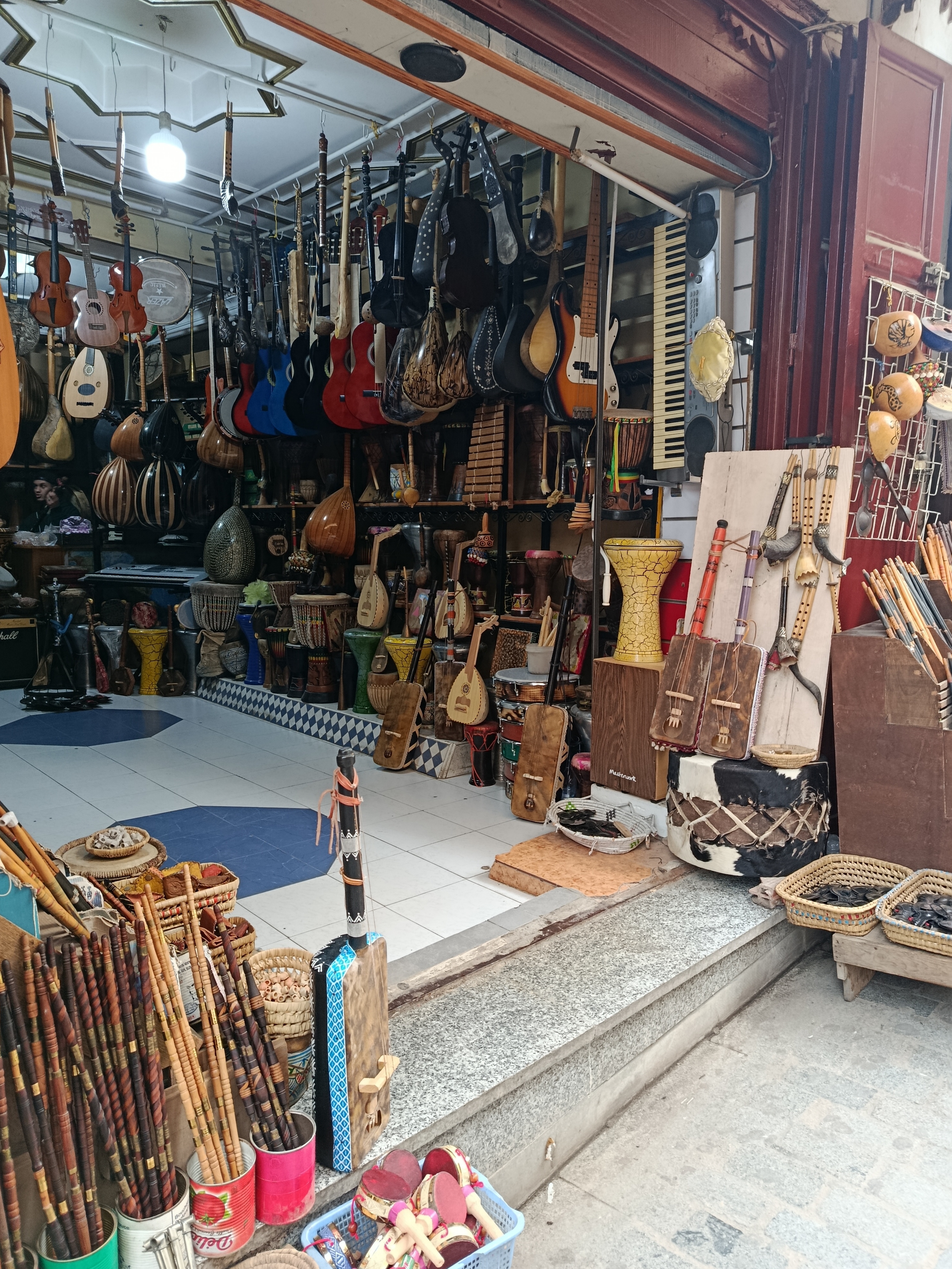
What World Music Really Means
The phrase world music does not point to one sound. It points to many sounds that grew out of different places, languages, faiths, ceremonies, migrations, and everyday lives. That is the first useful mental shortcut: world music is not a style that behaves the same everywhere. It is a shorthand for traditions that often sit outside the mainstream Western pop pipeline, but the category is much richer than that simple boundary.
Think of it less like a genre shelf and more like a transit map. You are not trying to force everything into one lane. You are tracing routes: from court music to street celebration, from prayer to dance, from village gatherings to global festivals, from oral tradition to digital archive. The label is imperfect, but the listening journey can still be beautiful.
Here are a few terms that come up often when people talk about world music. They are not magic spells, but they help the conversation move from vague to useful.
| Term | Plain meaning | Why it matters |
|---|---|---|
| Polyrhythm | Two or more rhythms happening at once | Common in many African and diaspora traditions; it gives music a layered, moving pulse |
| Raga | A melodic framework in South Asian classical music | Shapes mood, time of day, and the notes a performer can explore |
| Maqam | A melodic system used in Middle Eastern music | Guides the shape of a melody and the emotional path it follows |
| Call-and-response | A musical exchange between leader and group | Turns performance into conversation, not just display |
| Timbre | The color or texture of a sound | Explains why a kora, oud, sitar, or flute can feel instantly recognizable |
If you keep only one thing from this section, keep this: culture is not decoration around music; culture is the engine that helps the music know how to move.
A Tour of Different Cultural Music Styles
This is the part where the map opens up. A good way to approach world music is not to chase “the best” tradition, because there is no fair scoreboard for a drum pattern, a vocal line, or a ceremony. A better goal is to hear how different communities solve the same human problem: how to turn feeling into sound and sound into shared meaning.
West African rhythms: the architecture of pulse
In many West African traditions, rhythm does not sit in the background like wallpaper. It is the room. Drums, bells, handclaps, and voices often interlock in patterns that feel both precise and alive. The music can move quickly without becoming messy, because each part has a role. That sense of collective motion is one reason these traditions have shaped so many forms of music across the Atlantic world.
When you listen, focus on the conversation between parts. One player may anchor the groove while another adds a syncopated line that seems to lean forward. The ear learns to hear not just a beat, but a structure. If you want a trustworthy doorway into this broader field, the Library of Congress collection on world and traditional music is a useful place to wander because it treats recordings as living documents, not museum dust.
South Asian traditions: melody with a memory
South Asian classical music often treats melody like a path with clear landmarks. A raga is not simply a scale; it is a frame that guides ornament, mood, and improvisation. That means a performance can feel both free and disciplined at the same time. One note may stretch, wobble, or bloom for longer than a pop listener expects, but that stretching is part of the point. It gives the listener time to enter the atmosphere.
What makes this tradition so compelling is the way it ties technique to feeling. It is not just about showing skill. It is about drawing the listener into a particular time of day, emotional tone, or spiritual space. If you are new here, do not worry about memorizing terminology on day one. Start by listening for repetition, ornament, and the way a performer returns to a central pitch like someone returning to a home address.
Middle Eastern and North African music: the pull of maqam
Middle Eastern and North African traditions often use melodic systems that give music a strong sense of direction and emotional color. The maqam system, in particular, invites a listener to hear how a melody can lean, resolve, and drift without ever feeling random. Voice and instrument frequently share the same expressive logic, so a song can feel intimate even when the arrangement is rich.
These traditions are also a reminder that music and place are rarely separate. A song may carry the contour of a city market, a household celebration, a religious ceremony, or a long memory of migration. For a broader cultural frame, UNESCO’s explanation of intangible cultural heritage is helpful because it shows why a musical tradition matters beyond entertainment. It is often a vessel for language, ritual, and identity.
Latin American and Caribbean sound: dance as structure
In much of Latin American and Caribbean music, dance is not a side effect. It is part of the architecture. Percussion, bass, guitar, brass, and voice often work together to create tension and release that the body can feel before the mind can label it. You hear this in son, salsa, samba, cumbia, tango, merengue, reggae, and countless local styles that do not fit neatly into a single export label.
These traditions often show how music changes when communities move, mix, and adapt. A rhythm travels. A chord progression gets bent. A dance floor becomes a place where memory and invention shake hands. If you want a good listening habit, compare one traditional performance with a more recent recording of the same style. The differences tell a story about how music survives by refusing to stay frozen.
Eastern Europe and the Balkans: ornament, drive, and edge
Folk traditions in Eastern Europe and the Balkans often combine sharp rhythmic drive with highly ornamented melody. You might hear fast dance tunes, asymmetrical meters, accordion lines, string ensembles, or vocal harmonies that sound almost like they are trying to thread a needle at speed. The result can be exhilarating. It also makes clear that “folk” does not mean simple. Sometimes folk music is just classical-level complexity wearing more comfortable shoes.
What I love here is the emotional range. A tune can feel mournful and ready to dance at the same time, which is one of music’s better tricks. It refuses to behave like a mood label. The listener gets a reminder that joy and grief are frequently neighbors, and sometimes they share a kitchen.
East and Southeast Asian traditions: texture, restraint, and space
Across East and Southeast Asia, musical traditions can emphasize timbre, spacing, and controlled gesture. That does not mean they are quiet in spirit; it means the drama often comes from nuance rather than volume. A bamboo flute, plucked string instrument, or gamelan ensemble can create a sound world where resonance matters as much as melody.
This is one of the best places for a listener to slow down. Do not ask the music to hurry just because your algorithm has the attention span of a caffeinated squirrel. Let the gaps speak. Notice what the performer leaves unsaid. Notice how the body of the instrument, the room, and the air all become part of the composition.
Indigenous and diaspora traditions: continuity under pressure
Many of the most meaningful world music traditions live inside communities that have carried them through migration, colonial pressure, displacement, and revival. In those cases, music is not only art. It is also continuity. A song can preserve a language fragment, a ceremonial pattern, or a family memory that would otherwise have vanished into the historical fog.
That is why listening with respect matters. You are not just consuming a sonic novelty. You are hearing a living practice that may be tied to resilience, community responsibility, and transmission between generations. The best listening posture here is humble curiosity. Ask what the music does for the people who keep it alive, not just what it does for your own playlist.
How Culture Shapes Music
If you want a clean answer to why world music sounds so different from place to place, the answer is not “because people are random.” The answer is that music grows inside a web of real conditions. Language changes melody. Ceremony changes pacing. Geography changes instruments. Migration changes audiences. Religion changes function. Trade changes taste. Technology changes the way songs travel.
That is the boring magic of music history: every sound carries the fingerprint of the world that made it.
Here are some of the biggest forces at work.
- Language: Tonal languages may shape melodic contour, while poetic forms influence repetition, rhyme, and phrasing.
- Ceremony: Weddings, funerals, harvests, prayer, and initiation rites all call for different tempos and emotions.
- Geography: Materials available locally affect instruments, from bamboo flutes to skin drums to metal percussion.
- Community memory: Songs can preserve stories, genealogy, protest, and humor long after written records fade.
- Migration and exchange: When people move, music travels with them and picks up new flavors on the road.
- Technology: Radio, tape, streaming, and digital archives decide what gets heard far beyond its original home.
One reason this matters is that world music is often discussed as if it were static, as if each tradition arrived in a glass case. That is almost never true. A tradition may be ancient and modern at the same time. A song can be old enough to carry a village’s memory and current enough to live on a phone speaker. The contradiction is not a bug. It is the actual operating system.
For a broader perspective on how living traditions are defined and protected, Smithsonian Folkways is useful because it treats recordings as part of an ongoing cultural conversation, not as dead artifacts. That attitude matters when you are trying to understand why a melody can feel historical without feeling stale.
It also helps to remember that culture shapes not only what music sounds like, but how people use it. In some places, music belongs to a celebration. In others, it belongs to work, ritual, resistance, or healing. In others still, it is simply the thing that makes a long evening feel like a community rather than a waiting room. The function changes the form. The form changes the listening.
How to Explore World Music Without Getting Lost
A lot of listeners freeze here. The field is wide, the terminology is unfamiliar, and the streaming apps are very happy to hand you a playlist with no context and a shrug. So let’s make a small map that does not require a music degree or a saint’s patience.
Start with one doorway
Pick one region, one instrument, or one performer. That is enough. Do not try to “cover the world” in a weekend. If you begin with the kora, for example, you can move from one player to another and hear how the same instrument changes voice across countries, families, and generations. If you begin with the sitar, you can listen for how melody unfolds over time. If you begin with percussion, you can study how rhythm organizes social energy.
Use the compare-and-contrast trick
Listen to two tracks back to back from different traditions and ask three questions: What is driving the rhythm? What kind of emotion does the voice or instrument carry? What is the role of silence? This is a tiny but useful method because it makes your ear active instead of passive. You stop hearing “foreign music” as a blur and start hearing decisions.
Let archives do some of the work
Not every great listening experience comes from a recommendation engine. Some come from archives, libraries, museums, and public collections that preserve recordings with context. The Library of Congress and similar institutions can help you hear the difference between a surface-level playlist and a real historical trail. That matters if you want to understand why a song exists, not just whether it sounds catchy in the first twelve seconds.
Build a tiny listening map
| If you already like… | Try this next | What to listen for |
|---|---|---|
| Fast dance music | West African drumming or Balkan dance tunes | Interlocking rhythms, tempo shifts, and group energy |
| Long guitar or string solos | South Asian raga or Middle Eastern instrumental improvisation | Melodic development, ornament, and patience |
| Big choral sound | Call-and-response traditions or communal singing | Leader-group exchange and layered voices |
| Atmospheric, texture-heavy music | Gamelan, folk ensembles, or court music | Timbre, resonance, and space between notes |
| Pop songs with strong hooks | Latin and Caribbean rhythms | How percussion and bass shape the body’s response |
That table is not a law, obviously. It is a bridge. Use it the way you would use a good neighborhood map: as a way to find the first interesting street, not as a commandment etched into stone.
Follow one playlist, then leave it
Playlists can be useful, but they are only the appetizer. Once a track catches your attention, search for the artist, the instrument, the region, or the label behind it. That is how a casual listen becomes a real habit. You move from “nice song” to “interesting tradition” to “I want to understand the community that made this.”
If you need a practical place to keep your questions, use the Contact page as a suggestion box and the Blog as your running notebook. The site is built to be browsed, not just visited once like a polite stranger who never calls back.
Try live recordings and field recordings
Studio albums are often polished in ways that can hide the room, the audience, and the everyday human noise around the music. Live recordings and field recordings sometimes give you the missing context: applause, call-outs, footwork, ambient sound, and the tiny imperfections that make performance feel real. Those details can be the difference between hearing a song and hearing a culture at work.
That does not mean polished recordings are bad. It means they are one version of the story. A good listener samples more than one version before deciding what the music “is.”
A Small, Sensible Listening Routine
If all of this still feels a little broad, good. Broad is normal. The trick is to turn broad into manageable. Here is a routine I recommend for anyone starting from zero:
- Pick one region or tradition for the week.
- Find one authoritative overview, one archive, and one living performer.
- Listen to three tracks: one old recording, one recent performance, and one collaboration or crossover piece.
- Write down what you heard in three words, then revise those words after a second listen.
- Search for the instrument, dance, or ritual connected to the music.
- Repeat the process with a different region the next week.
This routine works because it is small enough to finish. It keeps the curiosity engine running without turning listening into homework with bad lighting. You are not trying to master the planet in one afternoon. You are building familiarity, and familiarity is how respect grows.
Why This Matters Now
Streaming has made the world sound closer, but it has also made context easier to lose. A listener can jump from an Algerian chaabi track to a Peruvian folk song to a Filipino kulintang performance in less than a minute. That is thrilling. It is also dangerous if the music becomes only atmosphere.
World music deserves better than background status. It carries history, migration, memory, and local knowledge. It also carries delight, which is not a minor thing. Sometimes delight is the first door that opens the bigger room. If a tune makes you dance, hum, or sit up straighter, follow that reaction. Then ask why it happened.
That is where the deeper reward lives. Not in collecting sounds like trophies, but in recognizing how many ways humans have found to make rhythm feel like community and melody feel like a story.
Conclusion: Pick One Door and Open It
World music is less a category than a conversation. It asks you to listen with more patience, more context, and a slightly better sense of humor about your own ignorance. One tradition may impress you with rhythmic complexity. Another may slow you down until you hear the space between notes. Another may feel like a ceremony you were lucky enough to witness from the edge of the room.
If you remember only three things, make them these:
- World music is a map of many living traditions, not one style.
- Culture shapes sound through language, ceremony, geography, and memory.
- The best way to explore is one doorway at a time, with archives and context nearby.
For a deeper look at living traditions, the UNESCO intangible heritage page is a strong next stop, and it pairs well with the recording collections at the Library of Congress and the listening catalog at Smithsonian Folkways. Those three together give you history, context, and a lot of ears to borrow.
My recommendation is simple: choose one tradition today, listen to three tracks, and keep one note about what changed in your understanding. That tiny habit is enough to turn world music from a vague label into a real cultural journey. And once that starts, the planet gets a little louder in the best possible way.