By Felix Rowan | Updated June 29, 2026
If you think film music is just decoration, the next bad scene you watch will probably correct you. Music in film is not frosting. It is pacing, pressure, memory, and often the difference between a scene that lands and a scene that wanders around looking for its shoes.
When people search this topic, they usually want the same practical answers: what does a film score actually do, why does one theme stay in your head for years, why do some scenes collapse when the music is removed, and why does the wrong cue make a serious moment feel accidentally comic? The reason to study it is not abstract. Film Independent’s brief history of film music shows how scoring grew from live accompaniment into a central storytelling tool, while Britannica’s overview of film score keeps the definition grounded: the score is the music written or chosen to support the film, not a random playlist with better lighting.
I will keep this direct. Music shapes what a viewer feels, but it also shapes what the viewer thinks they are seeing. A triumphant brass line can make a minor action look epic. A single uneasy note can turn a normal hallway into a threat. That is why the role of music in film matters to editors, directors, composers, and anyone who has ever wondered why a quiet scene suddenly feels important. If you want more related reading on this site, the blog archive collects the music guides, the about page explains the site’s focus, and the contact page is the place to request a follow-up topic or cleaner explanation.
Here is what you will get by the end: clear definitions, a simple map of score types, case studies that show how music changes audience perception, and composer insights that explain why the best scores usually work by restraint rather than by trying to win an argument with the picture.
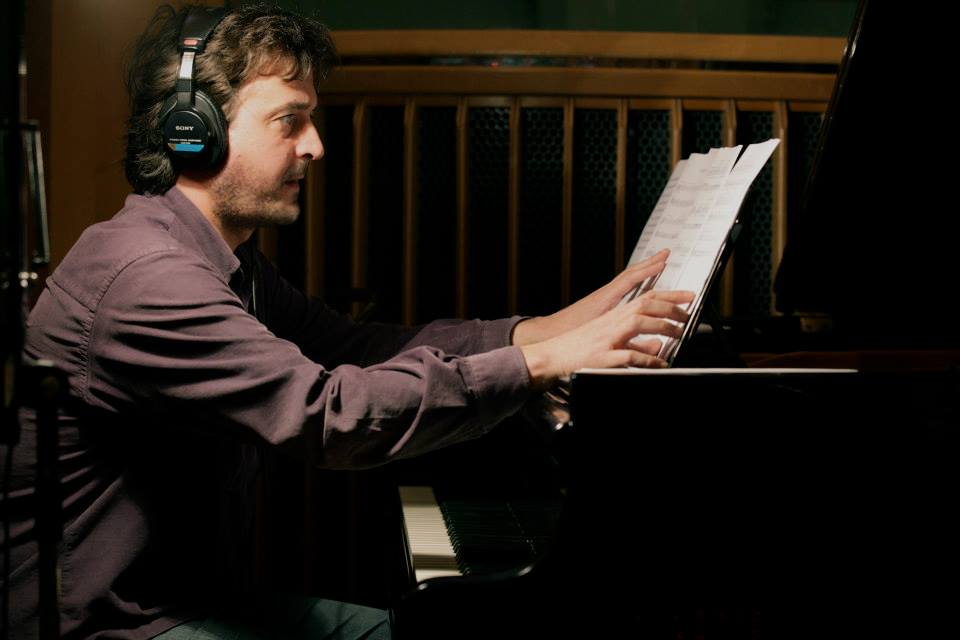
Definitions that keep the conversation honest
Film music gets talked about as if everyone already agrees on the vocabulary. They do not. If you mix up the terms, the analysis becomes mush. So I start with the words that matter.
| Term | Plain meaning | Why it matters in a film |
|---|---|---|
| Diegetic music | Music that exists inside the world of the story and can be heard by the characters. | It makes scenes feel lived-in, ironic, or awkward in a useful way. |
| Non-diegetic music | Music heard by the audience but not by the characters. | This is the classic score that steers emotion and pace. |
| Leitmotif | A recurring theme tied to a person, idea, place, or force. | It helps the audience recognize meaning before the script spells it out. |
| Underscore | Background music that sits under dialogue or action. | It supports tone without dragging attention away from the scene. |
| Cue | One specific entry or passage of music. | Editors and composers use cues to time emotional shifts precisely. |
| Temp track | A placeholder track used during editing before the final score exists. | Useful in production, dangerous if the whole film starts worshipping it. |
| Source scoring | A blend of diegetic and non-diegetic music. | It lets a film move between realism and emphasis without announcing the trick. |
The clearest public explanation of this split is still the one film editors use every day. The diegetic music page does the obvious job well: if the character can hear it, it is diegetic; if only the audience hears it, it is not. That sounds simple until a film decides to blur the line on purpose, which is where the interesting work begins.
How music changes what a film means
Here is the blunt version: music is one of the few tools that can tell the viewer how to feel before the dialogue catches up. It can also tell the viewer what kind of scene they are in. A dialogue exchange about a school reunion becomes something else when the music turns brittle. A chase scene becomes either heroic, absurd, or exhausting depending on the cue, and that is not a small detail. It is the emotional operating system.
That is why the best film music does at least one of four jobs. It can confirm what the image already suggests. It can contradict the image and create irony. It can extend a feeling that the image only starts. Or it can withhold emotion until the exact frame where the film needs a jolt. Good composers do not just write melodies. They manage expectations, which is a less glamorous job and more useful than glamour, as usual.
The history matters too. Early cinema depended on live accompaniment. As Film Independent notes in its history of film music, once synchronized sound became practical, the score stopped being an optional garnish and became part of the film’s storytelling machinery. That change is why modern viewers now hear a scene as incomplete when the music is removed. The brain gets lazy in the most expensive way possible: it starts expecting the score to carry half the scene.
Music also works through memory. A theme does not need to explain itself in the moment if it has already been planted earlier. This is why recurring motifs are so effective. They are not just catchy. They are bookkeeping. The audience does not always notice it, but the theme tells the mind, “You have seen this threat before,” or “This person matters,” or “This place will not stay safe.”
Types of film scores and musical functions
The phrase “film music” covers several different jobs. The category sounds neat. The practice is messy. That is normal. Films are built from compromises, not museum labels.
1. Symphonic or orchestral score
This is the familiar Hollywood model: strings, brass, woodwinds, percussion, and a theme that wants to make your shoulders sit up straighter. It is often used for blockbusters, adventure films, fantasy, historical drama, and anything that needs scale. The orchestral score is useful because it can move from intimate to enormous without changing language. It speaks in volume, color, and rhythm, not just in notes.
2. Minimalist score
Minimalist scores use fewer notes, fewer moving parts, and often more space. That does not mean they are weak. It means they are less interested in impressing you than in occupying your nervous system. Bernard Herrmann understood this very well. So did later composers who realized that silence and restraint can create more tension than a choir trying to earn a standing ovation.
3. Source music and needle drops
Source music is music that exists inside the story world. Needles drops are pre-existing songs dropped into scenes for identity, irony, nostalgia, or shock. When used well, both can make a film feel culturally specific. When used badly, they make a film feel like it was edited by someone who found a streaming playlist and panicked.
4. Leitmotif-driven scoring
This is the method most viewers recognize even if they do not know the term. A specific theme follows a character, object, or idea, so the audience hears narrative relationships before the script verbalizes them. Britannica’s film score overview is useful here because it keeps reminding readers that scores are not random sound design. They are structured narrative signals.
5. Hybrid scoring
Modern films often combine orchestra, electronics, percussion loops, sound design, and songs. This is where the old purity tests become silly. A good film does not care whether the cue was built from violins, synths, or three hundred carefully edited handclaps. It cares whether the cue solves the scene.
Here is a compact summary:
| Score type | Main job | Best known effect |
|---|---|---|
| Orchestral | Scale and sweep | Makes the story feel larger than the frame |
| Minimalist | Tension and restraint | Makes small changes feel dangerous |
| Source music | World-building | Makes the scene feel inhabited |
| Leitmotif-driven | Memory and identity | Links people and ideas across the film |
| Hybrid | Flexibility | Combines emotional tools instead of choosing one religion |
Case studies of iconic soundtracks
Examples matter because theory can start sounding noble while being wrong. The following films show that music does not merely decorate the image. It edits the viewer’s response in real time.
Star Wars: how a theme creates a universe
The Star Wars soundtrack is the obvious case study because it is one of the rare scores that escaped the film and became a public cultural object. That is not just because the music is catchy. It is because John Williams gave the franchise a vocabulary. The opening fanfare does not merely say “adventure.” It says “this world has rules, history, and moral weight.”
The Berklee article John Williams and the Music of Star Wars is useful because it points to the neoclassical approach behind that sound. Williams blends the old Hollywood language of leitmotifs, orchestral color, and heroic phrasing, then bends it toward the needs of modern blockbuster storytelling. In plain English: he uses the orchestra like a narrative filing system. The audience hears a theme and instantly knows where to put the emotion.
The cantina sequence also gives a clean example of diegetic music. The band is literally in the scene. The characters can hear it. The audience can hear it. The story lets the music exist as part of the world before the score later steps in to take over the emotional steering wheel. That shift is one of the cleanest demonstrations of how film music can move between realism and myth without breaking the film’s internal logic.
The result is not subtle, and that is the point. Star Wars needed a sound large enough to hold space opera, family drama, political decay, and toy merchandising without collapsing under the weight of its own seriousness. Williams did not solve that by being quiet. He solved it by making the music memorable enough to carry identity. The films have many moving parts, but the score gives them a spine.
Titanic: when a love story needs scale
The Titanic soundtrack shows a different job. James Horner’s score does not build a galaxy. It builds feeling across disaster. The film needs romance, class tension, historical scale, and catastrophe. That is a lot to ask from one musical language, so Horner uses melody and texture to keep the emotional threads connected even as the ship and everyone on it move toward the obvious bad ending.
The famous song My Heart Will Go On matters because it extends the score into the public ear. A film theme that crosses into pop culture changes the memory of the movie itself. People remember the song, then the scene, then the emotional shape of the story. The song becomes a souvenir with better marketing than most films manage in a year.
What makes Titanic important is not just the song’s success. It is the way the score keeps the romance from floating away from the disaster. The music repeatedly reminds the audience that this is not a disaster film with a love subplot. It is a love story being crushed by a disaster. That distinction matters. Without the score, the film risks becoming a very expensive sequence of logistics. With it, the film feels like loss.
Horner also uses repetition wisely. He does not hit the viewer over the head with a single emotional hammer. He reintroduces material in slightly different contexts so the audience feels continuity across the film’s tonal shifts. That is the real lesson: a score does not need to be loud to be effective. It needs to be dependable.
Psycho: when less music means more fear
Psycho remains one of the clearest examples of music doing brutal narrative work with almost no ornament. Bernard Herrmann’s shrieking string writing is famous because it refuses comfort. The music does not soothe the audience before the famous shower scene. It attacks the scene. That is a useful distinction. Herrmann is not decorating violence; he is making panic audible.
This is where the popular idea of “good music” gets exposed as too polite. A score does not have to be pretty. It has to fit the film’s emotional math. In Psycho, the strings are so sharp because the scene needs not elegance but alarm. The cue does not ask for sympathy. It creates a reflex.
Film Independent’s history of film music points out how influential Herrmann became in the golden age of scoring. That influence is easy to hear here. The film proves that a score can create meaning through texture alone. You do not need a sweeping melody if the scene only needs a warning siren dressed as music.
Taken together, these three case studies cover the main range: myth-making in Star Wars, emotional continuity in Titanic, and tension manufacture in Psycho. Those are different jobs, but they are all still the same profession. Music helps the film say what the picture alone would otherwise struggle to say clearly.
What composers actually seem to be doing
Most public discussion of film composers makes the job sound mystical. It is not. The useful version is more practical and less glamorous: the composer is solving storytelling problems with sound. That means timing, restraint, theme, contrast, and collaboration.
In an interview with John Williams at Symphony.org, the through line is not self-promotion. It is collaboration and orchestral craft. Williams comes across as someone who understands that a score must be built around the picture and the musicians who will perform it. That is the right attitude, because the film does not care whether the composer had a good weekend. It cares whether the cue lands on time.
That same principle shows up in the way modern composers work across orchestral and electronic language. The Berklee discussion of Star Wars helps explain why leitmotif remains useful even in a more hybrid era. The method survives because the viewer still needs orientation. A theme is not nostalgia. It is a shortcut through narrative complexity.
Hans Zimmer’s career is the other useful clue. Whether he is working in The Lion King, Dune, or Interstellar, the point is not that the music is loud and therefore profound. The point is that timbre, rhythm, and repetition can carry emotional authority even when the score steps away from old symphonic comfort. The old model said orchestra first. The modern model says story first, and then use whatever sound gets the job done without pretending the audience asked for an instrument museum.
Here is the practical lesson from composers, stripped of perfume:
- Write to the scene, not to the spotlight.
- Use repetition as memory, not filler.
- Let silence work when it is stronger than music.
- Separate the audience’s emotion from the characters’ world when that contrast helps the story.
- Do not confuse a memorable cue with a useful cue.
That last one matters more than it sounds. Plenty of cues are memorable because they are huge. Far fewer are memorable because they are perfectly placed. The latter is harder. The former just needs a bigger knob.
A practical way to listen for the score
If you want to understand film music instead of just noticing it, watch the scene twice. The first time, let the music do whatever it wants. The second time, try these checks:
- Ask what the cue changes. Does it raise tension, soften a cut, speed the scene up, or slow the viewer down?
- Separate diegetic from non-diegetic music. Is the sound part of the story world or only part of the audience experience?
- Listen for repeated motifs. When a theme returns, what has changed around it?
- Notice when the music stops. Silence is not an absence; it is a decision.
- Check whether the cue agrees with the image. If it contradicts the image, what kind of irony or tension is it creating?
This is the point at which many viewers realize they have been giving the score too little credit. A good film score does not sit there waiting to be admired. It works the edges of the scene until the viewer starts believing the whole thing was inevitable. That is what the best film music does: it makes design look like fate.
For readers who want to keep going, the blog archive contains more music-focused guides, and the contact page is open if you want a future article that goes deeper into soundtracks, music supervision, or how songs get chosen for films.
Conclusion
Music in film is not a side dish. It is one of the mechanisms that tells the viewer what the image means, how quickly to feel it, and how long to remember it. Sometimes the score confirms the obvious. Sometimes it rescues a flat scene. Sometimes it turns an ordinary image into a cultural artifact. The job varies. The effect does not.
When I look at the best examples, three rules keep returning. First, the music has to serve the story. Second, the cue has to be placed with some actual intelligence, which is rarer than it should be. Third, the score has to know when to stop talking. Films do not need musical noise. They need musical judgment.
If you want the short version, keep these points in mind:
- Music increases emotional engagement by shaping expectation.
- Iconic soundtracks can define a film’s legacy long after release.
- Diegetic, non-diegetic, leitmotif-driven, and hybrid scores serve different narrative jobs.
- Composer interviews keep showing the same fact: the score works best when it serves the picture instead of auditioning for applause.
So the next time a scene hits harder than you expected, do the boring diagnostic thing first: listen to the music. The culprit is often sitting right there in the soundtrack, doing the work the dialogue pretended to do alone.